The One Song That Calms Toddlers and Babies Instantly
We genuinely didn’t expect this to work.
Every parent has that one thing they try out of desperation.
A favourite toy.
A snack.
The emergency bag of raisins.
Ours turned out to be a three-minute song.
For some reason, The Happy Song by Imogen Heap has calmed our daughter since she was a baby—and it still works now she’s a toddler.
Not every single time.
But often enough that it’s become our go-to during car journeys, difficult transitions and those moments when nothing else seems to help.
Then we discovered something surprising.
It was actually designed to make babies happy!
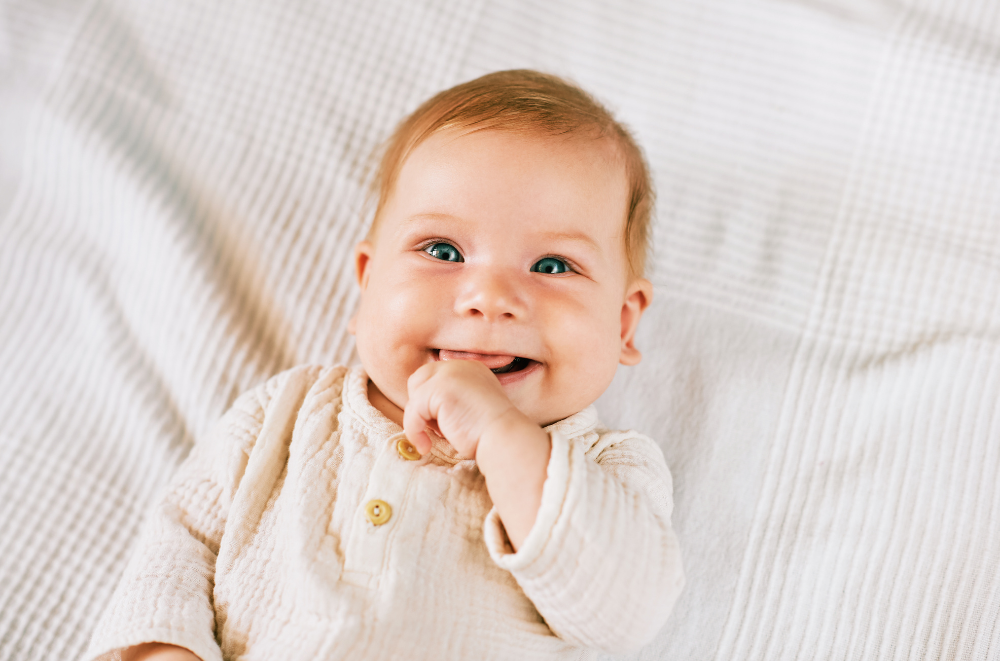
Listen to The Happy Song
Curious to hear it for yourself?
You can listen to The Happy Song by Imogen Heap below, then come back to discover why researchers designed it the way they did—and why so many babies seem to respond to it.
YouTube: The Happy Song by Imogen Heap
The Song We Keep Coming Back To
We don’t play it every day.
In fact, we almost try to save it for the moments when we really need it.
Maybe that’s one reason it still feels special.
Whenever we hear those first few notes, our daughter almost always pauses.
Sometimes the crying stops completely.
Other times she simply becomes curious enough to interrupt the spiral she was heading into.
Either way, it often gives everyone a chance to reset.
What We Notice Every Time
The interesting part isn’t that the crying instantly disappears.
It’s what happens first.
She pauses.
She listens.
Her attention shifts away from whatever upset her.
Her breathing slows.
Within a few moments, she’s looking around instead of crying.
It’s almost as though the music gently interrupts the cycle before it has a chance to build.
After seeing the same pattern so many times, we couldn’t help wondering…
Why this song?
It Was Actually Designed With Babies in Mind
Unlike most children’s songs, The Happy Song wasn’t written by chance.
Imogen Heap worked alongside developmental psychologists at Goldsmiths, University of London, to explore which sounds babies naturally enjoy and respond to.
Nearly 2,300 UK parents were asked what made their babies smile. Animal noises, sneezes, baby laughter and playful vocal sounds came up again and again, so many of them found their way into the final song.
But the researchers didn’t stop there.
Over the next three months, different versions of the music were tested with more than 50 babies at Goldsmiths’ InfantLab. Researchers observed their facial expressions, body movements, vocalisations and even heart rate, gradually refining the song based on how the babies responded.
Imogen Heap also tested early versions with her own daughter throughout the process before the final song was released.
The result wasn’t simply a catchy children’s song.
It was a carefully designed piece of music created to capture babies’ attention and encourage positive emotional responses.
Why It Seems to Work So Well

There’s probably no single reason.
Instead, several small things come together.
A predictable rhythm
Young children find predictable rhythms reassuring.
When everything else feels overwhelming, steady patterns can help their nervous system settle.
Familiar, playful sounds
The song is full of exaggerated voices, playful noises and gentle surprises.
Rather than feeling overwhelming, they seem to keep children curious enough to stay engaged.
Positive associations
After hearing it during comforting moments, many children begin to associate the song with feeling safe.
Eventually, simply hearing the opening notes may help them settle more quickly.
That’s certainly what we’ve noticed in our own house.
When We Find It Most Helpful
This isn’t something we rely on every day.
But we often come back to it during:
- long car journeys
- difficult transitions
- overtired evenings
- waiting rooms
- those moments when nothing else seems to distract them
Sometimes it works brilliantly.
Sometimes it doesn’t.
Like everything in parenting, it depends on the day—and on the child.
It’s Not Really About This Particular Song
Would we rely on one song to solve every meltdown?
Of course not.
Sometimes toddlers are hungry.
Sometimes they’re exhausted.
Sometimes they simply need a cuddle.
But as one tool among many, this is the one we’ve found ourselves coming back to more than any other.
The Bigger Picture
Maybe The Happy Song won’t become your family’s magic song.
Maybe it’ll be something completely different.
The interesting part isn’t the music itself.
It’s seeing how powerfully young children respond to things that feel familiar, predictable and safe.
Sometimes the smallest things really do make the biggest difference.
You Might Also Find Helpful