Things to Do Before Baby Arrives: The Practical Checklist Nobody Thinks About
You’ve bought the sleepsuits, chosen the car seat and probably have a growing pile of nappies somewhere. But some of the most useful things to do before a baby arrives have very little to do with buying baby stuff.
There are the small practical jobs that are incredibly easy to overlook: knowing exactly where to go if labour starts at 2am, filling the freezer with food you’ll actually want to eat, sorting repeat prescriptions, deciding who will feed the cat if you’re unexpectedly kept in hospital, and putting the things you’ll need at 3am somewhere you can reach them.
None of these jobs is particularly exciting. But having been through those first days with a newborn, they’re the things I’d prioritise just as much as getting the nursery ready.
So this isn’t another newborn shopping list. It’s a practical things to do before baby arrives checklist for the bits that are much easier to sort now than when you’re sleep-deprived, recovering from birth and looking after a brand-new baby.

1. Make a Flexible Birth Plan
Rather than trying to plan exactly how birth will unfold, write down the things that matter most to you: pain relief preferences, who you want with you, birth positions, skin-to-skin, cord clamping and feeding. It can also be useful to think through a few “what if” scenarios — particularly induction, assisted birth and C-section — so you’re not hearing about every option for the first time during labour.
2. Pack Your Hospital Bag — and a Backup Bag
Aim to have your main bags ready around three weeks before your due date. Rather than one enormous suitcase, separate the things you’ll need during labour from everything you’ll need afterwards, and keep additional clothes, nappies and maternity supplies in a backup bag at home or in the car.
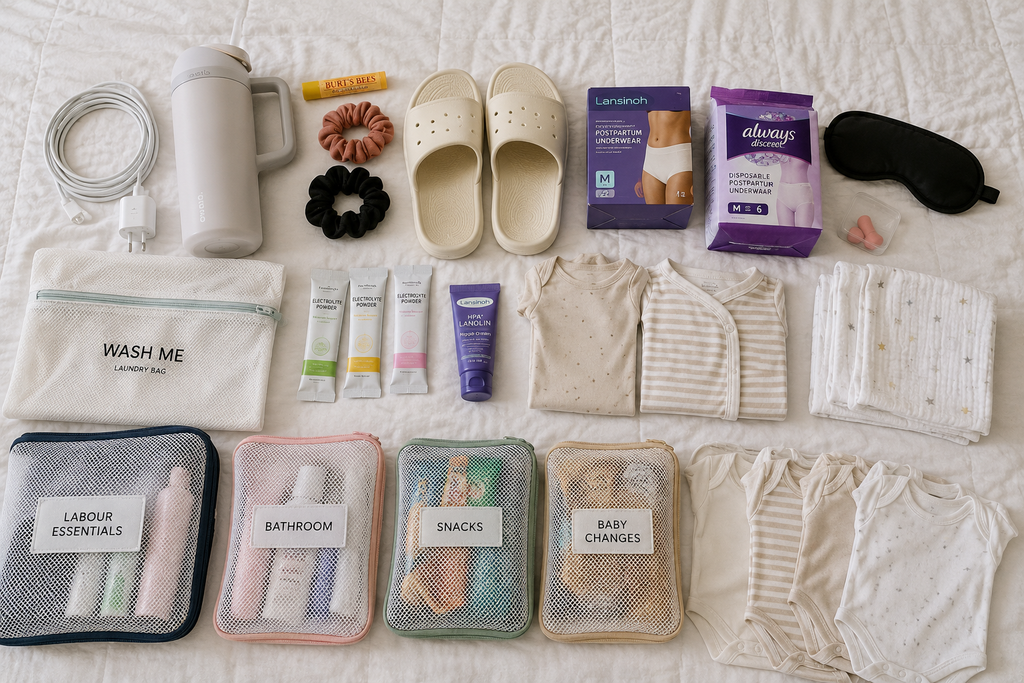
If you’re not sure what actually deserves space in your bag, my Realistic UK Hospital Bag Checklist – Essentials, Extras & What to Skip covers the NHS essentials, the extras I genuinely found useful and the things you can probably leave at home — with a free editable and printable checklist too.
3. Install the Car Seat Before You Need It
Don’t leave the car seat boxed up until labour starts. Install it, understand how the harness works and make sure both parents or anyone likely to collect you from hospital knows how to use it. It is much easier to learn without a newborn waiting to go home.
If you haven’t chosen yours yet, our Best Infant Car Seats from Birth (UK): Expert Picks for 2026 compares newborn-friendly options and what to look for when choosing one.
4. Prepare One Safe Sleep Space
You don’t need an elaborate nursery ready for day one. Your newborn needs a clear, flat, separate sleep space in the same room as you, with a firm, flat mattress and no unnecessary bedding or accessories. Concentrate on getting the place baby will actually sleep initially ready rather than finishing an entire nursery.
5. Create a Night-Time Baby Station
This is something I’d put quite high on the list. Put nappies, wipes/cotton wool, muslins, spare sleepsuits and anything you’ll regularly need overnight within easy reach. If you have two floors, consider keeping a smaller duplicate changing kit downstairs.
The aim isn’t an Instagram-worthy changing station. It’s avoiding a 3am hunt for a clean vest.
For a practical rundown of what is genuinely useful from day one, see Preparing for a Newborn: Baby Essentials You’ll Use in the First Weeks.
6. Wash Some Baby Clothes — Not Everything
Wash enough newborn and 0–3 month basics to get started, but consider leaving labels on unused extras until you know their size. Babies don’t necessarily arrive at their predicted weight, and they can move through the smallest sizes surprisingly quickly.
7. Stock the House for the Adults
Think toilet roll, toothpaste, shampoo, washing-up tablets, laundry detergent, bin bags, pet food, coffee/tea and other things you routinely run out of.
You’re not preparing for an apocalypse. You’re simply buying yourself a couple of weeks in which running out of dishwasher tablets isn’t another job.
8. Batch Cook — But Include Food You Can Eat With One Hand
Freezer meals are useful, but don’t make twenty casseroles and call it done. Stock easy breakfasts, snacks and lunches too. Think food you can grab quickly or eat one-handed while holding or feeding a baby.
I’d also make sure there are a few things you genuinely enjoy eating rather than turning your freezer into a nutritional optimisation project.
9. Set Up Online Grocery Shopping
This is a tiny job that could make a surprisingly big difference. Make sure you have an account with a supermarket that delivers to your area, save your address and payment details and perhaps create a favourites list of the things you buy every week.
Then a grocery order during the newborn fog takes minutes rather than starting from scratch.
10. Stock Your Own Postpartum Supplies
Preparing for the baby is only half the job. Have maternity pads, comfortable high-waisted underwear, pain relief you’re advised is suitable, toiletries and any feeding supplies you expect to use ready at home.
If you’re having a planned C-section, think particularly about clothing that won’t sit across the incision and arranging frequently used things so you don’t need to bend or stretch unnecessarily.
11. Put Recovery Essentials Where You’ll Actually Use Them
Don’t leave everything beautifully organised in an upstairs cupboard. A water bottle, charger, snacks, muslins and other frequently used items beside the places you’re most likely to feed or sit can make the first few days noticeably easier.
A little basket or caddy downstairs can save dozens of unnecessary trips upstairs.
12. Sort Out Prescriptions and Regular Medication
If you take regular medication, check that you have enough to get through the first few weeks and order repeat prescriptions before your due date where appropriate.
It’s a boring job — which is precisely why it’s worth doing before the baby arrives.
13. Get the Laundry Under Control
You don’t need an immaculate house. But starting the newborn period without three overflowing laundry baskets is helpful.
Wash your bedding, towels and the baby’s first clothes, empty the laundry baskets and put everything away. You’ll be generating quite enough washing shortly.
14. Do a Basic House Reset — Then Stop
Clean the bathroom, change the bedding, empty the bins and get the kitchen reasonably under control. If you can afford a cleaner, the final weeks of pregnancy or shortly after birth are particularly good times to use one.
There is no need to deep-clean every cupboard because you’re having a baby.
15. Decide Who Will Look After Pets
If you go into hospital unexpectedly or stay longer than planned, who feeds the cat, walks the dog or looks after other animals? Give that person a key and instructions before labour begins.
16. Make Plans for Older Children
For second-time parents, this deserves its own point. Decide who can collect children from nursery/school, where they’ll sleep if you’re in hospital overnight and who is the backup if your first-choice person isn’t available.
Pack anything they’ll need too.
17. Decide Your Visitor Policy Before You’re Exhausted
Talk with your partner about visitors before the baby arrives. Do you want grandparents immediately? A couple of quiet days first? Are you happy for people to turn up spontaneously?
You don’t need rigid rules, but agreeing on expectations beforehand is easier than negotiating them while exhausted and recovering from birth.
18. Create a Small “People We Can Call” List
Identify the people you could genuinely ask for practical help — not just people who want to cuddle the baby.
Who could bring dinner? Pick something up from the chemist? Walk the dog? Take an older child out for an afternoon?
You may never need the list. But it’s useful to know who your people are.
19. Sort Out Maternity/Parental Leave and Benefits
Confirm maternity, paternity or shared parental leave arrangements and make sure the necessary paperwork has been submitted. Check the current eligibility rules for Statutory Maternity Pay, Maternity Allowance, Child Benefit and any other support that may apply to your household.
See Maternity Pay and Leave – GOV.UK
See: Holidays, time off, sick leave, maternity and paternity leave – GOV.UK
20. Look at Your Household Budget
You don’t need to predict exactly what a baby will cost. Instead, work out what your household income will actually be during parental leave and identify any months where income drops substantially.
Check recurring subscriptions and expenses now, and leave some room for unexpected purchases once you discover what your particular baby actually needs.
21. Put Important Numbers and Information Somewhere Accessible
Save your maternity assessment/triage number and hospital details in both parents’ phones. Make sure your birth partner knows where your maternity notes are and where you’re supposed to go when labour starts.
This sounds absurdly obvious until you’re trying to find a telephone number between contractions.
22. Do the Hospital Journey Once
Know which entrance you need, where maternity triage is and where you’ll park — including what happens if you arrive overnight.
This is particularly worthwhile if your hospital is large or you’ve only ever attended daytime antenatal appointments.

Some sites have specific 20-minute emergency pull-in spots, while others share drop-off zones with the main entrance or A&E. If parking isn’t close to maternity, a practical option is for your birth partner to drop the labouring person and bags at the maternity entrance before going to park in a standard visitor space.
23. Learn the Basics of Feeding Before Baby Arrives
You don’t need to become an expert. But understanding what the first feeds can look like, newborn feeding cues, where to get breastfeeding support if you want it, and current NHS guidance on safely preparing formula if you plan to formula feed gives you a useful foundation.
Most importantly, save the details of where you’ll get help if feeding isn’t going well.
24. Learn What Normal Newborn Behaviour Actually Looks Like
Read about the things that often surprise first-time parents: very frequent feeding, day/night confusion, noisy newborn sleep, cluster feeding, meconium, normal nappy output and just how much newborns may want to be held.
If you’re having a girl, add newborn vaginal bleeding (sometimes called a mini-period or pseudomenstruation) to that list. We had a girl and had absolutely no idea this could happen. When we saw blood in her nappy, we were understandably alarmed and ended up spending our second day with our newborn in A&E, only to discover that it can be a normal response to maternal hormones after birth.
Obviously, blood in a newborn’s nappy should never simply be assumed to be harmless — if you’re unsure where it’s coming from or you’re concerned, contact your midwife or seek medical advice. But I really wish we’d known beforehand that this was something we might see.
You can’t prepare your baby for newborn life — but you can make it considerably less surprising for yourself.
25. Learn the Important Postnatal Warning Signs
Know how to contact your maternity unit after discharge and which symptoms in you or your baby warrant urgent medical advice.
Your maternity team should explain what to look out for before discharge; keep their postnatal contact details somewhere easy to find and use NHS guidance if you’re unsure.
26. Attend Antenatal Classes — But Don’t Panic If You Haven’t
Classes can help with labour, feeding, newborn care and meeting other parents. NHS/local classes and organisations such as NCT are options, but they’re not another box you have to tick to be “prepared.”
27. Make a “Last-Minute Before Hospital” List
Some things can’t live permanently inside the hospital bag: phone, glasses, medication, toothbrush, perhaps your everyday charger.
Put the list somewhere both you and your birth partner can see it. When it’s time to leave, one person can simply work down it.
We’ve included a last-minute sweep in our downloadable Realistic UK Hospital Bag Checklist – Essentials, Extras & What to Skip, alongside the full hospital bag checklist, so you can have everything ready in one place.
28. Take Care of the Administrative Jobs You Can Do Now
Make sure important addresses, contact information and employment details are easy to find. Understand what will need doing after the birth — such as registering the birth and claiming Child Benefit — without trying to complete things that can’t actually be done until baby arrives.
29. Have a Loose Plan for the First Few Days Home
Not a newborn “routine”. Just practicalities.
Where will baby sleep? Where will you change them? Who will cook? Who will shop? What happens if you’re recovering more slowly than expected? Who can help?
That little conversation is probably more useful than designing a feeding-and-sleep schedule for a baby you’ve never met.
30. Stop Preparing
There will always be another drawer you could organise, another baby product you could research and another freezer meal you could make. At some point, you’re prepared enough.
Use some of the final weeks to do things that become harder with a newborn: go for lunch, watch a film uninterrupted, spend time with your partner, see friends, sleep when you’re able, or simply do absolutely nothing.
You Don’t Need to Have Everything Perfect
There will always be something you forgot, didn’t buy or didn’t get around to doing — and that’s completely fine. Get the important things in place, make life a little easier for those first few weeks, and leave the rest.
Your baby doesn’t need a perfectly prepared home. They just need you.
You Might Also Find Helpful