Preparing for a Newborn: Baby Essentials You’ll Use in the First Weeks
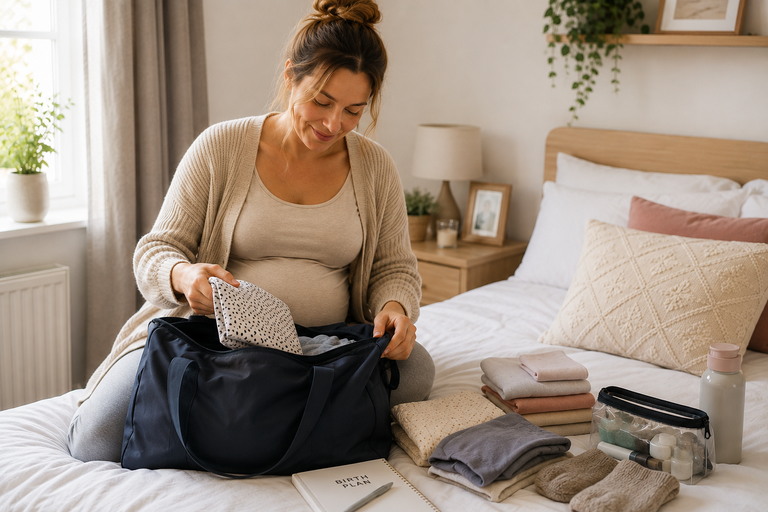
As your due date gets closer, it can feel as though you need an endless list of baby products before your newborn arrives.
Prams, swings, changing stations, sterilising gadgets, nursery furniture, feeding accessories, and countless “must-have” items quickly start filling shopping baskets and baby registries.
But one of the biggest surprises of the newborn stage is how little you actually use in those first few weeks.
Most parents reach for the same handful of essentials again and again: something for feeding, somewhere safe for baby to sleep, nappies, muslins, and a few practical items that make everyday care easier.
This guide focuses on the newborn essentials we found genuinely useful during the early weeks, along with a few optional items that can make life easier depending on your family’s routines. The goal isn’t to buy more. It’s to start with less and add only what you actually need.

Disclaimer: This post contains affiliate links. As an Amazon Associate I earn from qualifying purchases at no extra cost to you.
Everyday Care Essentials
In the newborn stage, care is gentle, repetitive, and led by you.
These are the items you’ll likely reach for multiple times a day.
Muslin Cloths
If there was one item we underestimated before our daughter arrived, it was muslin cloths. We bought a few and quickly wished we’d bought more.
Whether you’re feeding, cleaning up spills or wiping little faces, they quickly become part of almost every routine.
We found bamboo muslins especially useful because they stayed soft after repeated washing and dried quickly between uses.

Baby Wipes & Nappies
While many routines at home can be done with cloth and water, wipes are often helpful when you need something quick — especially when out or during nappy changes.
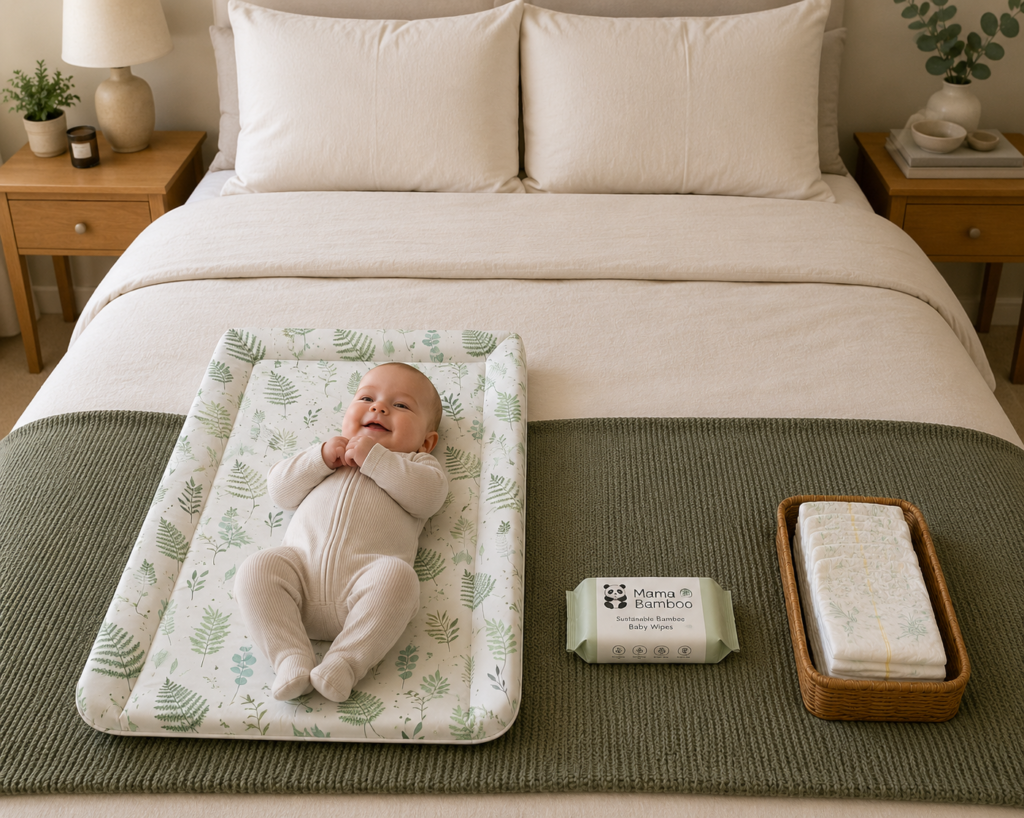
Some families choose gentler options like Mama Bamboo Sustainable Bamboo Baby Wipes and matching nappies, designed with plant-based materials and a high water content.
Used alongside cloth-based routines, they can offer a practical balance between simplicity and convenience.
Lanolin Cream
If there’s one product I recommend to almost every new parent, it’s a tube of pure lanolin cream.
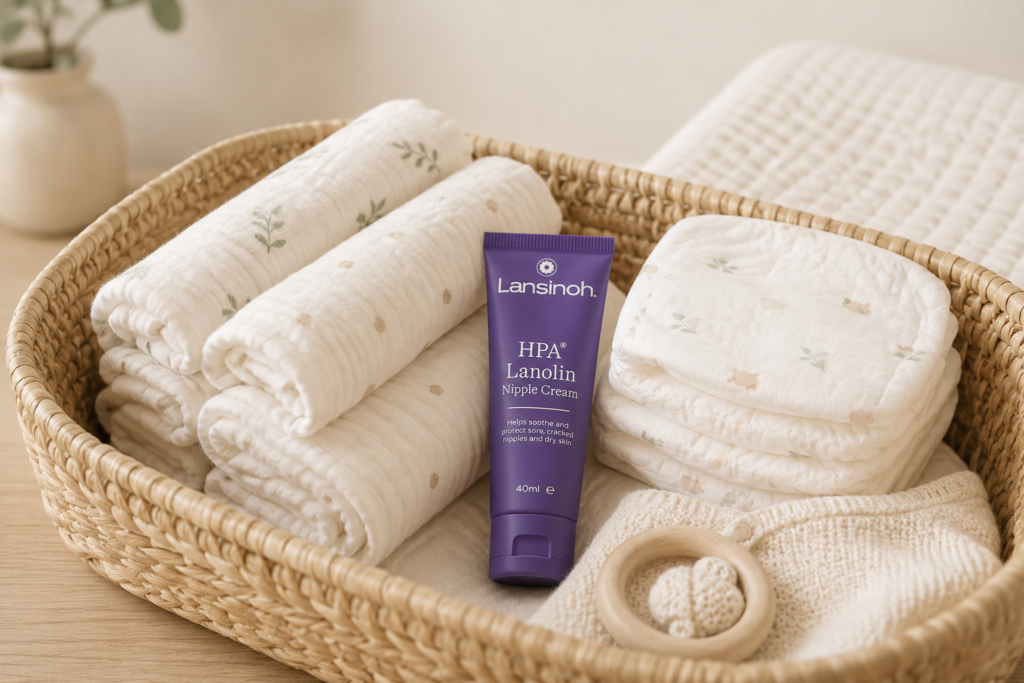
I originally bought Lansinoh HPA Lanolin to soothe sore nipples during the early weeks of breastfeeding. What I didn’t expect was how often we ended up using it for our daughter too.
At the first sign of redness during a nappy change, we’d apply a very thin layer, and it became part of our routine throughout the newborn months. Whether it was the lanolin itself, changing nappies frequently, or a combination of both, we were incredibly lucky—our daughter never developed a significant nappy rash.
The best part was how little we needed each time. A tiny amount spreads surprisingly far, and the same 40 ml tube lasted us for almost a year.
I wouldn’t describe it as an essential for every family, but it was easily one of the most-used items in our newborn drawer—and one we’d happily buy again.
Changing mat
For the newborn stage, a simple portable changing mat is often more practical than a full changing station. It can easily be placed on the bed, moved between rooms, or tucked neatly underneath a bedside crib when not in use — keeping everything accessible without filling the room with bulky nursery furniture.
From a Montessori perspective, this kind of setup also helps maintain a calmer, more minimal environment. Rather than dedicating a large piece of furniture solely to changing, many families prefer to keep the space open, flexible, and focused only on what they genuinely use day to day.
Feeding Support
Feeding looks different for every family, and it’s usually not something you need to overprepare for before your baby arrives.
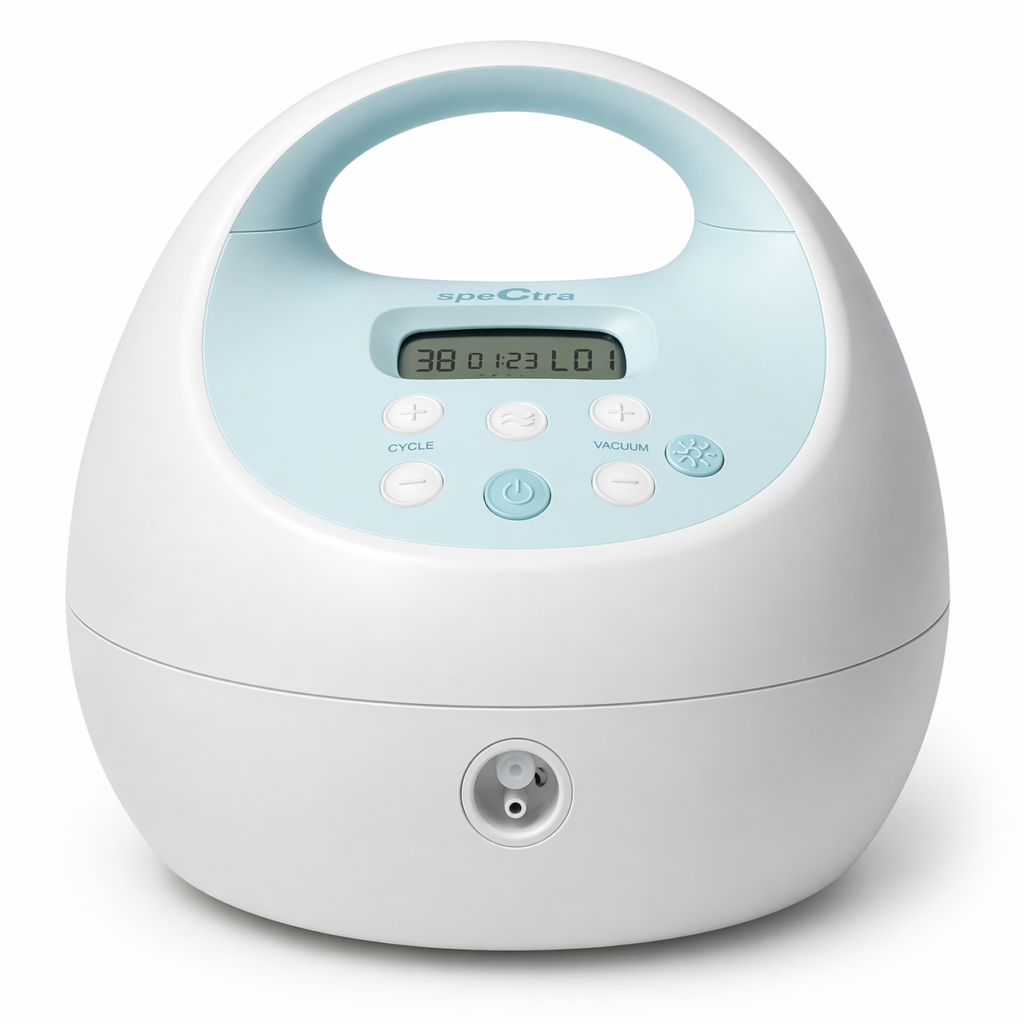
Even if you’re planning to breastfeed, some parents find having a pump helpful in the early weeks — not necessarily for building a feeding routine, but simply for relieving fullness or discomfort when milk first comes in.
I initially tried a manual pump, but found it tiring and time-consuming during those already demanding newborn days. Switching to an electric option made things feel noticeably easier and more practical.
If you’re considering one, the Spectra S1 Plus is a popular option for regular pumping and longer-term use. If you’re only planning to pump occasionally or as needed, we also think the MAM 2-in-1 Single Electric Breast Pump is worth considering. The option to switch between electric and manual pumping makes it a practical, flexible choice if you don’t expect to be expressing every day.
If you’re trying to minimise plastic exposure, it’s also worth knowing that the Spectra S1 is commonly used with Philips Avent glass bottles, allowing milk to be pumped directly into the bottle you’ll later use for feeding.
See Spectra S1 Plus price & reviews
Sleep & Comfort
Sleepsuits & Baby Vests (You’ll Change More Than You Expect)
You’ll probably go through far more clothes than you expect during those first few weeks.
Between milk spit-up, nappy leaks and those unforgettable meconium blowouts, it’s completely normal to change your baby’s outfit several times a day.
We found it helpful to have a good supply of:
- Long-sleeve bodysuits (vests) for cooler days
- Short-sleeve bodysuits for layering under sleepsuits or warmer weather
- Zip-up sleepsuits, which quickly became our everyday favourite
If you’re buying sleepsuits, we’d choose zips over poppers every time. During middle-of-the-night nappy changes, especially when you’re exhausted, one zip is simply quicker and far less fiddly than fastening a row of poppers in the dark.
One thing we didn’t expect was just how little our daughter wore her cute newborn outfits. We kept reaching for the same soft zip-up sleepsuits because they were comfortable, practical and made those frequent outfit changes much easier.
We’d also think twice before spending too much on fashionable newborn clothes. As lovely as they look, the first few weeks are wonderfully messy. Meconium stains, milk spills and frequent nappy leaks mean many outfits end up straight in the wash after just one wear.
Simple, soft basics are usually the clothes you’ll reach for again and again.
Bedside Crib
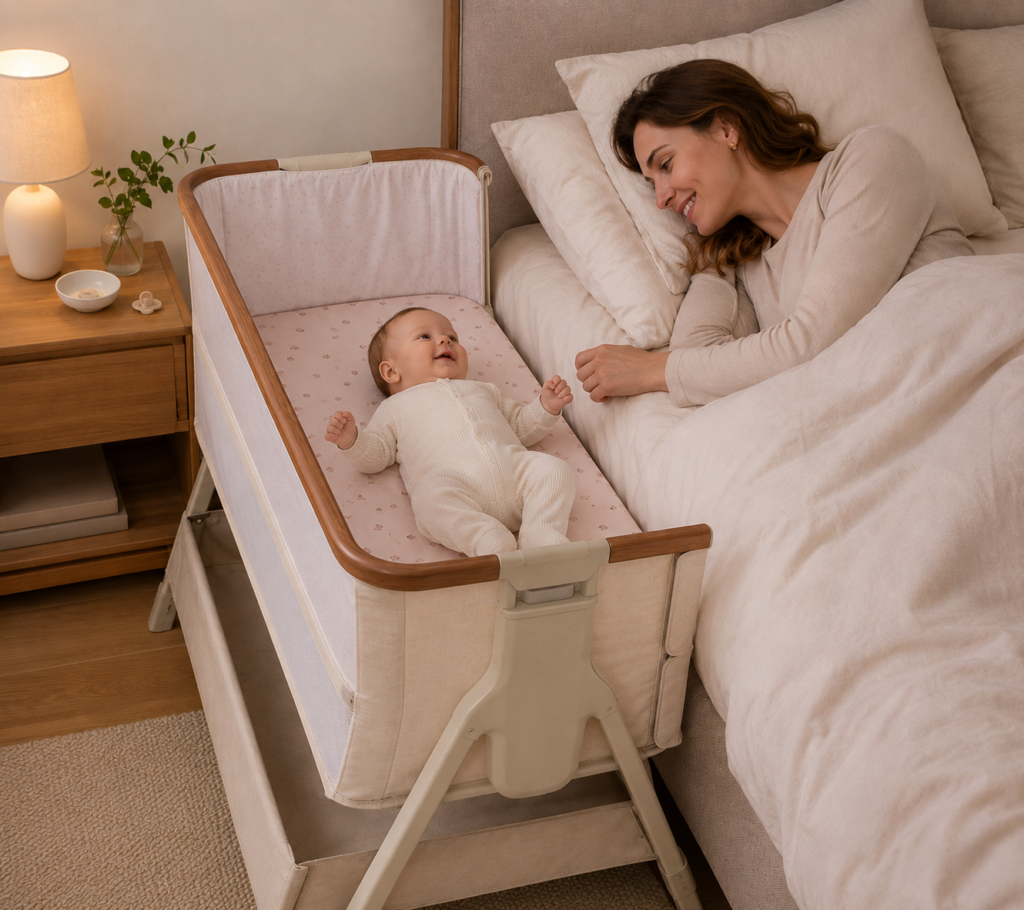
For families planning to room-share during the newborn stage, a bedside crib like the CoZee Breeze can make nights feel simpler and more connected without adding unnecessary complexity to the room. The breathable mesh sides support airflow and visibility, while the adjustable height allows it to sit neatly alongside the bed for easier feeds and settling during the early months.
This is the setup we used ourselves for the first six months. Having our daughter beside us made night feeds and wake-ups much easier, while still giving her a separate sleep space. Once she outgrew the bedside crib, we transitioned to a Montessori floor bed in her own room, which felt like a natural next step rather than a major change. If you’re considering a similar transition, you may find our guide to Calm Montessori Bedroom Setup for Newborns helpful.
What makes this style of setup especially practical is its flexibility. It can be used as a bedside sleeper or as a standalone bassinet during the day, and the lightweight frame with built-in castors makes it easier to move between rooms when needed. The overall design feels calm, minimal and functional — focusing on closeness and accessibility rather than bulky nursery equipment.
View Tutti Bambini Bedide Crib
Swaddle or a simple cellular blanket
For newborn sleep, NHS guidance recommends avoiding loose bedding or coverings in the cot due to the increased risk of overheating and SIDS. In the early weeks, many parents choose either a simple muslin swaddle or a lightweight cellular blanket wrapped securely around the baby — similar to the approach commonly used in UK maternity wards.
The goal is not to create a heavily layered sleep setup, but to keep your baby warm, secure, and comfortably dressed while maintaining a safe sleep environment.
For many parents, this is where muslin swaddles or lightweight cellular blankets become part of the newborn routine. Both can help create a secure, comforting sleep environment while still keeping the setup simple, breathable, and suitable for the early weeks.

Many UK hospitals also use lightweight cellular blankets during the newborn stage, wrapped securely around the baby to create a simple, breathable sleep setup that stays warm without relying on loose bedding.
View Organic Cotton Cellular Blanket

If you’re planning your baby’s space, you may also find A Calm Montessori Bedroom Setup for Newborns helpful.
Many families explore different sleep arrangements — including co-sleeping. You can read more about it here: Co-Sleeping With a Baby: Bedsharing Safety Guide for New Parents
What Can Wait
One of the biggest surprises of the newborn stage is how little you actually need at the beginning.
Many purchases that feel urgent before birth can often wait until you understand your baby’s routines and preferences a little better.
For many families, these include:
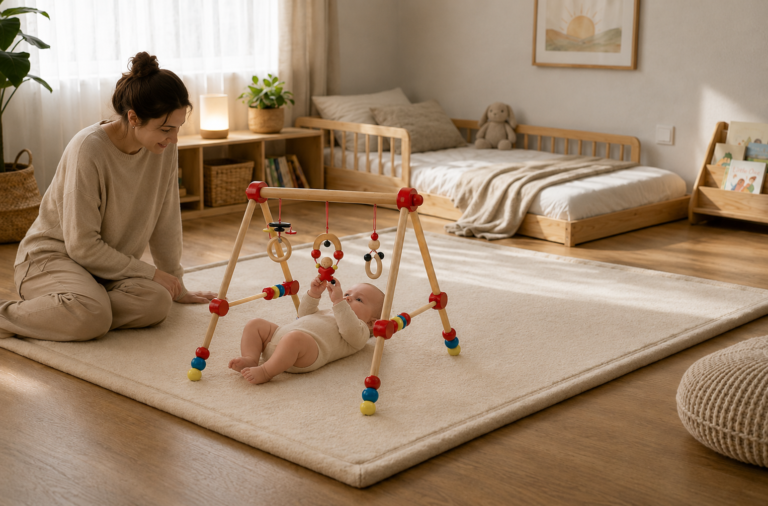
- Play gyms and activity centres
- Developmental toys
- Large toy collections
- Elaborate nursery furniture
- Storage systems and organisers
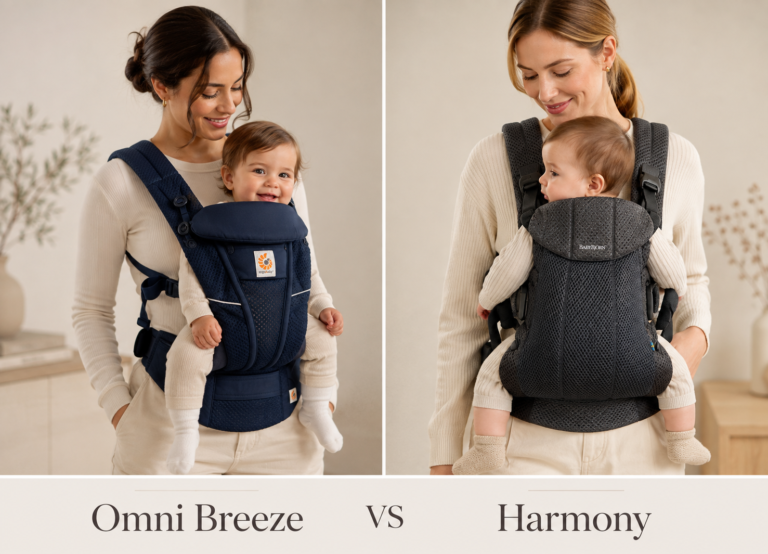
- A baby carrier (if you’re unsure which one to buy)
We found our baby carrier incredibly useful for walks, airport trips and the days our daughter simply wanted to be held—but it wasn’t something we needed from day one. Waiting a few weeks gave us time to choose the one that genuinely suited our family. If you’re comparing options, see our guide to the Best Baby Carriers for Newborns (UK).
If you’re unsure about a purchase, ask yourself:
“Will I use this in the first few weeks?“
If the answer is no, it can probably wait.
For a more detailed breakdown of what can safely stay off your shopping list for now — and what becomes useful later — see → What You Don’t Need for a Newborn (And When You Actually Will)
Starting simple often saves money, reduces clutter and gives you space to discover what your baby actually needs before filling your home with things you may never use.
If You’re Unsure Where to Start
If you’re preparing for your baby and want to keep things simple, start with:
✓ muslin cloths
✓ a few larger muslins (swaddles)
✓ gentle wipes and nappies
✓ one optional feeding support item
These alone will support most of your daily routines.
If you’re still deciding what you may need, creating a simple wishlist can help you keep track of items without buying everything upfront.
By this point, you may have noticed a pattern: most newborn essentials are not specialised baby products at all. They’re simply practical items that make feeding, changing, sleeping and daily care a little easier.
Final Thoughts
You do not need everything before your baby arrives.
Most newborn routines are built around a surprisingly small number of practical items used again and again.
Starting simple gives you space to figure out what actually works for your baby, your routines, and your home — without filling it with unnecessary products from the beginning.
In the early days, it’s not about having more.
It’s about having what you’ll actually use.
FAQs
What do you actually need for a newborn?
Most newborns need surprisingly little in the beginning.
The essentials usually include nappies, muslin cloths, a safe sleep space, a few sleepsuits and vests, feeding essentials, and basic changing supplies. While newborn shopping lists can seem endless, many products marketed as “must-haves” are not immediately necessary.
What should I buy before my baby arrives?
Focus on the items you’ll use from day one rather than trying to prepare for every stage in advance.
For most families, that means nappies, wipes, muslins, a safe place for baby to sleep, a few basic clothing essentials, and any feeding items you expect to need. Many other purchases can wait until you know your baby’s routines and preferences.
How many muslin cloths do I need for a newborn?
Most parents end up using muslin cloths constantly throughout the newborn stage.
Starting with around 6–10 muslins is usually enough. They’re useful for feeding, winding, wiping up spills, bath time, and countless other everyday tasks.
Do newborns need toys?
Not usually.
During the first few weeks, newborns benefit most from feeding, sleep, cuddles, and simple interaction with their caregivers. High-contrast cards or black-and-white images can be introduced later as babies become more alert, but toys are rarely an essential newborn purchase.
Do I need a changing table for a newborn?
Not necessarily.
Many families find that a simple portable changing mat works perfectly well during the early weeks. It can be moved between rooms, stored easily, and takes up far less space than a dedicated changing station.
Do I need a baby bath?
Not necessarily.
Many parents use a sink, bowl, or regular bath in the beginning. Dedicated baby baths can be useful, but they’re rarely something you need before your baby arrives.
Is it better to wait before buying lots of baby products?
In many cases, yes.
One of the biggest surprises of the newborn stage is how little you actually use at first. Starting with a small number of practical essentials often saves money, reduces clutter, and makes it easier to buy additional items based on your baby’s actual needs rather than guesswork.
What are the most used newborn essentials?
For many families, the most-used newborn essentials are surprisingly simple:
- muslin cloths
- nappies and wipes
- sleepsuits and vests
- feeding essentials
- a safe sleep space
- a simple changing setup
These everyday basics tend to be used far more often than specialised gadgets or large nursery purchases.
You Might Also Find Helpful