Quiet Time Ideas for Toddlers Who Won’t Nap (Screen-Free)
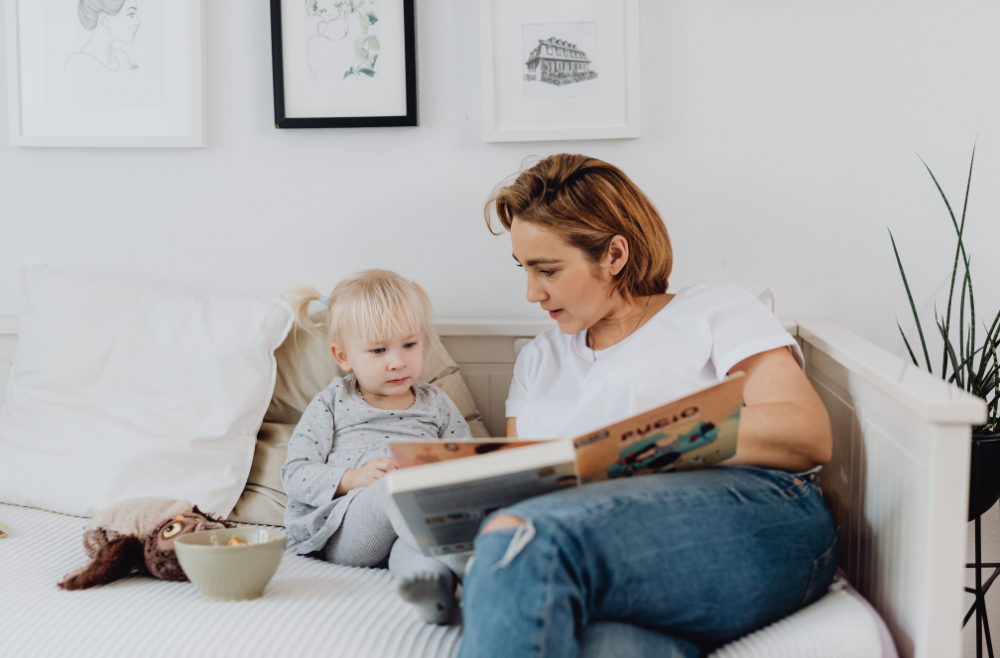
Quiet time ideas for toddlers who won’t nap — simple, screen-free ways to help your child rest, reset, and play independently using books, calm activities, and a gentle routine.
Gentle, developmentally informed support for toddler sleep, bedtime resistance, daily rhythms, and transitions. Learn how predictable routines and calm boundaries help children feel secure and ready for rest.

Quiet time ideas for toddlers who won’t nap — simple, screen-free ways to help your child rest, reset, and play independently using books, calm activities, and a gentle routine.

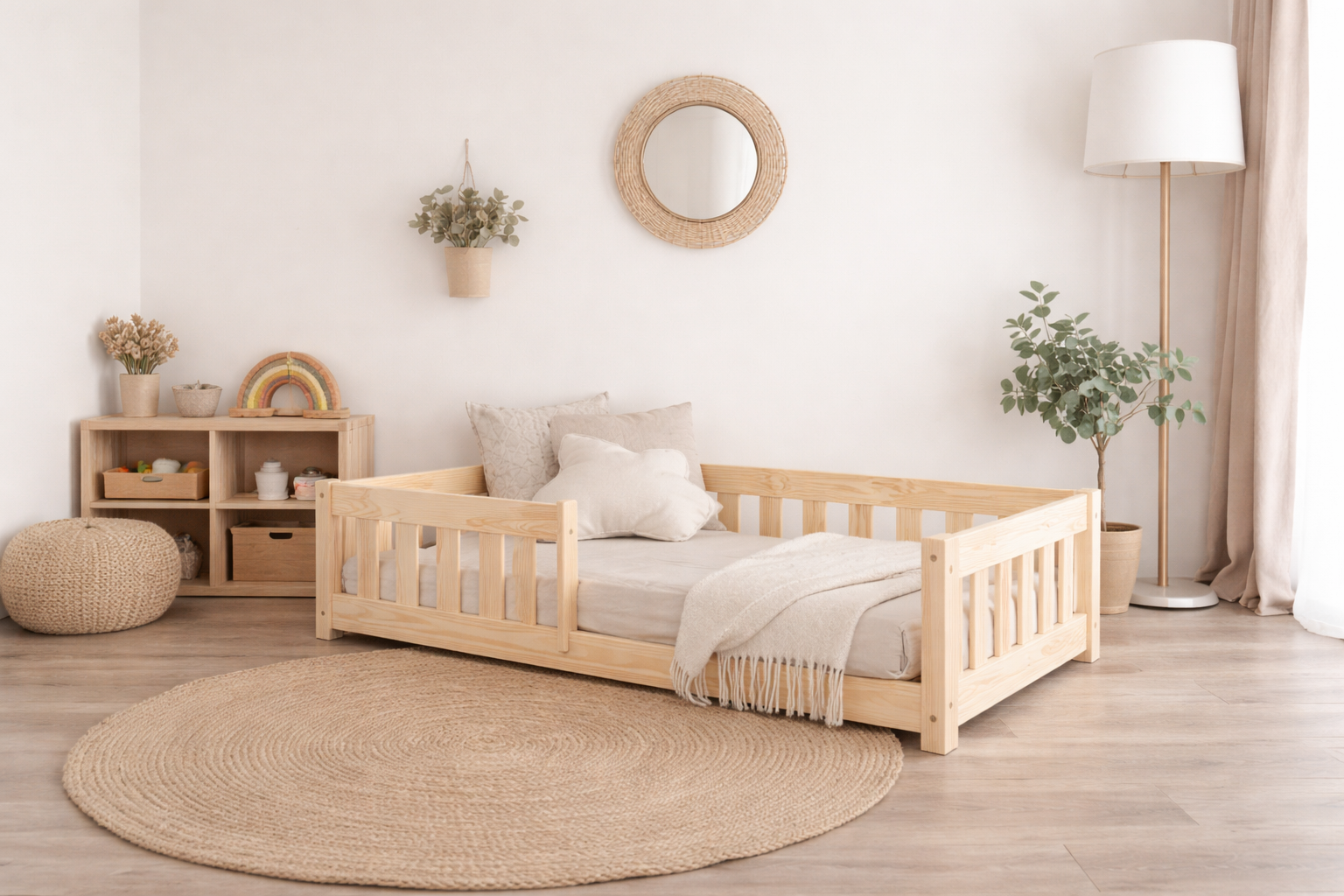
Looking for the best floor beds for toddlers in the UK? This guide covers simple, safe Montessori options that support independence and make bedtime feel calmer and easier.

Transitions can be hard for toddlers. A visual timer makes time easier to understand—helping reduce resistance and create calmer routines.

If your 2 year old wakes up crying and says no to everything, it can feel confusing and intense. Here’s what’s really happening — and how to respond calmly.

If your 6 month old suddenly won’t sleep through the night, this is very common. Here’s what’s changing, what’s normal, and what actually helps.

A Montessori toddler daily routine helps children feel calm, secure, and independent. Learn how to create a simple daily rhythm that works for toddlers aged 1–3 years.

Co sleeping with a baby is more common than many parents expect. Learn what NHS guidance and research say about bedsharing, safer sleep environments, and nighttime feeding.

Designing a Montessori bedroom for 12–18 months? The most common mistake isn’t what you think — and it can actually increase tantrums, overwhelm, and sleep struggles.

Is your 18 month old hyper before bed instead of sleepy? Learn why toddlers often get wired at night, what overtiredness really looks like, and calm, practical strategies to make bedtime easier.

Designing a Montessori bedroom for a toddler isn’t about aesthetics — it’s about creating a space that supports independence, calm, and better sleep. Here’s what actually works for 1–3 year olds.