A Realistic UK Hospital Bag Checklist: Essentials, Extras & What to Skip
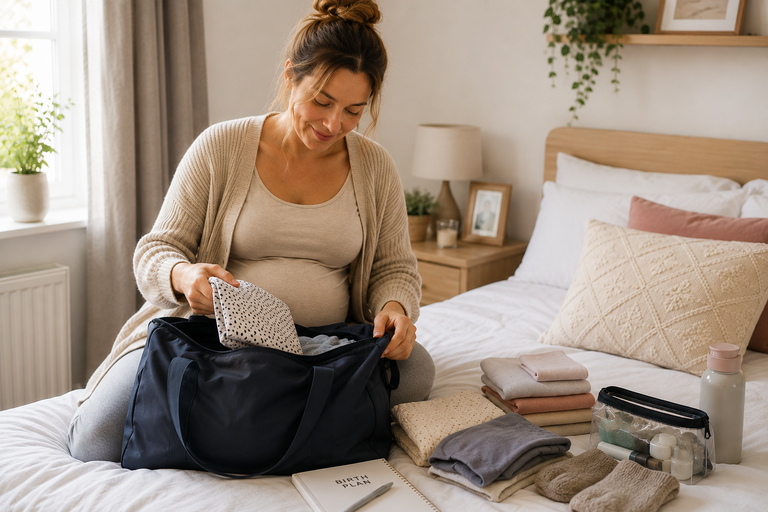
Packing your hospital bag should be one of the simpler jobs on your pregnancy to-do list. A few baby grows, comfortable clothes, toiletries. Done. Right?
Then you Google what to pack in a hospital bag for birth in the UK, and suddenly you’re wondering whether you need three bags, your own towels and half the contents of your bathroom.
The NHS hospital bag checklist is an excellent starting point, and I’d absolutely recommend following it. But after packing my own bag and discovering what we actually used on the maternity ward, there are a few things I’d do differently.
Some of the smallest items turned out to be the most useful. Others barely left the bag.
So alongside the essentials, I’m sharing what I’d pack again, what I’d leave at home and a few hospital bag extras I wish I’d known about — plus a free editable checklist to make packing a little easier.
If you’re still getting everything ready beyond the hospital bag, our guide to preparing for a newborn covers the baby essentials you’ll actually use during those first few weeks.
Disclosure: This article contains affiliate links. If you purchase through these links, we may earn a small commission at no extra cost to you. As an Amazon Associate, we earn from qualifying purchases. We only recommend products we genuinely believe offer value to families.
Free Editable UK Hospital Bag Checklist
Want to get straight to packing? I’ve put together a free printable hospital bag checklist covering everything for labour, recovery, your newborn and your birth partner — plus a few easily forgotten essentials.
You can edit it to suit your needs, print it out and tick things off as you go.
Your UK Hospital Bag Checklist
Editable, printable and organised for labour, baby and recovery.
Download Free Checklist →6 Hospital Bag Essentials I’d Buy Again
The NHS checklist covers the basics, but some of the things I found most useful were the little extras. These are six items I’d happily pack again — and most have proved useful long after we came home from hospital.
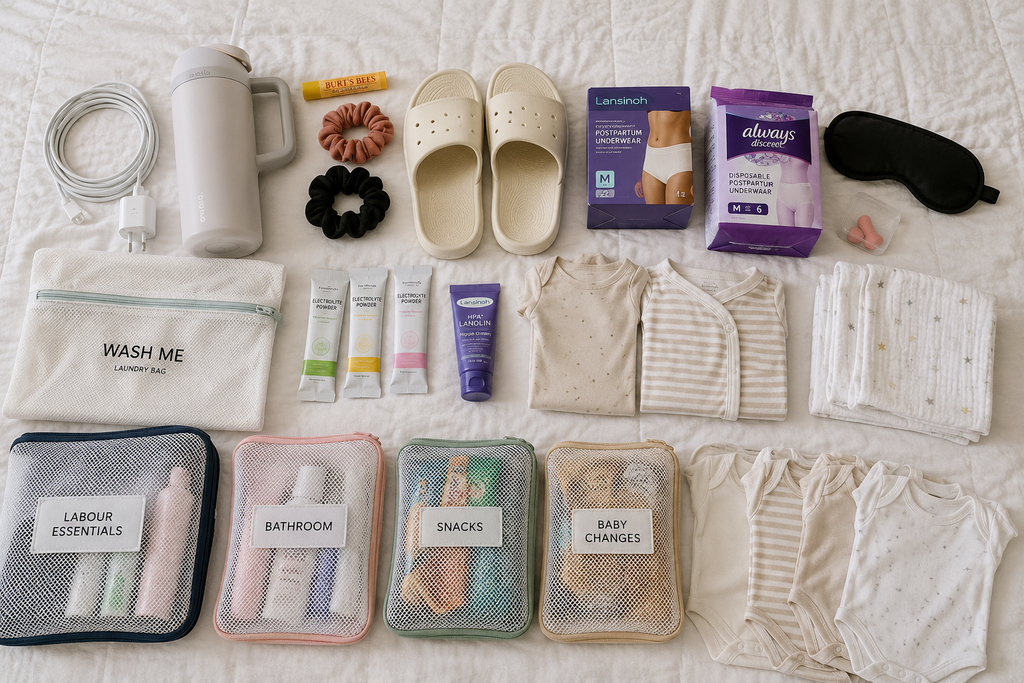
1. Extra-Long Phone Charger
Hospital sockets aren’t always conveniently placed, particularly when you’re stuck in bed. A longer charging cable means you can keep your phone within reach without having to stretch or get up.
Shop extra-long charging cable
2. Large Water Bottle with a Straw
One of those simple things that makes a surprising difference. Being able to drink without sitting upright is particularly handy during labour, while feeding your baby or when you’re recovering in bed.
3. Disposable Postpartum Underwear
I found these particularly useful during the first few days, when bleeding was heaviest. They’re comfortable, convenient and save you worrying about stained underwear or extra washing.
I’d still pack some large, high-waisted cotton knickers for later, particularly if you’re having a C-section.
Shop disposable postpartum underwear
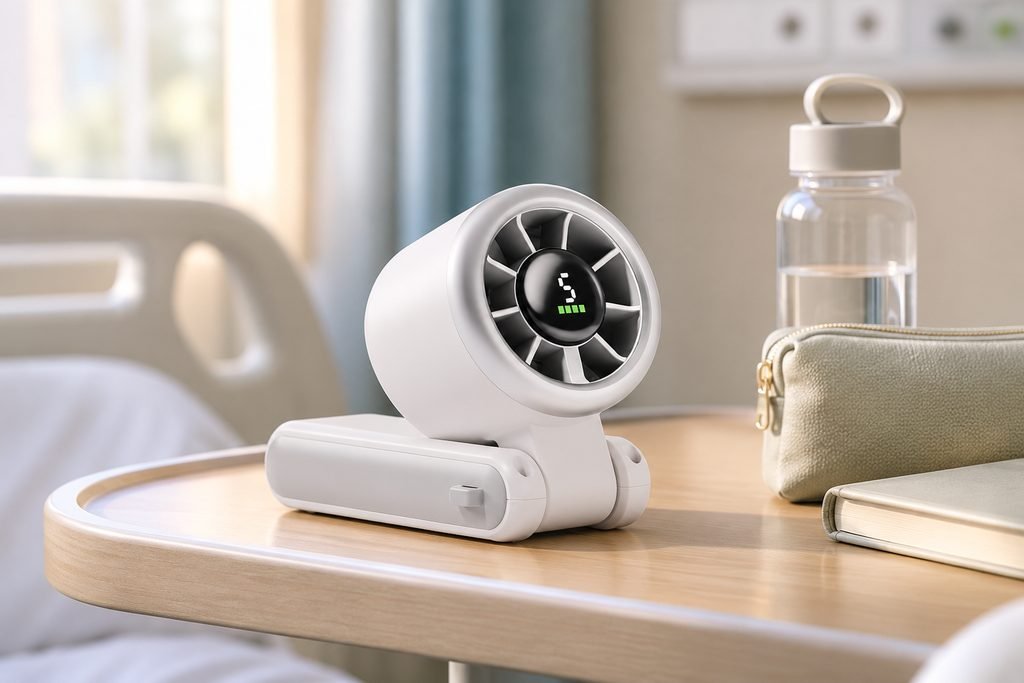
4. Handheld Fan
Maternity wards can get incredibly warm, and a small handheld fan was one of those things I was glad to have.
It’s also one of the few hospital bag purchases we’re still using years later. The same fan now regularly gets used to cool down my daughter’s food!
5. Mesh Packing Pouches
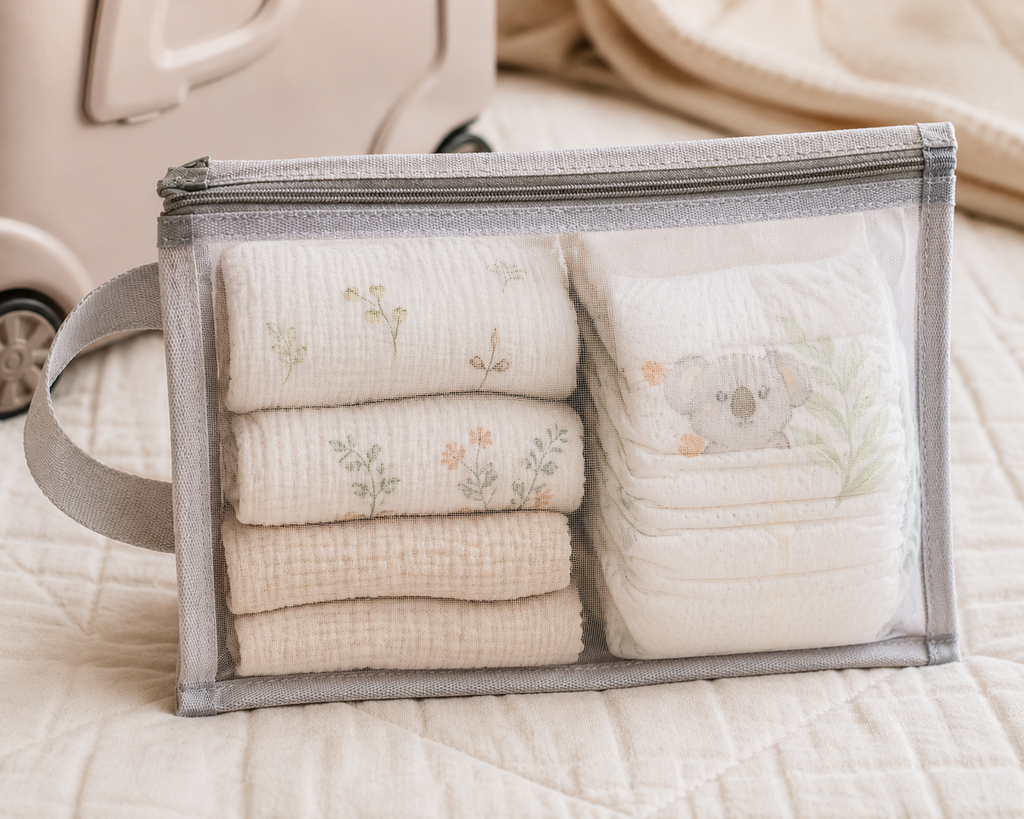
These made organising our hospital bags so much easier. Rather than rummaging through everything, we could grab whichever pouch we needed — labour essentials, snacks, baby clothes or bathroom supplies.
We continued using them for travelling, days out and organising spare clothes and nappies. Definitely not a one-use purchase.
6. Peri Bottle
A peri bottle is particularly useful after a vaginal birth, especially if you’re feeling sore or have stitches. It allows you to gently rinse with warm water after using the toilet, rather than relying on wiping.
It’s a small, inexpensive item that can make those first few bathroom trips more comfortable.
A few extras worth packing:
– Lip balm + hair bobbles — tiny things, but surprisingly useful on a hot, dry maternity ward.
– Washable sliders or Crocs — for the shower and walking around the ward.
– Large, high-waisted post-birth underwear — comfortable after birth and particularly useful after a C-section, as they can sit above the incision rather than rubbing against it. Pair them with good quality maternity pads whether you’ve had a vaginal birth or a C-section, as postpartum bleeding happens after both.
– Eye mask + earplugs — maternity wards can be bright and noisy overnight.
– Dirty-laundry bags that are washing machine-ready — for wet or stained clothes and sending washing home.
– Electrolyte sachets — easy to pack and useful during a long labour.
– Nipple cream if you’re planning to breastfeed — if you’re planning to breastfeed, a small tube of lanolin cream is worth considering. I found Lansinoh particularly useful, and even used a little as a skin barrier during nappy changes. Just check the manufacturer’s instructions before using nipple cream on your baby’s skin, as not all formulations are intended for this purpose.
A quick note on breastfeeding: Nipple cream can help soothe sore skin, but breastfeeding shouldn’t be persistently painful. If you’re experiencing ongoing pain, cracked or damaged nipples, speak to your midwife or a breastfeeding specialist. Sometimes a small adjustment to your baby’s latch or positioning can make all the difference.
– Inexpensive baby clothes in two sizes — newborn size estimates aren’t always accurate, so pack a couple of newborn and 0–3 month options. This is also one of the rare occasions I wouldn’t recommend splashing out on beautiful, long-lasting baby clothes: those first vests and sleepsuits have a very good chance of ending up covered in meconium and other post-birth mess. Save the lovely outfits for home.
– A few extra muslins — they take up almost no room and disappear remarkably quickly. If you’re still choosing which ones to buy, see our Best Muslin Cloths for Babies (UK) guide.
– Pure natural alcohol-free witch hazel spray — this turned out to be surprisingly useful for me. During labour, I used it as a refreshing face mist when I was feeling hot and uncomfortable. Afterwards, I also found the cooling sensation soothing when applied externally, although I’d recommend checking with your midwife before using anything on sore or healing skin, particularly if you have stitches.
I’d initially tried a ready-made postpartum spray containing ingredients such as tea tree and lavender, but it didn’t agree with my skin. I much preferred plain, alcohol-free witch hazel.
If you’re using it as a face mist, you can decant a little into a small, clean spray bottle rather than buying a dedicated postpartum spray. Just make sure the product is suitable for facial use and follow the manufacturer’s instructions.
The NHS Hospital Bag Checklist
The six items above are some of my personal favourites, but you’ll still need the basics. The NHS has a comprehensive hospital bag checklist covering what to pack for yourself, your baby and your birth partner.
I’ve included the essentials below in three expandable sections, so you can quickly find what you need without scrolling through one enormous list.
What to Pack for You
- Birth plan and hospital notes
- Loose, comfortable clothing for labour
- Dressing gown
- Slippers or flip-flops
- Nightwear
- 3 changes of comfortable clothes
- Socks
- 5–6 pairs of knickers or disposable underwear
- 2–3 bras, including nursing bras if breastfeeding
- Breast pads
- 2 packets of super-absorbent maternity pads
- Toiletries
- Eye mask
- Towels
- Your own pillow
- Healthy snacks and drinks
- Water bottle
- Fan or water spray
- Any regular medicines
- TENS machine and spare batteries, if using one
- Books, magazines, podcasts or playlists
- Phone and charger — an extra-long cable can be useful
- Spare glasses or contact lenses, if needed
- Spare bag for washing
What to Pack for Baby
- Bodysuits, vests and sleepsuits
- Going-home outfit
- Hat, scratch mittens, socks or booties
- Snowsuit in cold weather
- Nappies
- Cotton wool or wipes
- Muslin squares
- Blanket or shawl
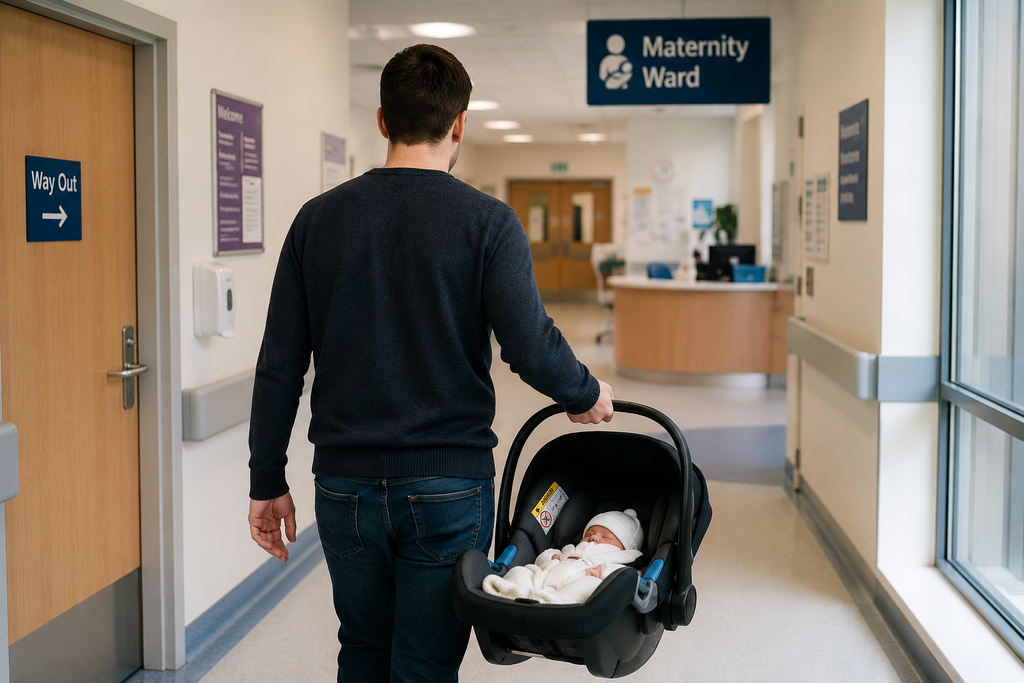
- Car seat for the journey home
What Your Birth Partner May Need
- Change of clothes
- Toothbrush, toothpaste and deodorant
- Phone and charger
- Camera, if wanted
- Snacks and drinks
- Swimwear if using a birth pool
- Any regular medicines
- Spare glasses or contact lenses, if needed
- Change for parking and vending machines
Still need a car seat? If you haven’t chosen yours yet, we’ve compared the best infant car seats from birth in the UK, including options for different budgets, everyday practicality and travel-system compatibility.
One Food Tip I Wish I’d Known
Definitely pack snacks for yourself and your birth partner, but there’s one thing I wish I’d understood before going into labour: you might not be allowed to eat everything you’ve brought.
After around 10 hours of labour, I had absolutely no appetite. Then my epidural started working and I suddenly felt starving — only to discover I wasn’t allowed to eat any of the snacks I’d packed.
It hadn’t occurred to me that the rules around eating and drinking could change during labour, particularly if an epidural or surgical intervention was involved.
If I were packing my hospital bag again, I’d still bring plenty of familiar snacks, but I’d also ask my maternity team beforehand what I might be allowed to have if solid food became restricted. Depending on hospital guidance, this could include certain clear drinks or other permitted options.
My advice: Ask your midwife about your hospital’s policy on eating and drinking during labour, including what happens if you have an epidural or need a C-section. What’s appropriate can depend on your individual circumstances, so always follow your maternity team’s instructions.
And don’t forget your birth partner’s snacks — they may be the only person allowed to eat them!
Don’t Overpack: What You Can Leave at Home
It’s tempting to pack for every possible scenario, but you probably won’t need the books and magazines, make-up, yoga mat, pregnancy pillow or multiple bulky comfort items. I’d also leave the breast pump or Haakaa at home unless your maternity team has advised you to bring one.
When it comes to clothes, a couple of comfortable, nursing-friendly outfits or PJs are usually more practical than packing half your wardrobe.
One thing I wouldn’t cut back on, though, is the essentials for you and your baby. Don’t assume your hospital will provide nappies, maternity pads, towels or a baby hat. What’s supplied varies between maternity units, so check beforehand and pack your own if you’re unsure.
As nervous first-time parents, we spent quite a bit of time choosing newborn nappies and wipes. We wanted something gentle for delicate skin and were particularly interested in products marketed as chlorine-free and hypoallergenic.
We eventually settled on Mama Bamboo Nappies and Mama Bamboo Water Wipes. Both worked really well for us, and we continued using them for the first few months.
They’re two products I’d happily pack again, although there’s no need to spend a fortune on newborn nappies and wipes — finding something that suits your baby’s skin and your budget matters more.
Pack Two Smaller Bags, Not One Enormous One
This might be my most useful hospital bag packing tip: pack two smaller bags instead of one enormous suitcase.
Keep a small labour bag with everything you’ll want within easy reach — water, snacks, lip balm, phone charger and other labour essentials. Then have a separate after-birth bag for your clothes, toiletries, maternity pads, feeding supplies, nappies and baby clothes.
Inside each bag, I’d highly recommend using mesh zip pouches or packing organisers.
Rather than having your birth partner rummage through everything, organise your supplies into a few easy-to-grab pouches:
- Labour essentials: Lip balm, hair bobbles, charger and other small items.
- Snacks: Food and drinks for you and your birth partner.
- Baby changes: Nappies, wipes, muslins and a change of clothes.
- Bathroom essentials: Maternity pads, disposable underwear and toiletries.
The bathroom pouch is particularly handy after birth. When you need the loo, you can simply grab the whole thing instead of searching through your bag for individual items.
These pouches turned out to be one of our most useful purchases. We continued using them for days out, travelling abroad, organising spare clothes and nappies, and keeping little toys together. They’re one of the few hospital bag purchases I’d happily buy again.
I’d also keep a small backup bag in the car with extra nappies, maternity pads and clothes for you and baby. If your hospital stay ends up being longer than expected, your birth partner can fetch it without having to repack everything.
Finally, write a last-minute packing list for things you can’t put away in advance — your phone, charger, toothbrush, hairbrush, glasses and any regular medication. Share it with your birth partner so either of you can do a final check before leaving home.
Shopping on Amazon?
If you’re not already a Prime member, you can check whether you’re eligible for a free 30-day trial and enjoy Prime delivery on millions of eligible items.
Hospital Bag FAQs
When should I pack my hospital bag?
The NHS recommends having your hospital bag ready at least three weeks before your due date. You can pack most things earlier and keep a short last-minute list for your phone, charger, toothbrush, medication and anything else you still use daily.
What does the NHS provide when you give birth?
It varies considerably between NHS trusts and hospitals. Some maternity units provide things such as maternity pads, towels, baby blankets or hats, while others expect you to bring almost everything yourself.
Unless your maternity unit specifically tells you otherwise, I’d bring your own nappies, maternity pads, towel and baby hat.
How many nappies should I take to hospital?
Bring enough for your expected stay and keep an extra supply in your backup bag or car. Newborns can get through nappies surprisingly quickly, and you shouldn’t assume your hospital will provide them.
How many baby clothes should I pack for hospital?
A few vests and sleepsuits are usually enough for a short stay, with extras in your backup bag. I’d pack both newborn and 0–3 month sizes, as estimated birth weights aren’t always accurate.
What should I pack in my hospital bag for a C-section?
Alongside the usual essentials, prioritise large high-waisted underwear, loose clothing or PJs, slip-on shoes, maternity pads, a straw water bottle and an extra-long phone charger. You want as little as possible rubbing against your incision or requiring you to bend and stretch.
What snacks should I pack for labour?
Pack familiar, easy-to-eat snacks for both you and your birth partner, plus drinks or electrolyte sachets. I’d also bring a few options such as gummy sweets, jelly and clear broth in case normal food becomes restricted.
What you’re allowed to eat or drink during labour, after an epidural or before a possible C-section depends on your circumstances and hospital policy, so always follow your maternity team’s instructions.
Should I bring ready-to-feed formula to hospital?
Check with your maternity unit. What hospitals provide — and what they ask parents who plan to formula or combination feed to bring — varies.
If you’re considering taking ready-to-feed newborn formula, ask whether you’ll also need to provide sterile bottles or teats.
What should I NOT pack in my hospital bag?
I’d skip lots of books and magazines, make-up, multiple outfits, a yoga mat, bulky comfort items and a breast pump or Haakaa unless you specifically expect to need one.
Pack for what you’re realistically likely to use and keep additional supplies at home or in the car.
The same applies at home. Before buying everything on the standard newborn lists, have a look at what you don’t actually need for a newborn — and when you might need it later.
Is it better to take one hospital bag or two?
I found two smaller bags much more practical than one enormous suitcase. Keep immediate labour essentials together in one bag and your post-birth clothes, toiletries, maternity supplies and baby’s things in another.
Mesh pouches inside the bags make it even easier for you or your birth partner to grab exactly what’s needed.
What should I keep in a backup hospital bag?
Keep extra nappies, wipes, maternity pads, underwear, clothes for you, baby clothes and muslins in a small backup bag at home or in the car. If an expected six-hour stay turns into several nights, your birth partner can simply fetch it.