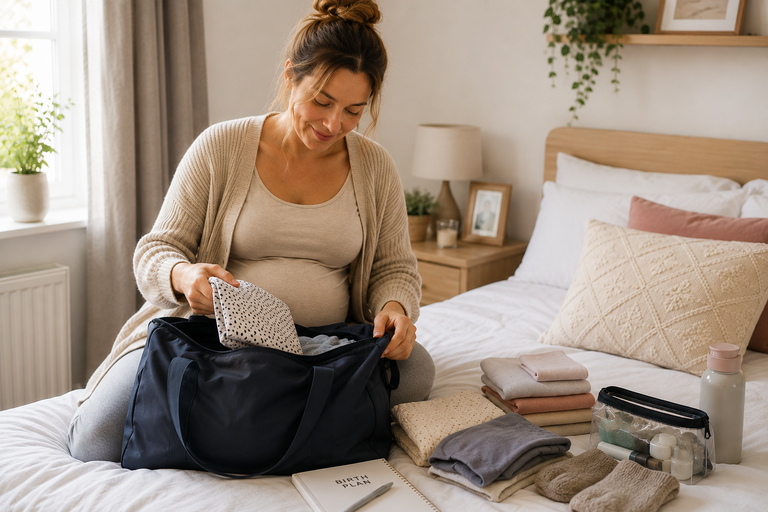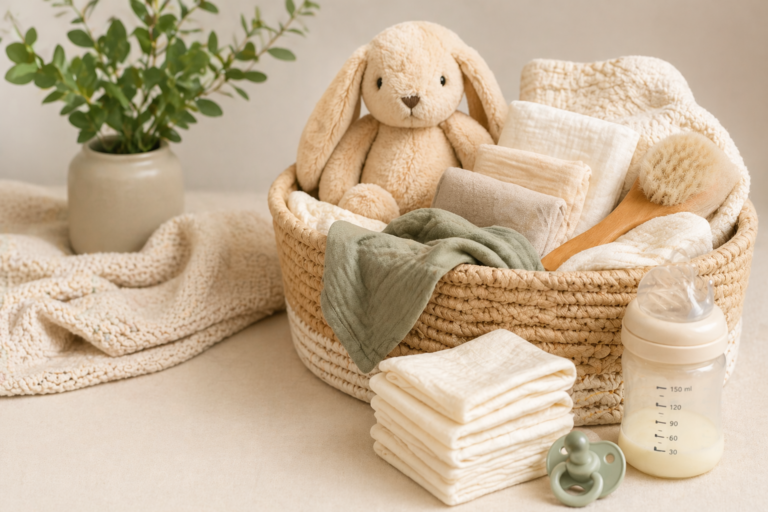
Preparing for a Baby with ADHD: What I’d Do Differently
I thought I’d prepared reasonably well for having a baby.
I’d bought the essentials, washed the tiny clothes, organised the nursery and spent far too long researching things like the best baby monitor.
What I hadn’t really prepared for was how my ADHD brain would cope with everyday life once the baby arrived.
I have relatively mild ADHD, and before becoming a mum, I’d developed my own little ways of managing things. I could usually catch up on the washing, tidy the house when I felt like it or spend an entire afternoon getting something organised.
Then I had a newborn.
Suddenly, there were feeds to remember, tiny clothes everywhere, bottles and baby supplies to keep track of, and approximately three minutes to finish any task before I was needed again.
And sleep deprivation certainly didn’t help.
Looking back, I wish I’d spent less time trying to create the perfect nursery and more time making everyday life easier for myself.
Because when you have ADHD, the best baby preparation isn’t necessarily about buying more things. It’s about reducing the number of things you have to remember, decide and organise.
Here are 20 things I’d do differently if I were preparing for a baby again.

Disclaimer: This post contains affiliate links, including links to Amazon and other affiliate partners. I may earn a small commission if you make a purchase through these links, at no extra cost to you. As an Amazon Associate, I earn from qualifying purchases.
Make Clothes and Laundry Almost Effortless
1. Put together a tiny postpartum wardrobe
Forget having a beautifully organised wardrobe full of outfits you might wear.
For the first few weeks, I’d keep around 7–10 comfortable, easy-to-reach pieces in regular rotation: soft leggings (ideally with pockets), loose tops, nursing-friendly clothes if needed, and a couple of comfortable sets for sleeping.
I eventually used an empty suitcase to pack away the clothes I knew I wouldn’t be wearing for a while. Nothing fancy, and no need for extra storage boxes. It freed up wardrobe space and made getting dressed that little bit easier.
Not because you won’t want to dress nicely again, but because choosing what to wear is one less decision you need to make when you’ve barely slept.
2. Stop folding absolutely everything
I genuinely think we put far too much effort into organising clothes that will be worn, washed and thrown back into the laundry basket within 24 hours.
If folding is one of those jobs that never quite gets finished, try using baskets or open storage bins instead.
For your own clothes, you could have one for tops, one for bottoms, one for underwear and another for sleepwear. Clean clothes go straight into the right basket. Done.
And the same goes for baby clothes. Those tiny vests, sleepsuits, socks and muslins seem to multiply overnight, and folding every single one can quickly become another unfinished job.
You don’t need a perfectly organised wardrobe. Just a simple system where everything has its place and putting clean laundry away takes seconds.
You can still fold the things you care about, but there’s no rule saying every pair of leggings or tiny baby vest needs to be perfectly arranged.
3. Choose baby clothes that are easy to put on
Those adorable little outfits with seventeen poppers?
Not quite so adorable when you’re changing a baby at 3 am.
For the first few weeks, I’d stick to inexpensive, basic sleepsuits. Those early meconium stains can be surprisingly stubborn, and the last thing you need is to worry about ruining lovely baby clothes.
Once that messy newborn stage is behind you, though, I’d thoroughly recommend switching to zip-up sleepsuits like these, particularly ones with two-way zips. They make those middle-of-the-night nappy changes so much easier, especially when you’re exhausted and struggling to concentrate.


Magnetic fastenings are another option, provided they meet appropriate safety standards and are used according to the manufacturer’s instructions.
Keep everyday baby clothes in clearly labelled drawers or open bins, sorted by type.
The easier something is to find, the more likely you’ll actually put it away.
We ended up using a solid wood cube storage organiser with fabric baskets, and it worked brilliantly for keeping all those tiny baby clothes in order without having to fold everything perfectly.
We had one basket for sleepwear, another for knitwear, one for hats and mittens, and so on. Everything had its place, but putting things away took seconds.
Here are a couple of options depending on your budget, whether you prefer solid wood or MDF, and your preferred colour and finish.

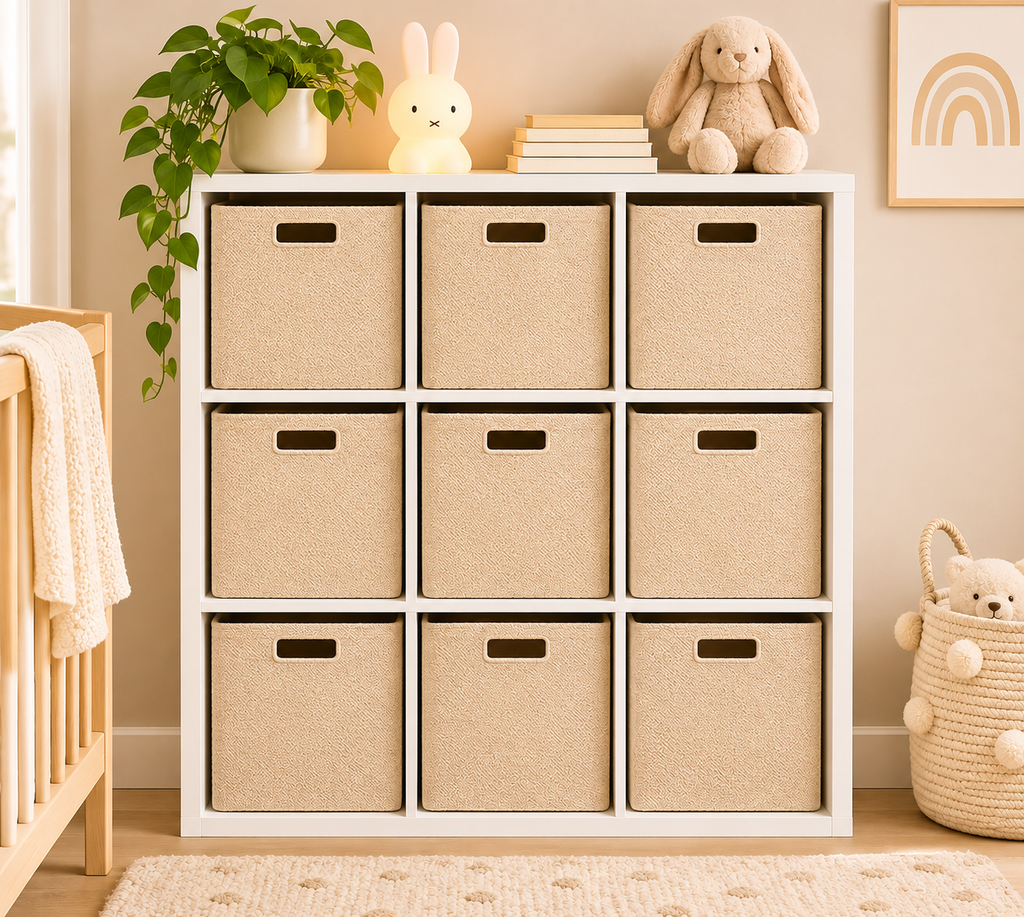
⚠️ Whichever option you choose, make sure the unit is securely anchored to the wall according to the manufacturer’s instructions, especially once your little one starts exploring.
And if you’re still planning the rest of your baby’s room, you might also like my guide on How to Set Up a Calm Montessori Bedroom for Babies. It’s full of ideas for creating a simple, peaceful space without filling the nursery with things you don’t really need.
4. Put laundry baskets exactly where clothes end up
Not where they look nicest. Where you actually take clothes off.
A lidless laundry basket beside the bed or in the bathroom can make a surprising difference.
I’d also keep a small mesh laundry bag for tiny baby socks and other little washable items that have a habit of disappearing.
The goal is to make putting something in the laundry basket easier than dropping it on the floor.
Set Up Your Home for the Way Your Brain Actually Works
5. Create baby supply stations in more than one room
This is something I wish I’d done properly before bringing my daughter home.
Instead of keeping every nappy, wipe and muslin in the nursery, create a small baby essentials basket wherever you spend the most time.
For example, a living room basket might contain nappies, wipes, muslins, a spare sleepsuit and a clean portable changing mat.
Something like this would be more than enough:
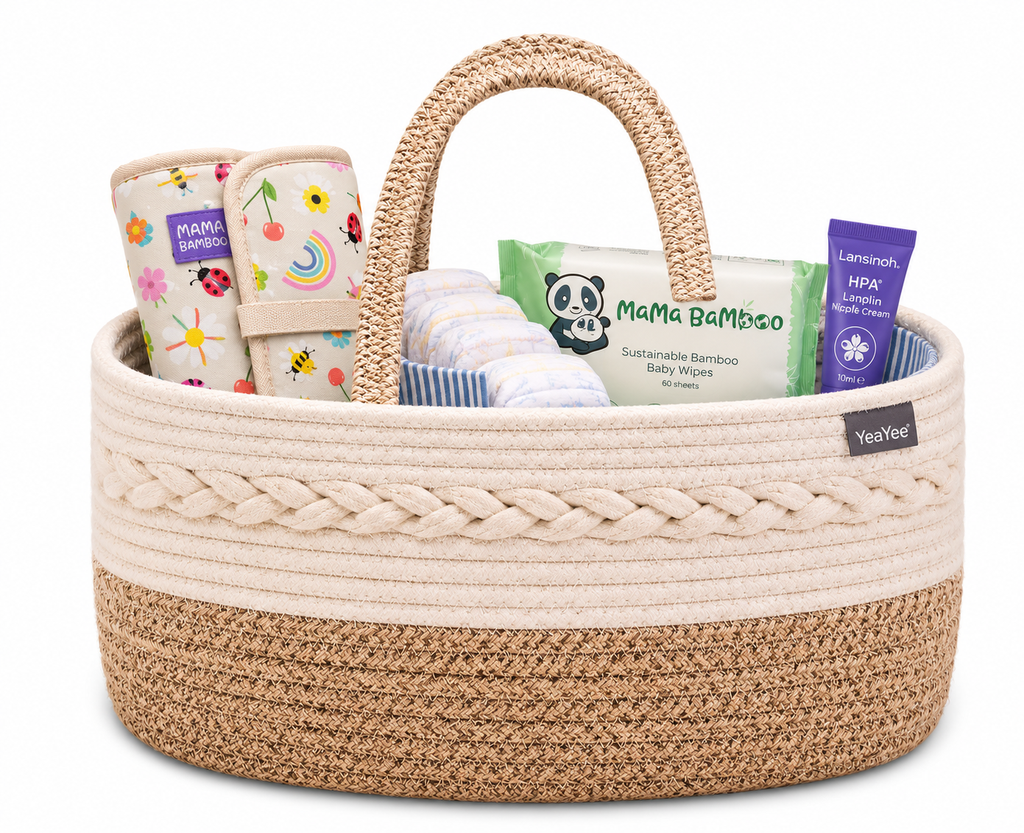
View Nappy Caddy with Compartments
Keep your own water bottle, snacks and phone charger nearby too.
You don’t need to carry half the nursery around the house every time your baby needs changing.
6. Give important things a permanent landing spot
Keys, phone, baby bag, water bottle.
These are the things you don’t want to spend ten minutes searching for when you’re already running late.
I’d create a small basket or tray near the front door for the things that need to leave the house with you.
Another beside the bed can hold your nighttime essentials.
It doesn’t have to look particularly pretty. It just needs to be somewhere you’ll naturally use.
7. Make important supplies visible
If something disappears into the back of a cupboard, there’s a good chance I’ll forget it’s there.
Clear containers, open baskets and simple labels can help you see what you have without rummaging.
This is particularly useful for nappies, wipes, muslins and other everyday baby supplies.
For medication, cleaning products and anything potentially dangerous, though, stick to secure, child-resistant storage out of children’s reach rather than open baskets.
8. Embrace the clutter basket
I love the idea of having one basket in each main room for things that don’t belong there.
Baby socks on the sofa? Into the basket.
A muslin on the kitchen chair? Basket.
Random toy under the table? Basket.
You can put everything back later, when you have the time and energy.
It’s not a perfect organising system, and you will eventually need to empty those baskets. But sometimes getting the room reasonably tidy in two minutes is much better than abandoning the job because you can’t do it properly.
Make Feeding and Kitchen Jobs Easier
9. Create one obvious place for feeding equipment
If you’re bottle-feeding, expressing or combination-feeding, give all the equipment a dedicated space.
Keep the bottle brush, washing-up supplies, drying rack and sterilising equipment together.
It sounds obvious, but having everything in one place can make those repetitive daily jobs feel much less overwhelming.
Follow NHS guidance on cleaning and sterilising feeding equipment, and avoid leaving used bottles or pump parts soaking for extended periods.
10. Prepare food for yourself, not just the baby
Everyone talks about preparing for feeding your newborn.
Far fewer people talk about how you’re supposed to feed yourself when you’ve got a baby who wants to be held all afternoon.
I’d stock the freezer with simple meals, individual portions and easy-to-grab snacks.
Think things you can heat quickly, eat with one hand or prepare without having to make lots of decisions.
Even a few weeks’ worth of familiar meals can take some pressure off.
11. Give yourself permission to use shortcuts
Pre-cut vegetables, supermarket meal kits, grocery delivery, ready-prepared meals.
Even disposable plates occasionally, if that’s what helps you get through a particularly exhausting week.
You don’t get extra parenting points for doing everything the difficult way.
12. Set up repeat orders before the baby arrives
Running out of nappies at the worst possible moment is stressful enough without having to remember what size, brand or quantity you bought last time.
I’d save shopping lists in my supermarket app and consider repeat deliveries for household basics such as washing-up liquid and bin bags.
For nappies, check the size and quantity before every repeat order, because babies have an annoying habit of growing.
Take Some of the Remembering Out of Everyday Life
13. Choose one simple way to track feeds and nappies
There are plenty of baby tracking apps, but you don’t necessarily need an elaborate system.
A simple app, notebook or shared note can be enough.
The important thing is choosing something you’ll actually use.
I’d test it before the baby arrives rather than trying to figure it out in the middle of the night.
And remember, tracking is a tool, not another job you have to do perfectly. Follow your midwife’s advice about what needs monitoring, especially in the early newborn days.
14. Put a tiny checklist beside the front door
Leaving the house with a newborn can feel like organising a small expedition.
I’d put a simple checklist beside the door:
- Phone and keys
- Changing bag stocked
- Baby essentials checked
Nothing elaborate.
Just a quick visual reminder before leaving.
15. Make cleaning up a one-step job
The more steps a task involves, the easier it is to put off.
I’d put small bins where rubbish actually accumulates, such as near the changing area and beside my usual feeding spot.
Keep cleaning supplies conveniently located for adults, but safely locked away or otherwise inaccessible to children.
You want to make tidying easier without introducing new safety risks.
16. Agree on responsibilities before you’re both exhausted
This is a big one.
Rather than assuming you’ll both somehow share everything equally, sit down before the baby arrives and talk about who will handle which jobs.
Who washes bottles? Who keeps track of nappies? Who deals with the laundry? Who sorts out dinner?
You can change the arrangement later, of course.
But having clear responsibilities means fewer things to remember, fewer repeated conversations and less resentment when you’re both tired.
And if you’re the one recovering from birth, your rest and recovery need to be part of that plan.
Protect Yourself from Sensory Overload
17. Have a plan for moments when everything feels too loud
I wasn’t fully prepared for how overwhelming the constant noise and interruptions could feel.
A crying baby, the washing machine running, the television in the background and someone asking you a question can be a lot to process at once.
Noise-reducing earplugs can sometimes take the edge off without blocking sound completely.
I’d keep a pair somewhere easy to reach, but only use them in a way that still allows you to hear and respond to your baby.
And if you ever feel completely overwhelmed, it’s OK to put your baby safely in their cot for a few minutes while you collect yourself.
18. Make nighttime feeds as calm as possible
Bright overhead lights at 3 am are nobody’s friend.
I’d set up a small, warm, dimmable nightlight near the feeding and changing area.
Enough light to see what you’re doing safely, without turning the room into broad daylight.
Keep the essentials within reach so you’re not searching for wipes or clean clothes in the dark.
If you’re choosing a nightlight that will still be useful as your baby grows, I’ve also put together a guide to the best night lights for babies, including options for gentle nighttime lighting.
19. Prepare something to keep your brain occupied
This might sound like an odd baby preparation tip, but I’d download some podcasts, audiobooks or favourite programmes before the birth.
Long feeding sessions and contact naps can be lovely, but they can also feel mentally restless, especially if you’re used to keeping busy.
Having something familiar to listen to can help.
Just make sure you can still hear your baby and avoid anything that distracts you from safe feeding and care.
20. Make an ADHD medication and support plan before birth
If you take ADHD medication, it’s worth discussing your treatment options with your GP or prescribing specialist as early as possible, ideally before pregnancy if you’re planning ahead. They can help you understand your options during pregnancy, breastfeeding and the postpartum period.
The One Thing I’d Tell My Pregnant Self
Looking back, I think I spent too much time preparing for the baby and not nearly enough time preparing for myself.
I wanted everything to be ready, organised and just right.
But what I really needed were systems that would still work when I was tired, distracted, overwhelmed or simply didn’t have the energy to finish a job.
Fewer decisions. Less folding. More baskets. Easier meals. Important things where I could actually see them.
And, perhaps most importantly, permission to do things differently.
If you have ADHD and you’re preparing for your first baby, you don’t need to create the perfect home or follow every suggestion on this list.
Start with the things you already find difficult, and make those easier before your baby arrives.
That’s the preparation I wish I’d focused on.
Frequently Asked Questions About Preparing for a Baby with ADHD
How can I prepare for a baby if I have ADHD?
Focus on making everyday tasks easier rather than trying to organise everything perfectly. Prepare simple storage systems, stock up on essentials, plan easy meals and create routines that don’t rely on remembering lots of little things.
Does ADHD make caring for a newborn harder?
It can make certain parts of newborn care more challenging, particularly when you’re sleep-deprived. Remembering tasks, switching between activities and coping with constant interruptions may feel harder, but practical support and simple routines can make a real difference.
What are the best ADHD-friendly baby organisation tips?
Keep everyday essentials visible and easy to reach, use baskets instead of complicated storage systems, and create nappy-changing stations in the rooms you use most. The fewer steps involved in a task, the easier it is to keep on top of.
Can ADHD symptoms get worse after having a baby?
Some women find their ADHD symptoms harder to manage after giving birth, particularly with disrupted sleep, hormonal changes and the demands of caring for a newborn. If you’re struggling, speak to your GP or ADHD specialist for advice and support.
What should I prioritise before my baby arrives?
I’d prioritise preparing your own meals, simplifying laundry, organising baby essentials and discussing practical responsibilities with your partner or support network. A perfectly decorated nursery can wait. Making those first few weeks easier for yourself matters much more.