
When and How to Use Visual Timers for Toddlers
Transitions can be hard for toddlers. A visual timer makes time easier to understand—helping reduce resistance and create calmer routines.
Practical Montessori-inspired guidance for understanding toddler behaviour, big emotions, boundary testing, and everyday challenges. Learn calm, consistent strategies that build cooperation, emotional regulation, and secure attachment.
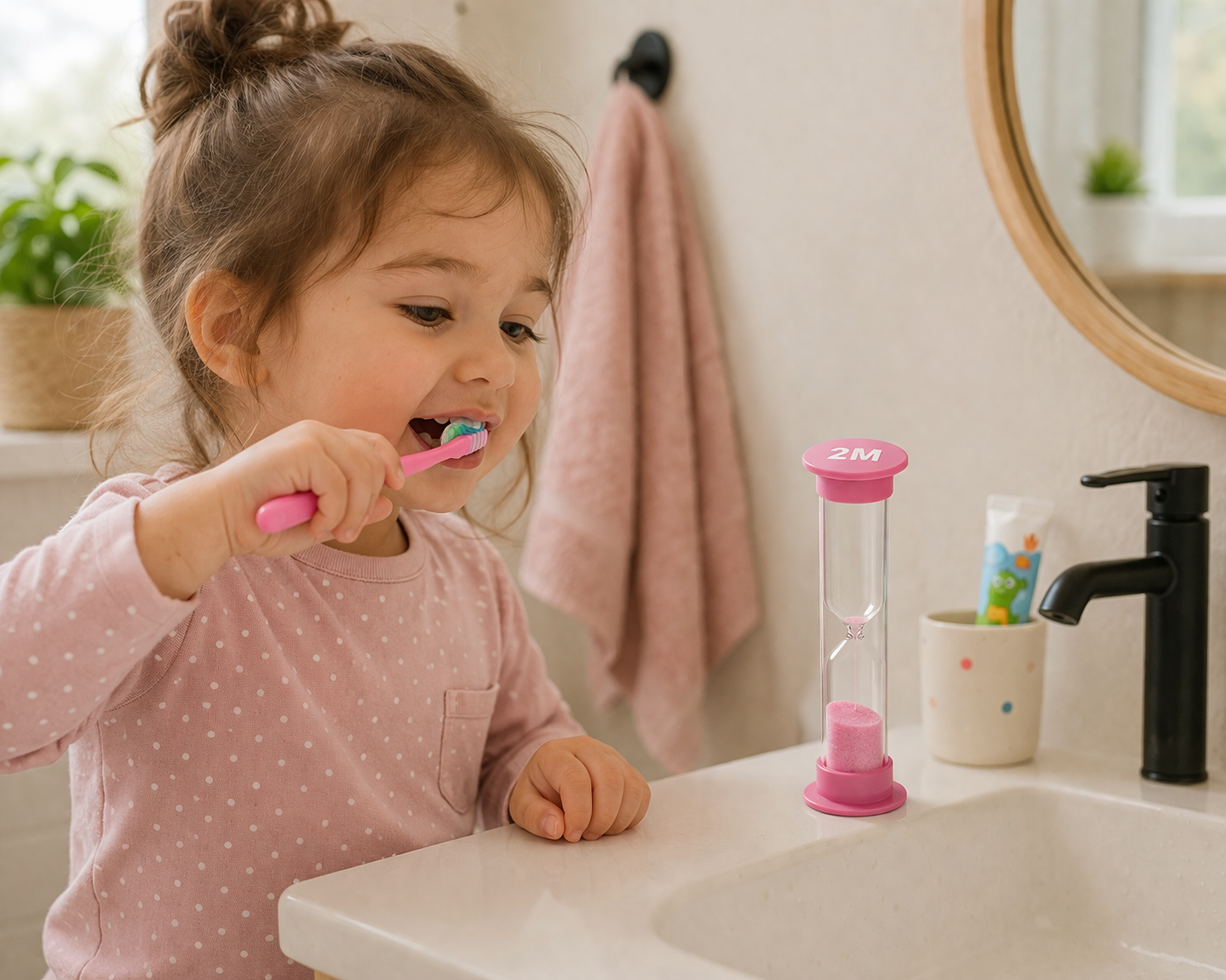
Transitions can be hard for toddlers. A visual timer makes time easier to understand—helping reduce resistance and create calmer routines.

If your 2 year old wakes up crying and says no to everything, it can feel confusing and intense. Here’s what’s really happening — and how to respond calmly.

We genuinely didn’t expect this to work. Every parent has that one thing they try out of desperation. A favourite toy. A snack. The emergency bag of raisins. Ours turned out to be a three-minute song. For some reason, The Happy Song by Imogen Heap has calmed our daughter since she was a baby—and it…

If your child is around 18 months, you may have noticed a shift. Things that once felt manageable suddenly feel harder. More resistance.More frustration.More intensity. You might find yourself wondering: “Why is this suddenly so difficult?” Your child has only been in the world for around 500 days. Not long ago, everything around them was…
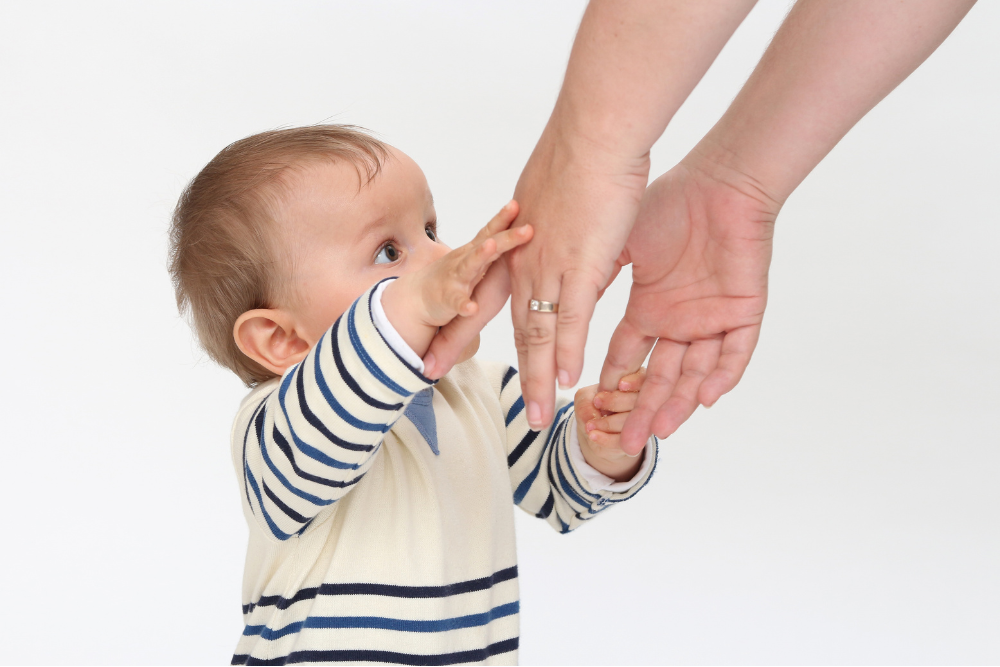
If your 14 month old suddenly won’t leave your side, this clingy phase can feel confusing. Here’s what’s normal, why it happens, and what actually helps.

Tantrums can feel overwhelming, but small, simple tools can make a real difference. These calm-down ideas help toddlers regulate emotions and make daily life feel more manageable.

Raising a happy toddler doesn’t require perfection. Discover simple tips to support independence, emotional development, play, and confidence in children aged 2–3.
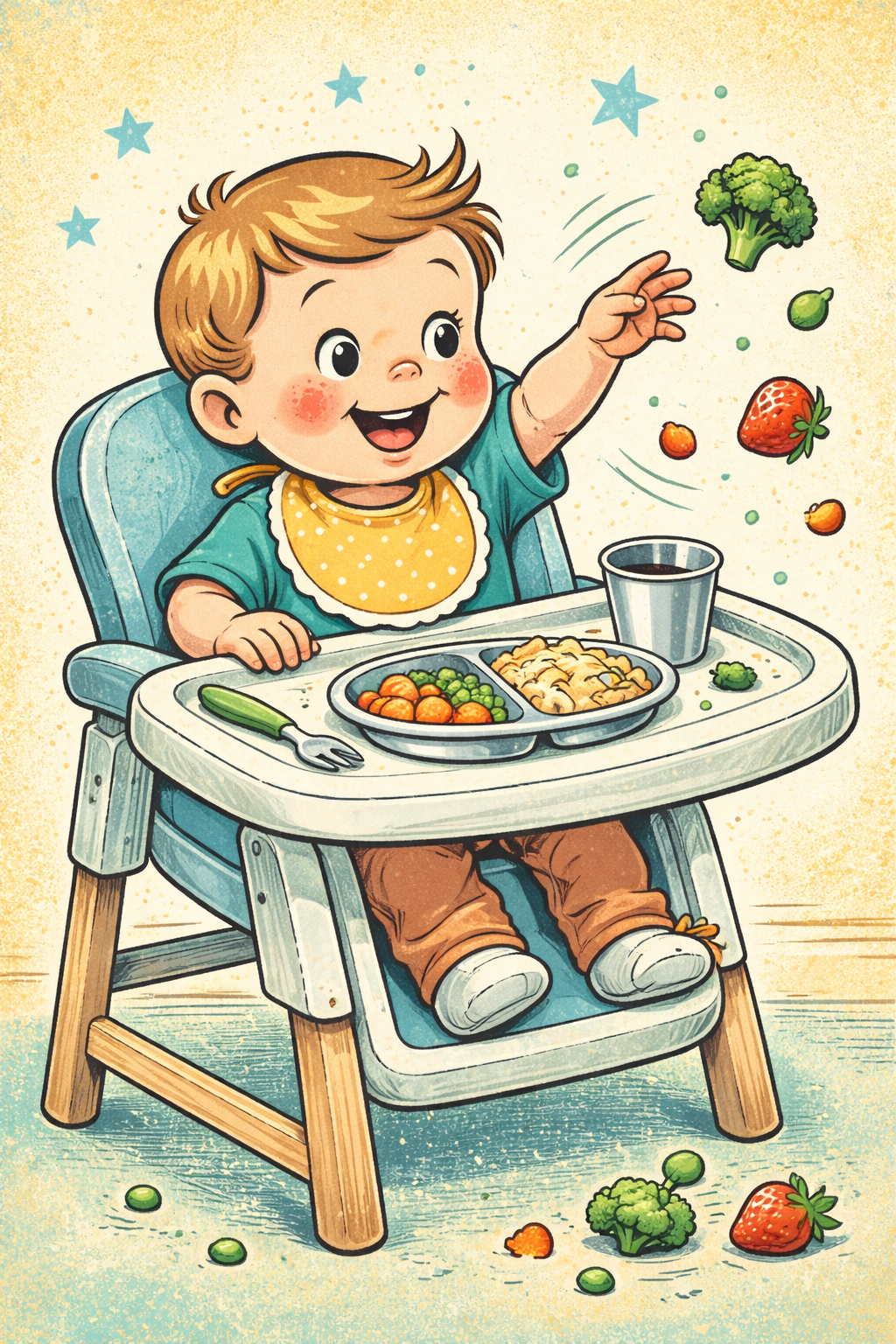
Food throwing is a common toddler behaviour. Discover why toddlers throw food during meals and what this stage means for their development.

Many parents wonder why a 2 year old ignores you during play or instructions. Developmental psychology explains how attention, independence, and emotional regulation shape toddler listening behaviour.

Many parents notice the same pattern: the more exhausted mum becomes, the more toddlers seem to cling. Neuroscience explains why this behaviour is deeply wired.
We use cookies to understand how visitors use our website and to help improve your experience. You can accept all cookies, deny non-essential cookies, or choose your preferences. You can change your choice at any time.