Why Independent Play Is So Important for Toddlers (What Research Shows)
If you have a toddler, you’ve probably felt this pressure at some point:
To engage more.
To play more.
To do more with them.
Disclaimer: This post contains affiliate links. As an Amazon Associate I earn from qualifying purchases at no extra cost to you.
And when your toddler struggles with:
- big emotions
- frustration
- difficulty waiting
It’s easy to think:
“Maybe I need to help them more”
But interestingly, research suggests something different.
Sometimes, what helps most…
is stepping back.
And this is where independent play for toddlers becomes so important.
It’s one of the simplest ways to support focus, confidence, and self-regulation over time.
This isn’t just a parenting idea — it’s supported by research1 following children over time.
What the Research Shows
A large longitudinal study followed over 2,000 children across several years, looking at how early play experiences affected later development.
What they found was consistent:
Children who spent more time in unstructured play in the toddler and preschool years showed better self-regulation later on.
This included:
- managing emotions
- waiting
- focusing attention
- handling frustration
Even more interesting:
Quiet, unstructured play showed a particularly strong link.
And this remained true even when accounting for earlier behaviour and other factors.
Why This Matters for Everyday Behaviour
When a toddler:
- melts down quickly
- struggles with transitions
- finds waiting difficult
It’s often not about behaviour in the way we think.
It’s about:
developing the ability to regulate themselves.
And that ability isn’t built through constant guidance.
It’s built through experience.
Why Independent Play Supports Self-Regulation
When a toddler plays alone, even for short periods, something important happens.
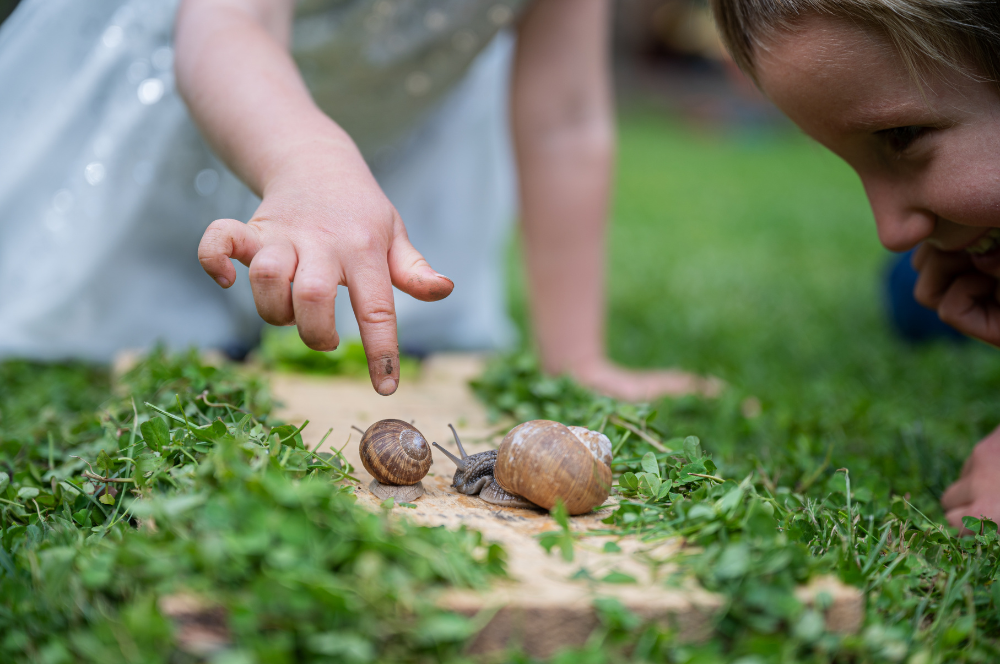
They begin to:
- solve small problems
- manage frustration
- stay with an activity
- make decisions independently
Without realising it, they are practising regulation.
Not because they’re being taught…
But because they’re experiencing it.
What “Unstructured Play” Actually Means
Unstructured play doesn’t have to look a certain way.
It doesn’t need to be complicated.
And it doesn’t need to be set up perfectly.
It simply means:
- no fixed outcome
- no step-by-step instructions
- no adult directing the play
It often looks very simple.
And sometimes repetitive.
But that’s where the value is.
What Counts as Unstructured Play (In Real Life)
In the research, unstructured play included very ordinary, everyday activities — not just specific toys.
For toddlers, this can look like:
Quiet, focused play
- playing with simple figures or play sets
- using toy vehicles
- stacking blocks or building
- drawing, colouring, or simple crafts
- pretend play (dolls, animals, role play)
- dressing up or acting out everyday situations
Everyday objects as play
- using cups, spoons, or containers
- moving objects from place to place
- opening, closing, stacking, and sorting
These are often the moments that look the simplest.
But they are also the moments where toddlers are:
- concentrating
- experimenting
- working things out
Active, unstructured play
This doesn’t need to be organised or planned.
It can be:
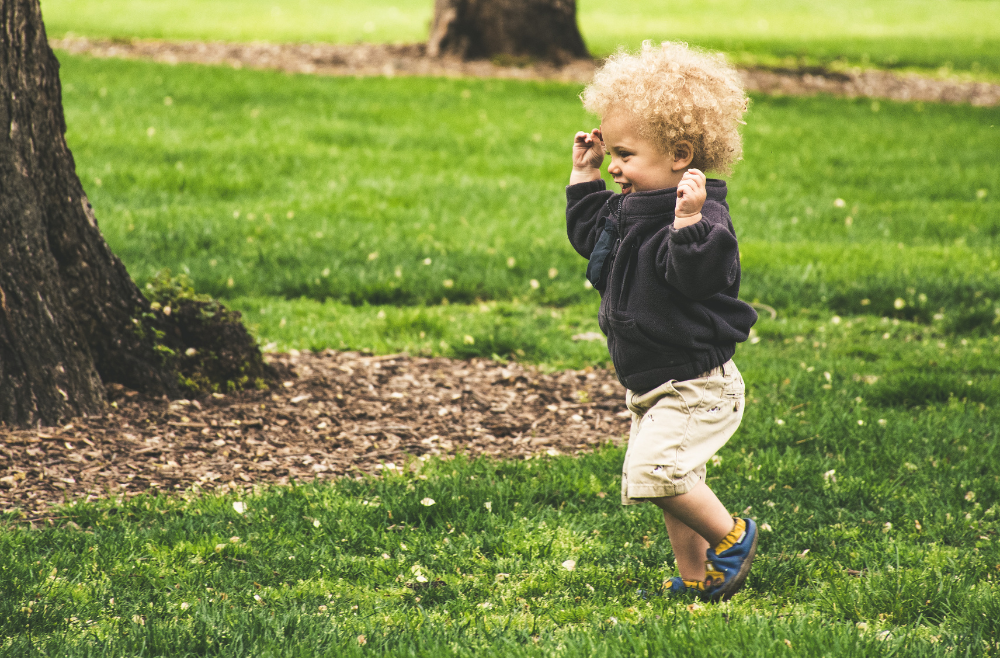
- running around outside
- climbing or exploring
- riding a trike or bike
- throwing or rolling a ball
- moving freely without a specific goal
This kind of movement supports both:
- physical regulation
- emotional release
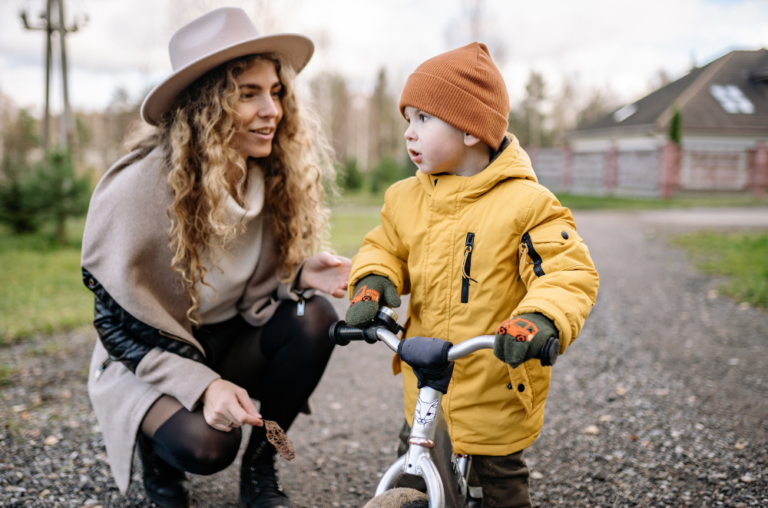
For many toddlers, this kind of movement comes most naturally through simple, everyday activities like riding a trike or balance bike.
These don’t need to be structured or guided.
They simply give your child the opportunity to:
- move freely
- explore their environment
- build confidence through repetition
A simple option many families use is:
Umatoll Toddler Balance Bike (12–24 months)
➤ Check current price on Amazon
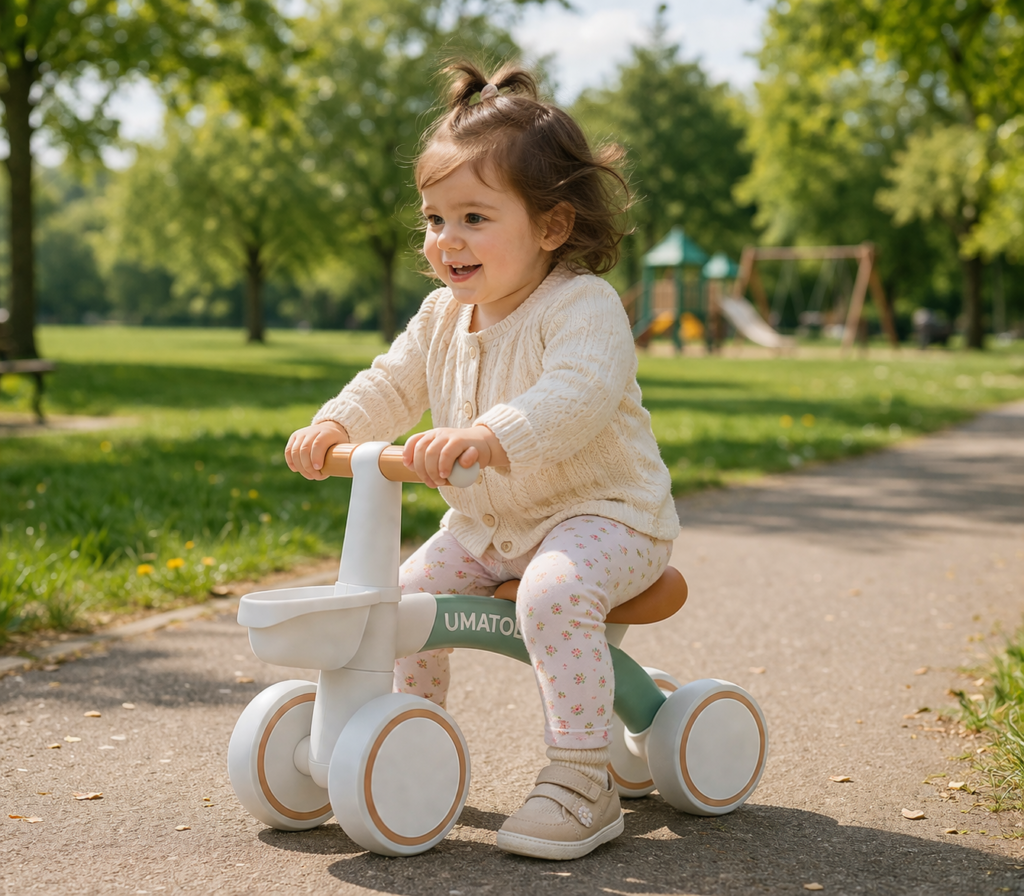
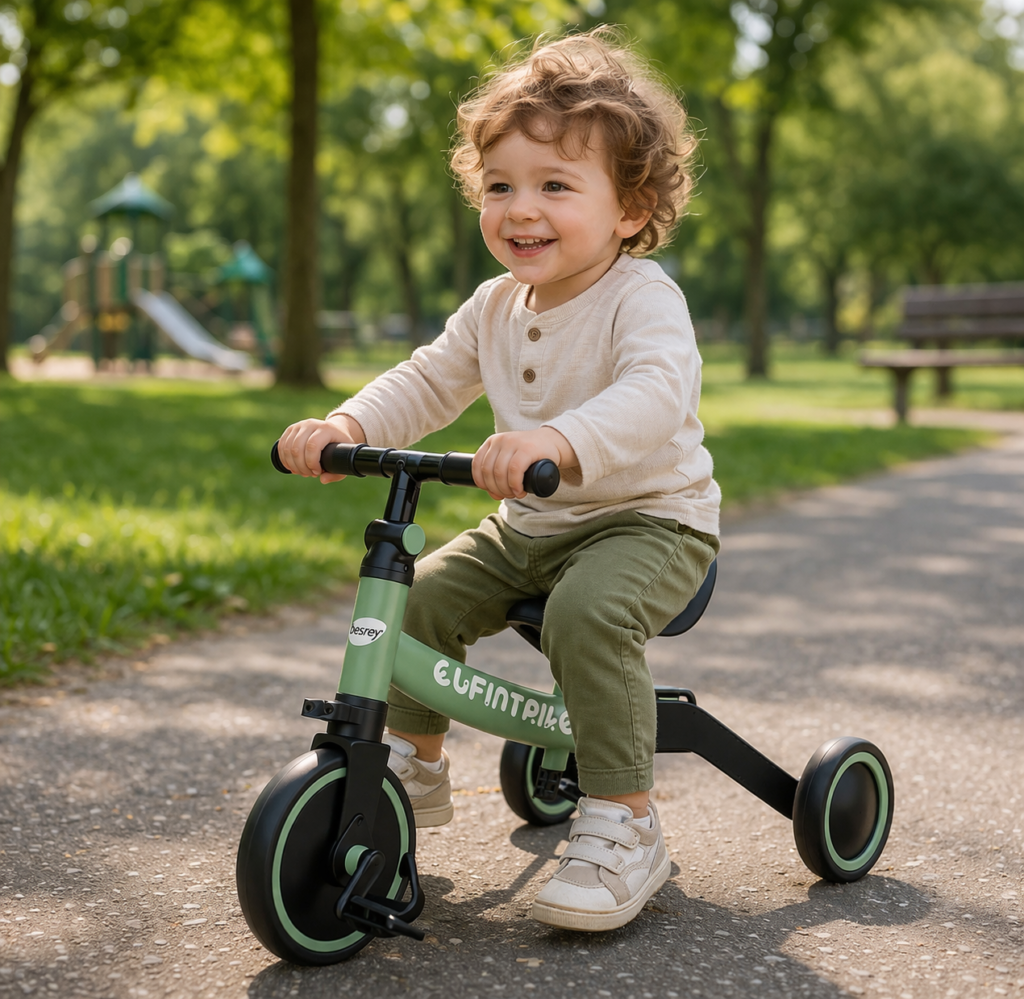
If you’d prefer something that adapts over time, some designs combine both approaches — allowing your child to start with stability and gradually move towards balance and pedalling as they grow.
One example is:
Besrey 5 in 1 Toddler Bike (10 months – 4 years, removable pedals)
➤ Check current price on Amazon
Whenever possible, outdoor play is one of the most natural ways for toddlers to reset and regulate.
If you’re looking for simple ways to support this, these ideas can help you get outside without overcomplicating it: → 10 Simple Spring Outdoor Activities for 2 Year Olds
But in real life, that’s not always possible.
There will be days when:
- the weather keeps you inside
- your child is unwell
- or you simply need a quieter day at home
And on those days, the goal isn’t to replace outdoor play — but to support your child in a different way.
Simple indoor activities can still offer many of the same opportunities to:
- move
- focus
- explore
Especially when they are open-ended and led by your child.
Play that happens alongside daily life
Some of the most valuable play isn’t set up at all.
It happens naturally:
- helping with simple household tasks
- coming along on everyday outings
- exploring new environments
- looking at books or being read to
These moments still count.
Because your child is:
observing
participating
making sense of the world
And this is often where simple, open-ended materials can make a difference.
When your toddler has access to something they can return to again and again, it becomes easier for them to stay engaged without needing constant input.
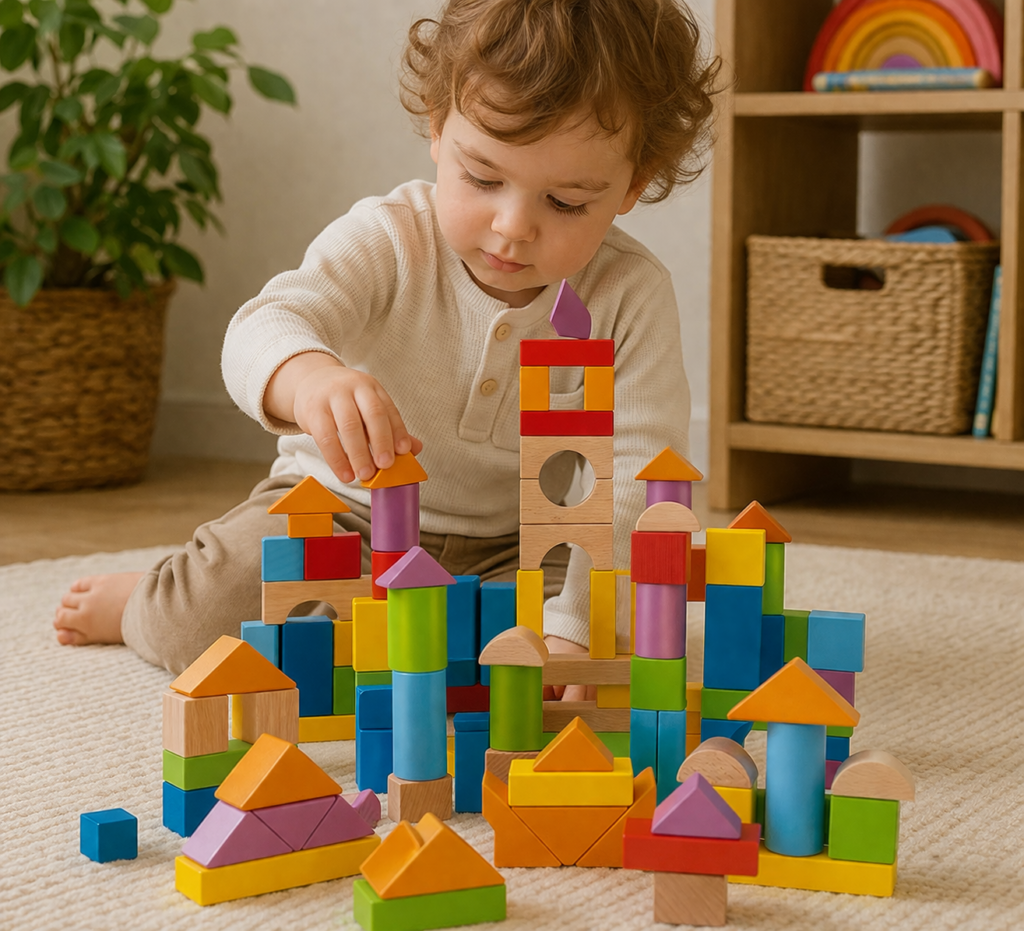
Building toys are a good example of this.
Blocks don’t have a fixed outcome.
They can be stacked, lined up, knocked down, and rebuilt — often in the same way, many times over.
This kind of repetition is not a sign of boredom.
It’s how toddlers:
- concentrate
- experiment
- work through small challenges
over time.
A simple option many families use is:
Hape Wooden Beech Building Blocks Set (101 Pieces)
➤ Check current price on Amazon
What This Is Not
This kind of play is different from:
- highly structured, adult-led activities
- constant direction or instruction
- passive screen time
These aren’t always harmful.
But they don’t offer the same opportunity for your child to:
think independently
manage frustration
stay engaged on their own
What This Looks Like at Home
Creating space for independent play for toddlers doesn’t require a complex setup.
In most cases, it’s about:
- a calm, predictable space
- a small number of simple toys
- time without interruption
If you’re working towards more independent play, this can help:
→ Independent Play Tools for Toddlers (Simple Montessori Ideas That Work)
What Often Gets in the Way
Without realising it, many of us:
- step in too quickly
- offer help too soon
- interrupt play
- try to guide outcomes
This usually comes from a good place.
But it can reduce the opportunity for your toddler to:
work things out for themselves.
What Actually Helps More
Instead of adding more, try:
- giving a little more space
- waiting a little longer before stepping in
- allowing small frustrations
Not ignoring your child.
Just not interrupting the process.
A Reassuring Note
If your toddler spends time:
- moving objects around
- repeating the same activity
- playing with simple things
It might not look like much.
But this kind of play is exactly what supports:
focus
patience
emotional regulation over time
When This Feels Difficult
It can feel uncomfortable to step back.
Especially if your toddler:
- calls for you quickly
- becomes frustrated
- seems unsure
That’s normal.
This is a skill that builds gradually.
The Bigger Picture
Self-regulation doesn’t appear suddenly.
It develops over time.
And what looks like simple play in the early years is actually building the foundation for:
- emotional control
- focus
- independence later on
Final Thoughts
You don’t need to do more to support your toddler’s development.
In many cases:
doing less is what helps most.
Not by stepping away completely.
But by giving your child:
the space to explore, experience, and figure things out.
References
1- Colliver, Y., Harrison, L. J., Brown, J. E., & Humburg, P.
Free play predicts self-regulation years later: Longitudinal evidence from a large Australian sample of toddlers and preschoolers.