Montessori Practical Life for Babies & Toddlers: Simple Daily Routines
Montessori practical life begins much earlier than most people expect.
It doesn’t start when a child can follow instructions or tidy independently.
It starts in the smallest everyday moments — wiping a face, washing hands, cleaning a spill.
In Montessori, these are not chores.
They are how children begin to understand their world.
Why Practical Life Matters in the Early Years
Young children are naturally drawn to real-life activities.
They want to:
- imitate what you do
- participate in daily routines
- feel useful and capable
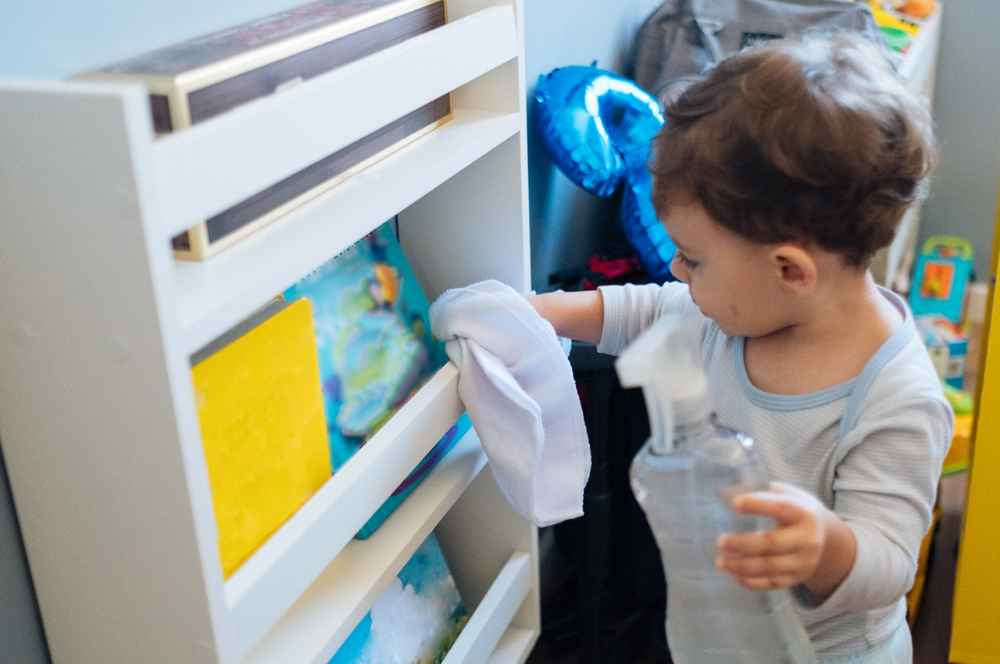
When a child wipes a table or washes their hands, they are not just “helping.”
They are building:
- coordination
- concentration
- independence
- confidence
This is why Montessori environments prioritise practical life from the very beginning.
This kind of hands-on, purposeful activity also supports longer focus and independent play as toddlers grow.
→ Best Montessori tools for independent play
👶 Stage 1: 0–12 Months — Practical Care Comes First
At this stage, your baby isn’t able to participate yet — so the focus is on keeping routines calm, simple, and manageable for you.
Practical tools matter here because they allow you to move smoothly through daily care without disruption.
Simple routines already lay the foundation:
- wiping hands after feeding
- cleaning their face gently
- talking through what you’re doing
- keeping care moments calm and predictable
During the newborn stage, when care is fully guided by the parent, many families opt for gentle, minimal-ingredient options like Mama Bamboo Sustainable Bamboo Baby Wipes for everyday cleaning, particularly when you’re out and about and need a practical solution.
At this stage, the goal isn’t independence yet.
👉 It’s consistency, comfort, and ease — so you can focus on connection.

🧒 Stage 2: 12–24 Months — From Care to Participation
This is where everything begins to shift.
Your toddler is no longer just observing.
They want to do it themselves.
You might notice them:
- reaching for the cloth
- trying to wipe the table
- copying your movements
- insisting on helping
This is the beginning of practical life in action.
Simple Activities to Introduce
At this stage, keep everything:
- simple
- accessible
- repeatable
You can begin with:
- a small cloth for wiping hands
- helping clean small spills
- wiping a table after eating
- washing hands with support
The goal isn’t perfection.
It’s participation.
Choosing the Right Tools at This Stage
Now, the materials you offer start to matter in a different way.
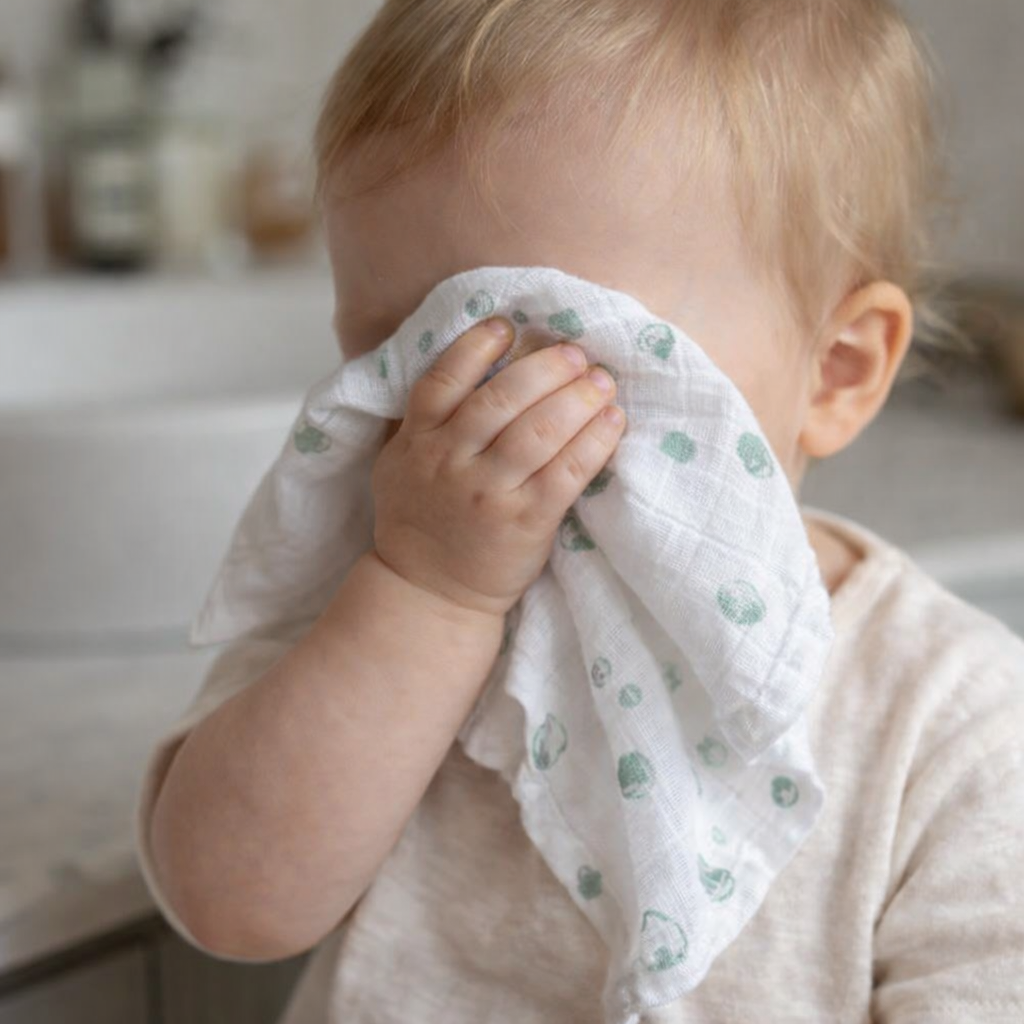
A simple cloth allows:
- repetition
- coordination
- real involvement
Simple muslin washcloths, like Little Bamboo Muslin Baby Wash Cloths 6 Pack, are a staple in Montessori homes—used daily for cleaning, routines, and gradually teaching children to care for themselves.
→ View simple toddler-friendly cloths designed for small hands
Wipes can still be helpful:
- when you’re out
- for quick clean-ups
- during messy transitions
But increasingly, your toddler benefits from materials they can actively use.
👉 This is where independence begins to grow.
🧼 Stage 3: 2+ Years — Building Independence
By this stage, practical life becomes part of everyday routines.
Your child is now ready to take on simple responsibilities more fully.
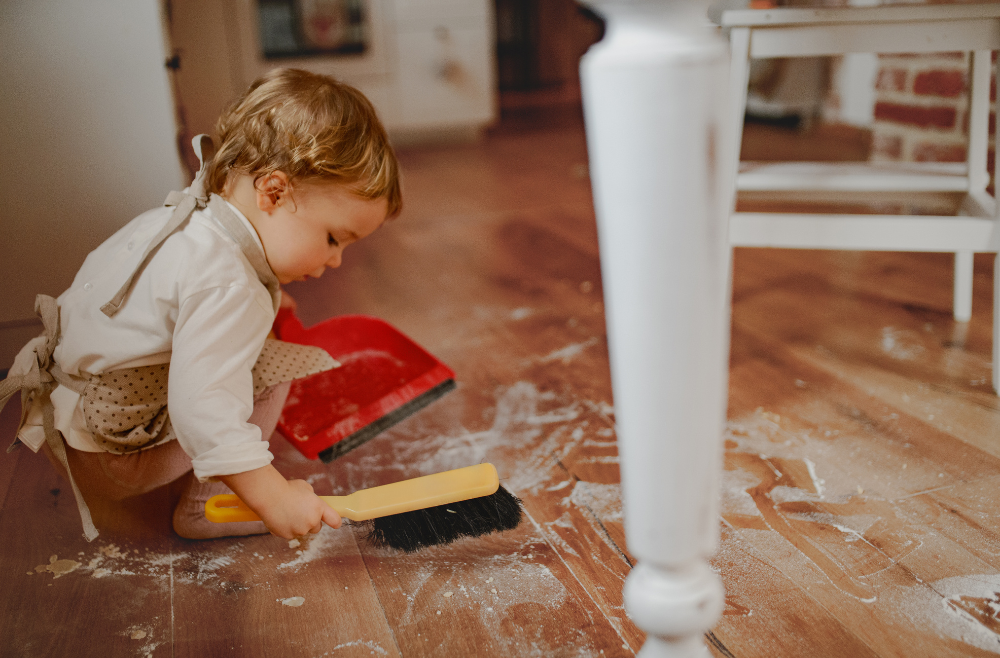
What This Can Look Like
- wiping their own hands and face
- cleaning small spills independently
- helping tidy after meals
- washing hands with minimal support
With the right setup, toddlers begin to repeat these activities naturally.
Creating a Simple Practical Life Setup
You don’t need anything complicated.
A practical life space might include:
- a small basket with cloths
- a low hook or shelf
- a small basin or bowl
- easy access to water
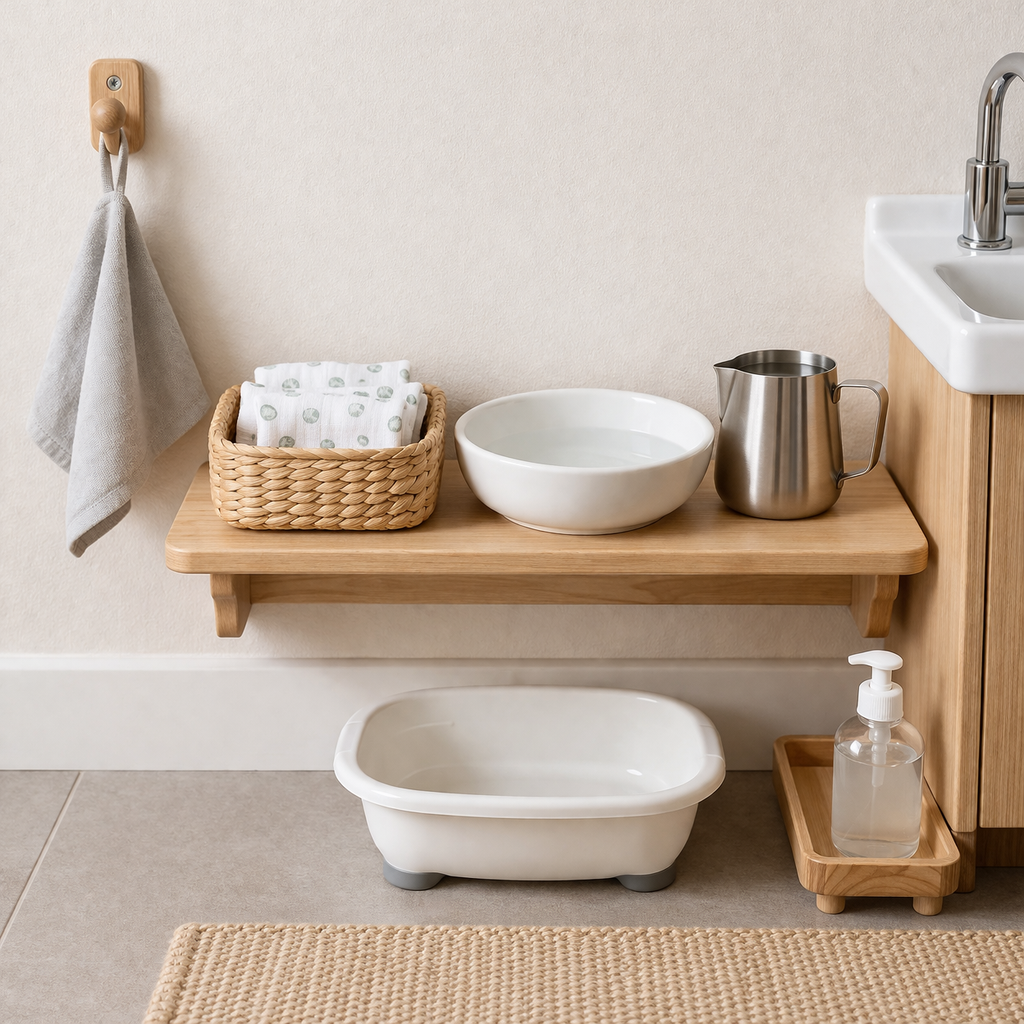
Some parents find that having a simple, child-sized cleaning setup keeps everything accessible and easy to use.
What matters most is:
👉 accessibility + consistency
When materials are always available, children are far more likely to use them. The same principle applies to the wider environment — including sleep spaces and bedrooms.
→ Montessori bedroom setup for toddlers
As your child grows, you can gradually introduce simple tools that allow them to take a more active role in caring for their environment. A small brush or child-sized cleaning set gives toddlers the opportunity to sweep, wipe, and tidy alongside you—turning everyday chores into meaningful learning experiences. In Montessori, this is known as practical life: real activities that build coordination, concentration, and a sense of responsibility. Rather than seeing cleaning as a task to avoid, children begin to view it as a natural and satisfying part of daily life.
→ View a child-sized cleaning set designed for independent use
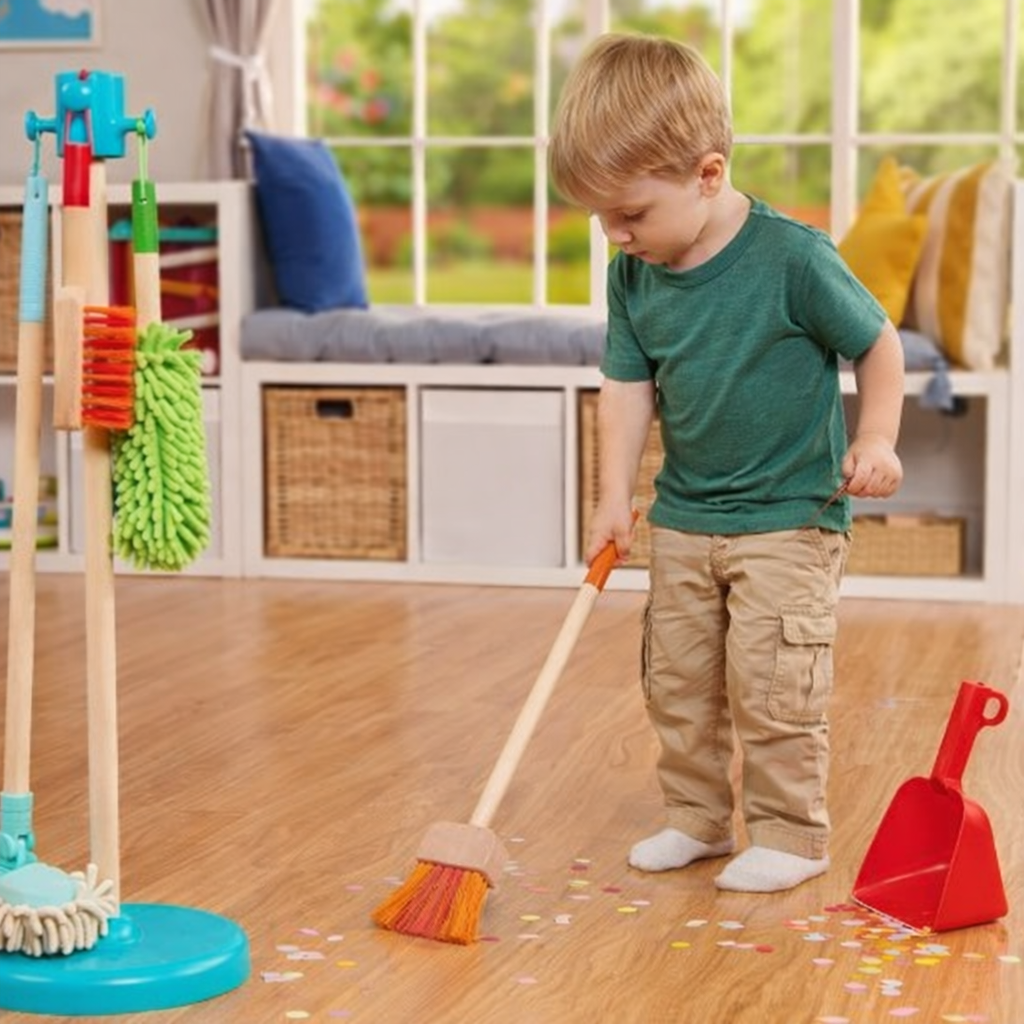
Why Cleaning Activities Often Calm Toddlers
Something many parents notice:
👉 toddlers often become calmer when given real, purposeful tasks
This is because practical life activities:
- provide structure
- involve repetition
- give a clear purpose
Instead of being told what not to do, children are shown what they can do.
That shift is powerful.
If your toddler is going through a phase of resistance or ignoring instructions, it often connects to this need for independence.
→ Why Your 2 Year Old Ignores You
The Key Montessori Shift
In the early months:
👉 tools support the parent
As your child grows:
👉 tools support the child
That shift is the foundation of Montessori.
You don’t need to do everything perfectly from the beginning.
You simply adapt the environment as your child becomes more capable.
Start Simple
You don’t need a full setup.
You don’t need special equipment.
You just need to begin noticing:
👉 where your child wants to participate
and gently make space for it.
Start with:
- one cloth
- one small space
- one simple routine
Because independence doesn’t appear all at once.
It grows — one small, everyday action at a time.
Supporting Independence Beyond Daily Tasks
Practical life doesn’t stop at cleaning and hygiene.
It continues into how toddlers play, move, and interact with their environment.
→ Explore simple Montessori tools that support independent toddler play