Separation Anxiety at 18 Months: What’s Normal and How to Respond Gently
One week your toddler is happily exploring the house on their own.
The next, they cry when you walk into the kitchen.
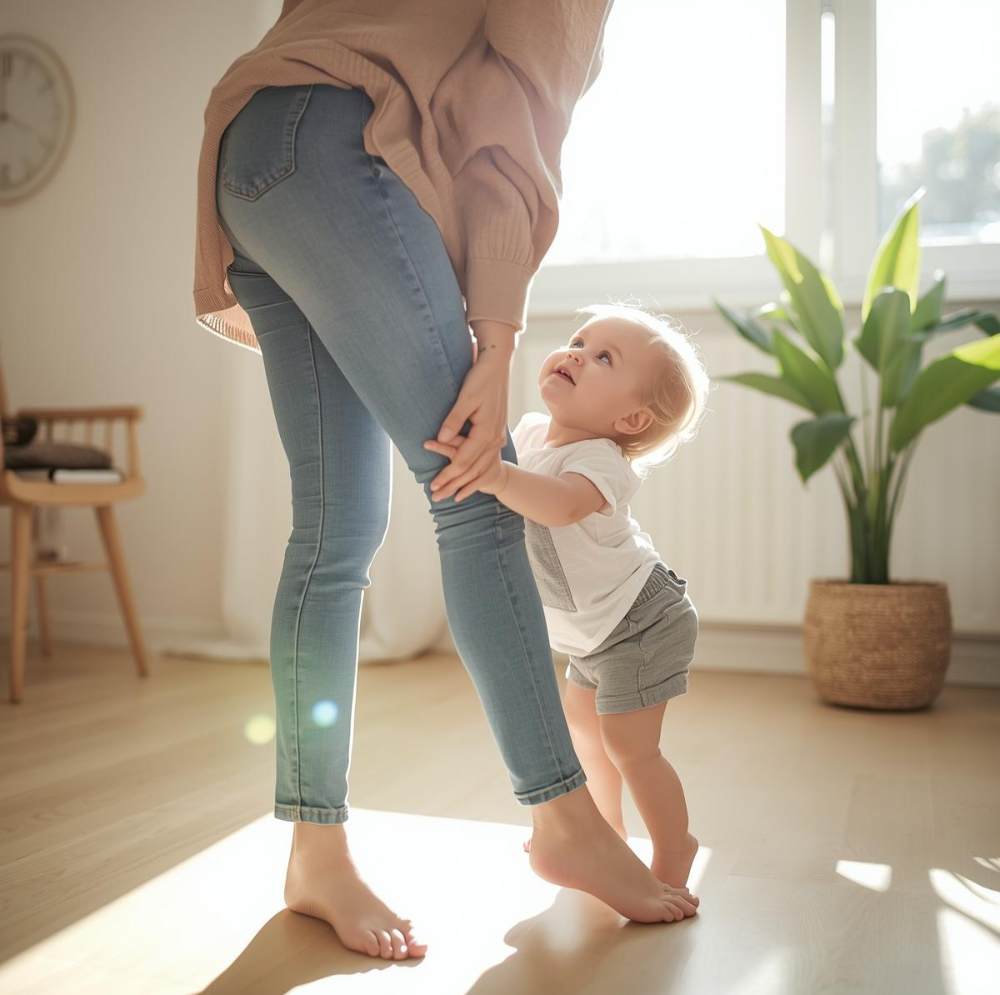
They suddenly want to be carried.
Even popping upstairs without them suddenly feels like a big deal.
If you’re wondering what changed, you’re not alone.
You start wondering:
“Have I done something wrong?”
Probably not.
Around 18 months, many toddlers become both more independent and more attached at exactly the same time.
It sounds contradictory.
But development often is.
Disclaimer: This post contains affiliate links. I may earn a small commission at no extra cost to you. As an Amazon Associate I earn from qualifying purchases.
Why Separation Anxiety Peaks at 18 Months
Around 18 months, your toddler is changing in ways that can seem surprisingly contradictory.
They want more independence than ever before.
They want to climb, explore, choose their own toys and do things by themselves.
At the very same time, they also become much more aware of your absence.
They now understand that you still exist even when you leave the room.
But they don’t yet understand when you’ll come back.
To them, a trip to the kitchen can feel just as uncertain as you leaving for the entire day.
That uncertainty is what makes separation feel so difficult.
It isn’t a sign that your toddler has suddenly become clingy or less confident. In many ways, this new awareness is a sign of healthy emotional development.
In fact, it often appears because they’re becoming more aware of the world around them while still relying on you as their safe place.
Like so many parts of toddlerhood, growing independence and growing attachment often happen side by side.
This stage often arrives alongside several other big developmental changes. If your toddler suddenly seems more emotional, frustrated or unpredictable in general, you may also find our guide to Why 18 Months Is So Hard helpful.
What Separation Anxiety Actually Looks Like
Separation anxiety doesn’t always look the way parents expect.
For some toddlers, it’s obvious.
They cry the moment you leave the room.
For others, it shows up in quieter ways.
You might notice your toddler:
- crying when you leave the room
- becoming upset at nursery or daycare drop-off
- wanting to be carried more often
- following you from room to room
- struggling to play independently
- waking more frequently at night
- becoming more upset by everyday transitions
A child who was previously happy to play alone may suddenly want to stay close to you throughout the day.
This stage often overlaps with other big developmental changes—including sleep regressions and language development—which can make everything feel more intense for a while.
Why 18 Months Feels Especially Intense
This age is a paradox.
Your toddler wants independence.
They want to climb, explore, choose, and assert preferences.
But they also need reassurance.
This push-pull dynamic can look like:
“I want to do it myself!”
Followed immediately by,
“Don’t leave me!”
Their emotional system is learning to handle separation — but it needs repetition and safety to do so.
How Long Does Separation Anxiety Last at 18 Months?
For most toddlers, separation anxiety peaks between 14 and 24 months.
It usually comes in waves.
You might notice:
- A few intense weeks
- Gradual improvement
- Brief regressions during growth spurts
Consistency matters more than speed.
The goal isn’t to eliminate anxiety overnight. It’s to help your child build trust through predictable experiences.
What Actually Helps Separation Anxiety at 18 Months
There isn’t a quick fix—and there doesn’t need to be. Separation anxiety is a normal part of development, not something to “cure”. The goal is to help your toddler feel safe enough to separate, one predictable experience at a time.
1. Keep goodbyes short and predictable
It’s tempting to sneak away while your toddler is distracted.
But disappearing without warning can increase anxiety long-term because it breaks trust.
Instead:
Say goodbye.
Keep it calm.
Keep it brief.
For example:
“I’m going to the kitchen. I’ll be back.”
Then follow through.
Repetition builds security.
Over time, your child learns:
“You leave. You return.”
2. Practice tiny separations
Gradual exposure is powerful.
Start small.
Step into another room for 30 seconds.
Return calmly.
Repeat.
Then extend to one minute.
Then two.
This creates dozens of tiny experiences of successful separation.
Confidence grows from repetition — not from forcing independence.
3. Make separation feel understandable
At 18 months, toddlers cannot understand abstract explanations like “I’ll be back soon.”
But they can understand visuals.
Some parents find that visual timers reduce anxiety during short separations because children can physically see time passing.
For example, if you’re working from home or cooking, you can set a short timer and say:
“When the red is gone, I’ll come back.”
If you’re unsure when or how to use them effectively, you might find this helpful:
→ When and How to Use Visual Timers for Toddlers
This isn’t a magic solution — but for some toddlers, predictability reduces distress.
4. Build confidence through independence
The more secure children feel, the easier it becomes for them to explore independently.
If your toddler struggles to engage alone, anxiety often feels stronger.
At 18 months, independent play doesn’t happen because we demand it.
It happens when the environment supports it.
Helpful adjustments include:
- Low, open shelving
- Only 2–4 toys visible at a time
- Clear play boundaries
- Rotating toys regularly
When choices feel manageable, concentration increases. And when concentration increases, separation feels less threatening.
Rotating just a few toys at a time can also make independent play feel much more manageable. Our guide to Toy Rotation That Actually Works explains a simple system that many families find easier to maintain.
You may also find this guide helpful:
→ How to Design a Play Space That Encourages Independent Play
5. Stay Calm During Big Emotions
If your toddler cries when you leave, your reaction matters more than their tears.
Avoid:
- Dramatic reassurance
- Excessive apologising
- Frantic comforting
Instead, acknowledge feelings calmly:
“You’re sad I’m leaving. I’ll be back.”
Your confidence communicates safety.
Children borrow regulation from us.
Bedtime Can Feel Harder Too
It’s very common for separation anxiety to become more noticeable at bedtime.
After a full day apart—or simply a full day of growing, learning and exploring—many toddlers suddenly want a little more reassurance before they fall asleep.
You might notice:
- bedtime resistance
- more frequent night waking
- wanting you to stay in the room for longer
- an increased need for cuddles or physical comfort
This is usually a time to lean into predictability rather than changing everything.
A familiar bedtime routine helps your toddler know what comes next, even when they’re feeling unsettled.
Try to keep the same sequence of calming activities each evening, while avoiding new habits that may be difficult to maintain once this phase has passed.
If you’d like some ideas, you might enjoy our guide to How to Build a Bedtime Routine That Fits Your Baby, where we explain why there’s no single “perfect” bedtime routine—only one that works for your child.
Some toddlers also feel more secure with a familiar comfort object, such as a favourite soft toy or blanket. We’ve had a lovely experience with Living Nature — soft toys. They’re beautifully made, wonderfully soft and durable enough to cope with everyday toddler life. It’s rarely the object itself that matters, but the consistency and familiarity it provides during moments of separation.
Finally, consider the sleep environment itself.
While many toddlers sleep happily in a dark room, others find complete darkness unsettling during this stage. A dim, warm-toned night light can sometimes provide enough reassurance without becoming stimulating.
If you’re considering one, look for:
a simple, calming design
warm amber or red light rather than bright white
adjustable brightness
If you’re looking for recommendations, you may also find our guide to → Best Low-Stimulation Night Lights for Toddlers Struggling to Sleep helpful.
What Not to Do
When your toddler is struggling with separation, it’s easy to react in ways that feel helpful in the moment but can make things harder over time.
Try to avoid:
- sneaking away without saying goodbye
- long, emotional goodbyes
- punishing clinginess
- forcing independence before your child is ready
- responding with frustration
Instead, aim for calm, predictable goodbyes and consistent reassurance.
Your confidence helps your toddler feel safe.
When To Seek Support
Separation anxiety is a normal part of development for many toddlers.
However, it’s worth speaking to your health visitor or GP if your child’s anxiety:
- is unusually intense or persistent
- significantly affects eating or sleeping
- continues well beyond the toddler years without improving
- regularly prevents everyday activities, such as nursery or leaving the house
For most children, separation anxiety gradually eases with time, reassurance and repeated experiences of safe separation.
Final Thoughts
Separation anxiety doesn’t mean your toddler is becoming less independent.
In many ways, it’s a sign that they’re ready to explore a much bigger world—while still checking that their safest person is close by.
Every calm goodbye, every predictable return and every familiar bedtime routine quietly teaches the same lesson:
The world is safe.
People leave.
People come back.
And little by little, that confidence grows.
Frequently Asked Questions
Is separation anxiety normal at 18 months?
Yes. Separation anxiety is a normal stage of emotional development that often becomes more noticeable between 14 and 24 months. As toddlers become more aware of the world around them, they also become more aware when their favourite people aren’t nearby. While it can be challenging, it’s usually a sign that your child’s understanding of relationships is developing.
Can separation anxiety start suddenly?
Absolutely. Many parents are surprised by how quickly it appears. A toddler who was happy to play independently one week may suddenly want to stay close to you all day. Development doesn’t always happen gradually, and periods of rapid change often arrive in waves.
How long does separation anxiety usually last?
Every child is different, but separation anxiety often comes and goes throughout the toddler years rather than disappearing all at once. Many children show the strongest signs between 14 and 24 months before gradually becoming more confident through repeated experiences of safe separation.
Does separation anxiety mean my toddler is too attached to me?
No. Strong attachment and growing independence develop alongside one another. In fact, children who feel securely attached often become more confident explorers because they know they have a safe person to return to when they need reassurance.
Should I sneak away to avoid upsetting my toddler?
Although it can feel tempting, quietly disappearing usually makes separation harder over time. Calm, predictable goodbyes help your toddler learn that you leave—and that you always come back.
Can separation anxiety affect sleep?
Yes. Many toddlers become more unsettled at bedtime or wake more often overnight during periods of separation anxiety. Keeping bedtime routines calm and predictable can help them feel more secure while this stage passes.
When should I be concerned about separation anxiety?
For most toddlers, separation anxiety is a normal part of development. However, it’s worth speaking to your health visitor or GP if the anxiety is unusually intense, continues well beyond the toddler years without improving, or regularly prevents everyday activities despite gentle, consistent support.
What’s the best way to help a toddler with separation anxiety?
There isn’t a quick fix, but there are gentle ways to build confidence over time. Short, predictable separations, calm goodbyes, consistent routines and opportunities for independent play all help children learn that separation is temporary and that their trusted adult will always return.
You Might Also Find Helpful