Why Is My Toddler So Clingy? (8 Common Reasons and What Actually Helps)
If you’re wondering why your toddler is so clingy all of a sudden, you’re not alone.
Toddlers don’t become clingy for no reason.
One week they play independently.
The next, they won’t leave your side.
They want to be held.
They follow you into every room.
They cry when you step away — even briefly.
It can feel sudden and confusing.
But clinginess is rarely regression.
It’s development.
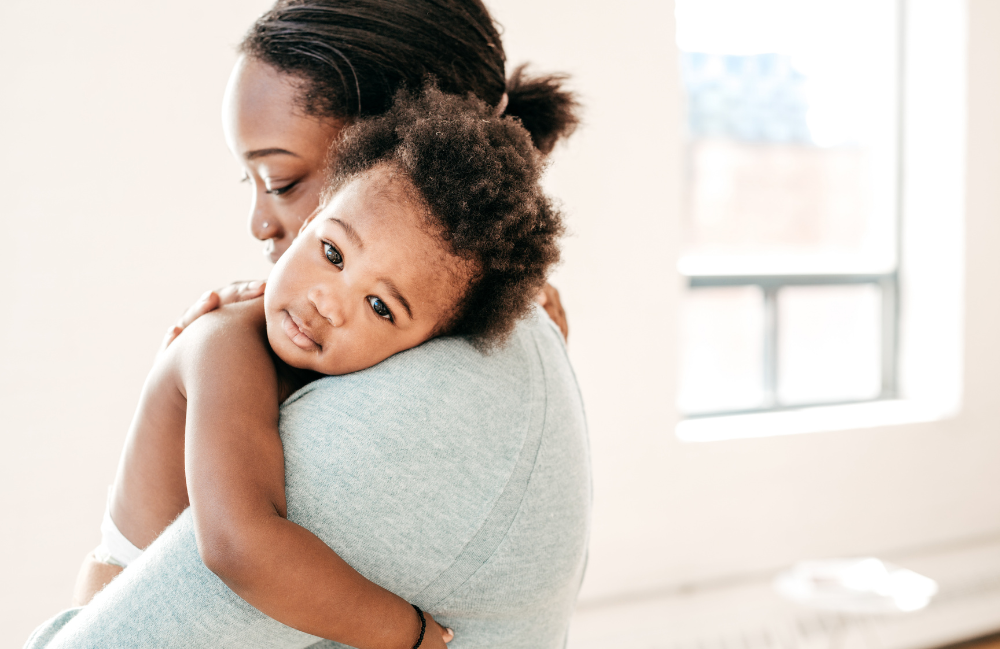
Why Toddlers Suddenly Become Clingy
If your toddler has suddenly become much clingier than usual, it’s easy to assume something is wrong.
In reality, clinginess is often a sign that something important is changing—not necessarily that something is going wrong.
Toddlers don’t suddenly become clingy “for no reason.” More often, they’re responding to changes in their development, their environment or the way they’re experiencing the world around them.
Sometimes the reason is obvious, such as recovering from an illness or adjusting to a new routine. Other times, it can appear almost overnight as your toddler reaches a developmental milestone or becomes more aware of being separated from you.
The reassuring news is that these clingy phases are incredibly common. Most are temporary, and many are actually signs that your child is growing exactly as they should.
Here are some of the most common reasons toddlers suddenly become clingy.
1. Developmental Leaps
Rapid brain development often makes toddlers seek extra reassurance.
As they learn new words, understand more about the world and develop new skills, they can also feel temporarily overwhelmed. It’s common for children to become more emotional and clingy while their brains are processing these big changes.
Related: 18 Month Old Mood Swings: What’s Normal and What Helps
2. Separation Anxiety
Around 18 months, many toddlers develop a much stronger awareness that parents can leave.
Even though you’ve always returned before, they now understand that separation is possible—and that can feel unsettling.
Following you from room to room, crying when you leave or refusing to be put down are all common ways toddlers seek reassurance during this stage.
Related: Separation Anxiety at 18 Months: What’s Normal and How to Respond Gently
3. Overtiredness
A tired toddler often becomes a clingy toddler.
When children are overtired, they’re much less able to regulate their emotions and cope with everyday frustrations. Many seek extra comfort and physical closeness, especially in the evenings.
If your toddler also becomes unusually energetic before bed, overtiredness may be playing a bigger role than you realise.
Related: 18 Month Old Hyper Before Bed? The Surprising Reason
4. Illness, Teething or Feeling Under the Weather
Even mild illnesses or teething can temporarily increase your toddler’s need for comfort.
When children don’t feel their best, they naturally look to the people who make them feel safest.
Extra cuddles during these periods are completely normal.
5. Big Changes to Their Routine
Travel, moving house, starting nursery, welcoming a new sibling or even a busy family weekend can leave toddlers feeling less secure than usual.
Predictable routines help children feel safe, so even positive changes can temporarily increase clinginess.
6. Growing Independence
One of the biggest contradictions of toddlerhood is that children often become clingier just as they’re becoming more independent.
They desperately want to do things for themselves, yet they also want the reassurance that you’re close by if needed.
This push and pull is a completely normal part of development.
Related: What to Say When Your Toddler Says “No”
7. Big Emotions
Toddlers experience powerful emotions long before they know how to manage them.
After a difficult day, a meltdown or an overwhelming experience, many children simply need extra connection while their nervous system settles again.
Related: 7 Powerful Toddler Tantrum Calm Down Tools
8. A Strong Preference for One Parent
Many toddlers go through phases of strongly preferring one parent over the other.
Although this can be difficult for everyone involved, it usually reflects where your child currently feels safest rather than a rejection of the other parent.
These preferences often shift naturally over time.
Related: Why Toddlers Cling to Mum — Especially When She’s Exhausted
How to Handle Toddler Clinginess (Without Making It Worse)
Clinginess at this age isn’t something to fix.
More often, it’s something to respond to with calm, consistency and connection.
The goal isn’t to stop your toddler needing you—it’s to help them feel secure enough to become independent again.
Here are the approaches we found most helpful.
1. Increase Predictability
Clinginess often increases when toddlers feel uncertain about what comes next.
Simple, familiar routines help children feel safe and reduce the need to constantly check that you’re nearby.
Try to:
- Keep mornings and bedtimes reasonably consistent.
- Use simple language before transitions.
- Narrate where you’re going: “I’m just going to the kitchen. I’ll be right back.”
A predictable daily rhythm doesn’t need to be rigid. It simply gives toddlers confidence that the day makes sense.
If you’d like an example, our guide to A Simple Montessori Toddler Daily Routine for Calm Days shares a gentle rhythm that supports both security and independence.
2. Practise Short Separations
Instead of avoiding separation completely, practise tiny, low-pressure moments.
Start small:
“I’m going to the bathroom. I’ll be back in one minute.”
Then return exactly as you promised.
Each successful reunion quietly reinforces the same message: People leave—and they come back.
3. Never Sneak Away
It can be tempting to disappear while your toddler is distracted.
In the short term, this may seem easier.
In the long term, unexpected disappearances often make toddlers more anxious because they begin checking more frequently to make sure you’re still there.
Instead:
- Say goodbye.
- Keep it brief.
- Leave confidently.
- Return when you said you would.
Predictability builds trust.
4. Fill Their “Connection Cup” First
Clinginess often increases when toddlers need reassurance before they feel ready to explore independently.
Sometimes five minutes of uninterrupted attention makes a bigger difference than twenty minutes of trying to encourage independent play.
Before a transition, try:
- A short cuddle.
- Five minutes of uninterrupted play.
- Eye contact and conversation.
- Reading a favourite book together.
A child who feels emotionally connected is often much more willing to separate.
5. Validate the Feeling, Hold the Boundary
Avoid labelling your toddler as “clingy.”
Instead of saying:
“You’re being too clingy.”
Try:
“You want to stay close to me. I’m right here.”
Acknowledging the feeling doesn’t mean changing the boundary.
It simply helps your toddler feel understood before moving forward.
If you’re looking for more everyday phrases like these, our guide to Why Toddlers Respond Better to Guidance Than “No” shares simple language that reduces power struggles while supporting your child’s growing independence.
The Reassurance Every Parent Needs
Clingy phases can feel intense while you’re living through them, but they’re rarely a step backwards.
More often, they’re a sign that your toddler is growing, stretching and relying on you while they adjust to new experiences.
Whether the clinginess is caused by a developmental leap, separation anxiety, overtiredness or a recent change in routine, your calm, predictable presence gives your child the confidence to explore again when they’re ready.
One day you’ll notice they wander into another room without checking where you are.
Not because you pushed them away.
But because you stayed close when they needed you most.
You Might Also Find Helpful