Best Gifts for 1 Year Olds That Actually Get Used (Simple Picks)
Buying gifts for a one-year-old sounds simple—until you realise how quickly many toys get forgotten.
At this age, toddlers learn through movement, repetition and hands-on exploration. They want to carry things across the room, stack them, empty containers, push, pull and repeat the same actions over and over again.
That’s why the toys that get used most are often much simpler than people expect. Rather than flashing lights or endless buttons, the best gifts encourage independent exploration, grow alongside your child and continue to feel interesting long after the excitement of opening them has passed.
We’ve included the toys we’ve found ourselves returning to most often—beautifully made, genuinely engaging and well suited to this stage of development.
Disclaimer: This post contains affiliate links. As an Amazon Associate I earn from qualifying purchases at no extra cost to you.
Why Some Toys Hold Attention Longer Than Others
Many modern toddler toys simply do too much.
The toys that tend to hold a one-year-old’s attention longest are often the opposite: simple enough to understand quickly, yet open-ended enough to be used in different ways as new skills emerge. Repetitive activities like stacking, posting, carrying, sorting and filling may look ordinary to adults, but they’re exactly the kind of play that helps toddlers build coordination, concentration and confidence.
That’s the thinking behind every recommendation in this guide.
If your toddler quickly loses interest in toys, this may help too → Montessori Toy Rotation: The Simple System That Keeps Toddlers Engaged
For Toddlers Constantly On The Move
Hape Walk Along Puppy Pull Toy
Once toddlers begin walking confidently, many seem to want to move almost constantly — exploring rooms, transporting objects and repeating the same movements again and again.
Pull-along toys often work especially well at this stage because they give toddlers a simple sense of purpose while moving independently.
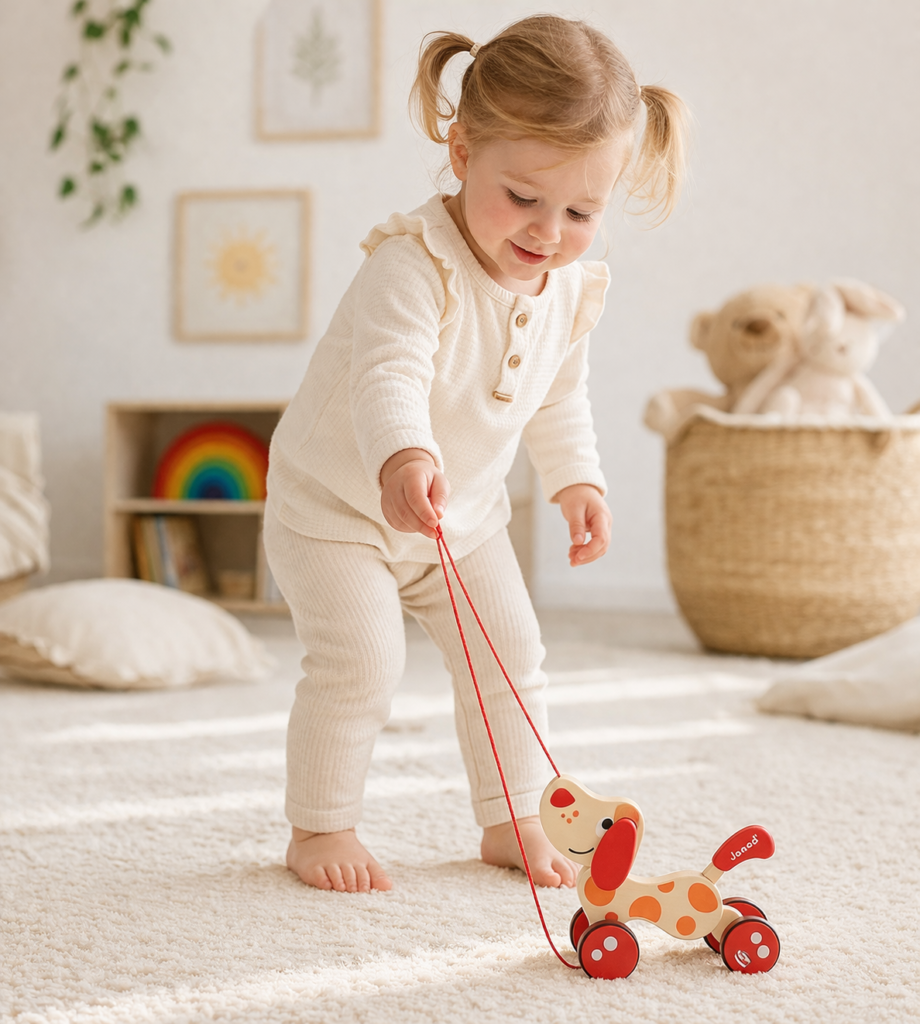
We liked the Hape Walk Along Puppy Pull Toy because it stays very simple, without flashing lights or overwhelming features competing for attention.
The repetitive pull-and-follow motion also tends to feel surprisingly satisfying at this age, especially for toddlers who prefer active, movement-based play over sitting with one activity for long periods.
And unlike many larger activity toys, it is simple enough to become part of everyday play around the house rather than something toddlers quickly lose interest in.
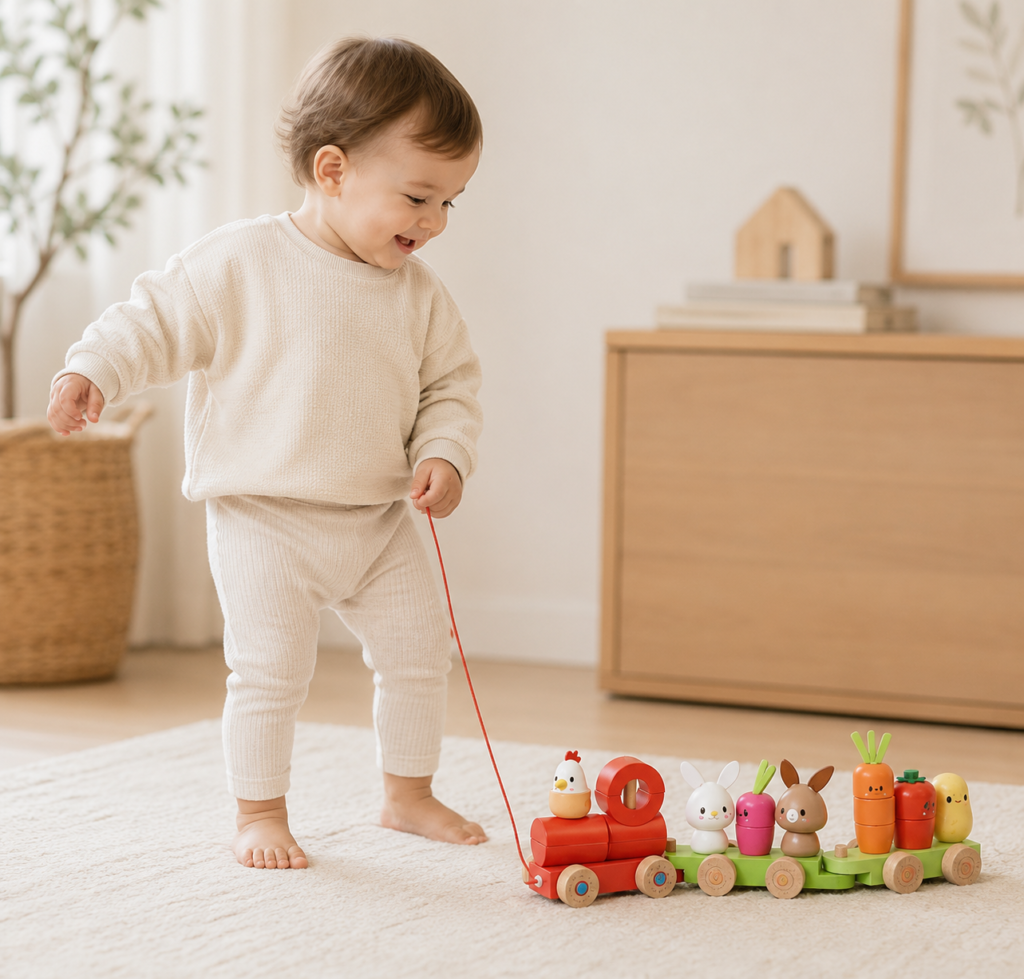
Janod – Wooden Pull-along Train
For something with a little more character, the Janod Wooden Pull-Along Train pairs early walking with gentle imaginative play, making it a toy many toddlers continue enjoying long after those first steps.
For Active Play and Family Games
Jaques Wooden Animal Skittles Game
Some of the best gifts for one-year-olds are the ones that encourage movement while still being simple enough for young children to enjoy successfully.
This colourful wooden skittles set introduces toddlers to the fun of rolling, aiming and knocking things down — an activity many children naturally find exciting at this age. Younger toddlers may enjoy helping to set up the animals, carrying them around the room and celebrating every fallen skittle, while older toddlers gradually begin developing more control and accuracy when rolling the ball.
Jaques Wooden Animal Skittles Game
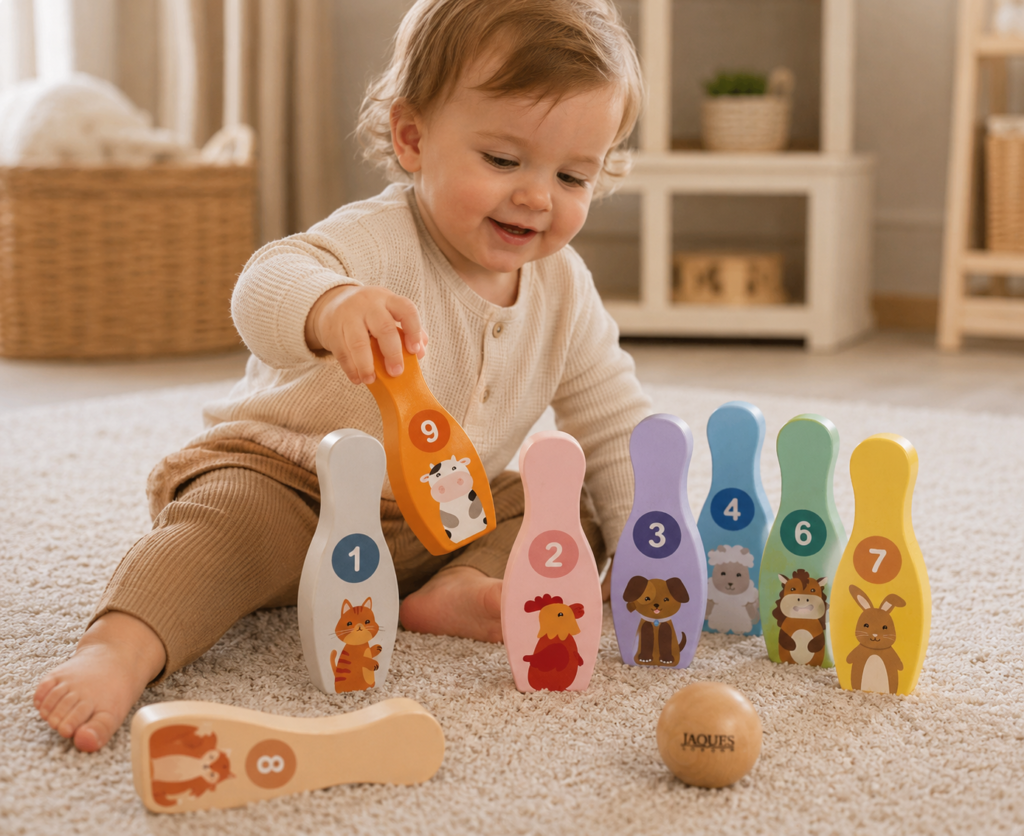
We particularly like that it encourages active play and can easily be enjoyed with parents, siblings or visiting friends. Unlike many toys that are quickly outgrown, simple games like skittles often remain enjoyable as children get older and begin introducing their own rules and challenges.
The charming animal characters and gift-ready presentation also make it a lovely option if you’re looking for a first birthday present that feels a little more special than an everyday toy.
The Toy Toddlers Return To Again and Again
Jaques of London Wooden Shape Sorter
Some toys stay interesting for a few days. Others quietly become part of everyday play for years.
The Jaques of London Wooden Shape Sorter tends to fall into the second category because it matches how many one year olds naturally play — posting objects, taking them out again and repeating the same actions over and over.
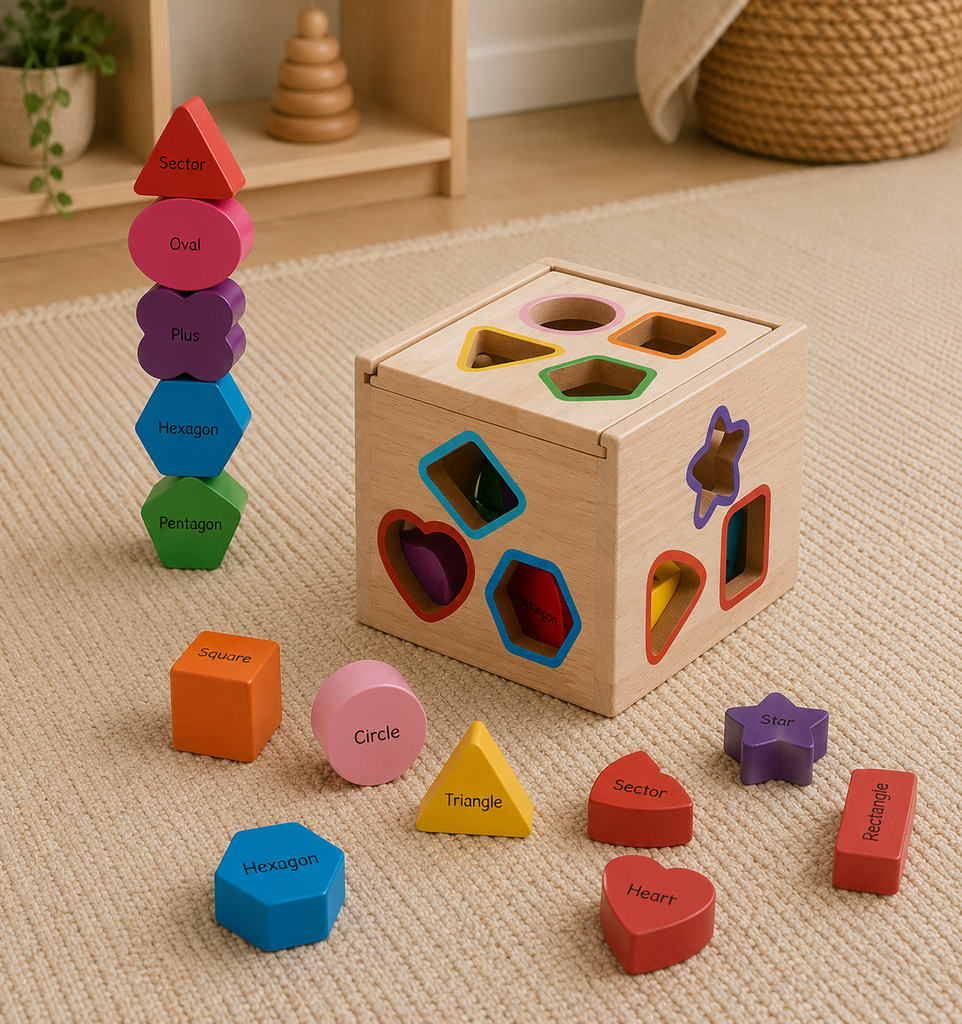
We liked it because the toy is simple enough for toddlers to explore independently through trial and error, while still growing with them over time through sorting, stacking and more open-ended play.
This often works especially well for toddlers who already enjoy container play and repetitive hands-on activities.
For Imaginative Play
Wooden Noah’s Ark
Many one-year-olds are just beginning to move beyond purely sensory play and show an interest in simple pretend play, transporting objects and exploring how things fit together.
A wooden Noah’s Ark combines several of these interests in one toy. Toddlers can load and unload the animals, place them inside the ark, move them around the room and gradually begin creating their own simple stories as language develops.
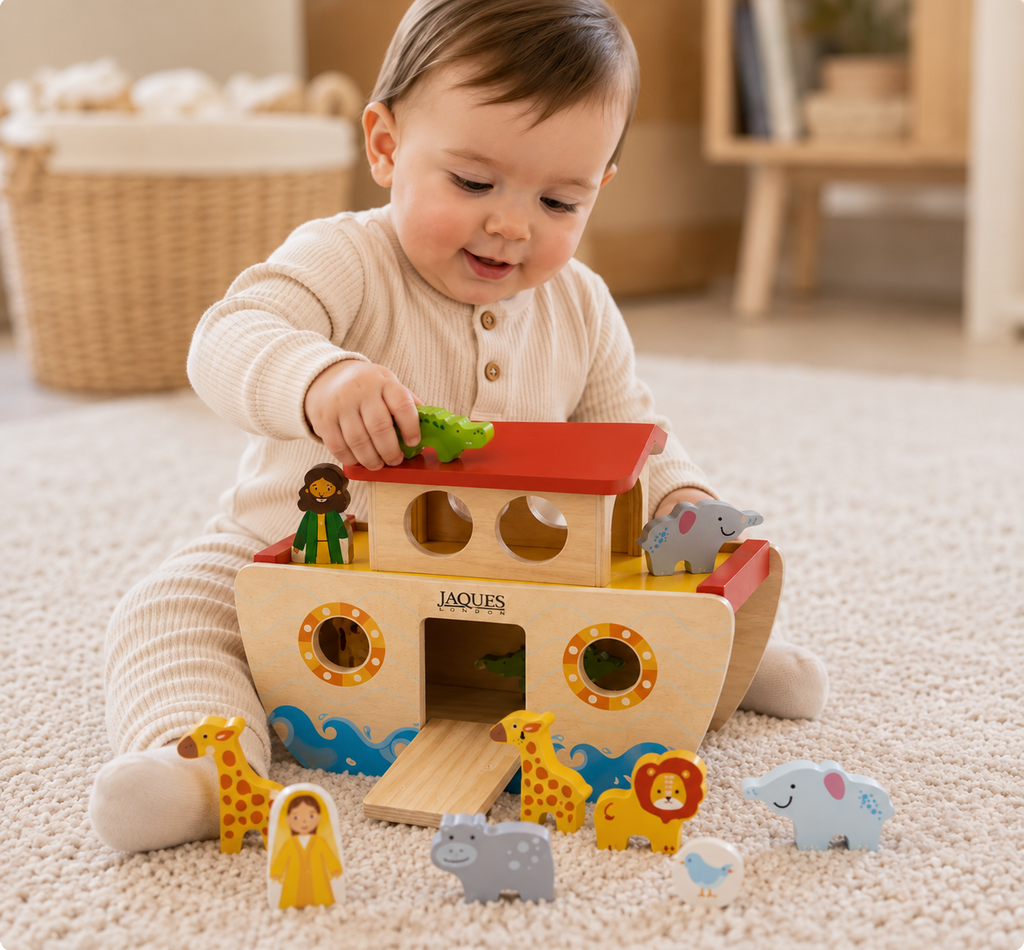
We particularly like wooden animal toys because they tend to remain relevant for years. At first, babies may simply enjoy holding, transferring and posting the animals. Later, the same pieces often become part of imaginative play, animal matching activities and storytelling games.
The chunky wooden figures are easy for little hands to grasp, helping develop hand-eye coordination and fine motor skills while encouraging independent play without lights, sounds or overstimulation.
Wooden Train Set
Some toys have a way of quietly becoming part of everyday play, and this was one of them. Our daughter loved rearranging the track, pushing the little train around the loop and stopping to wave at each of the wooden figures before setting off again. Even now, she still enjoys rebuilding the layout in different ways and inventing new little journeys.
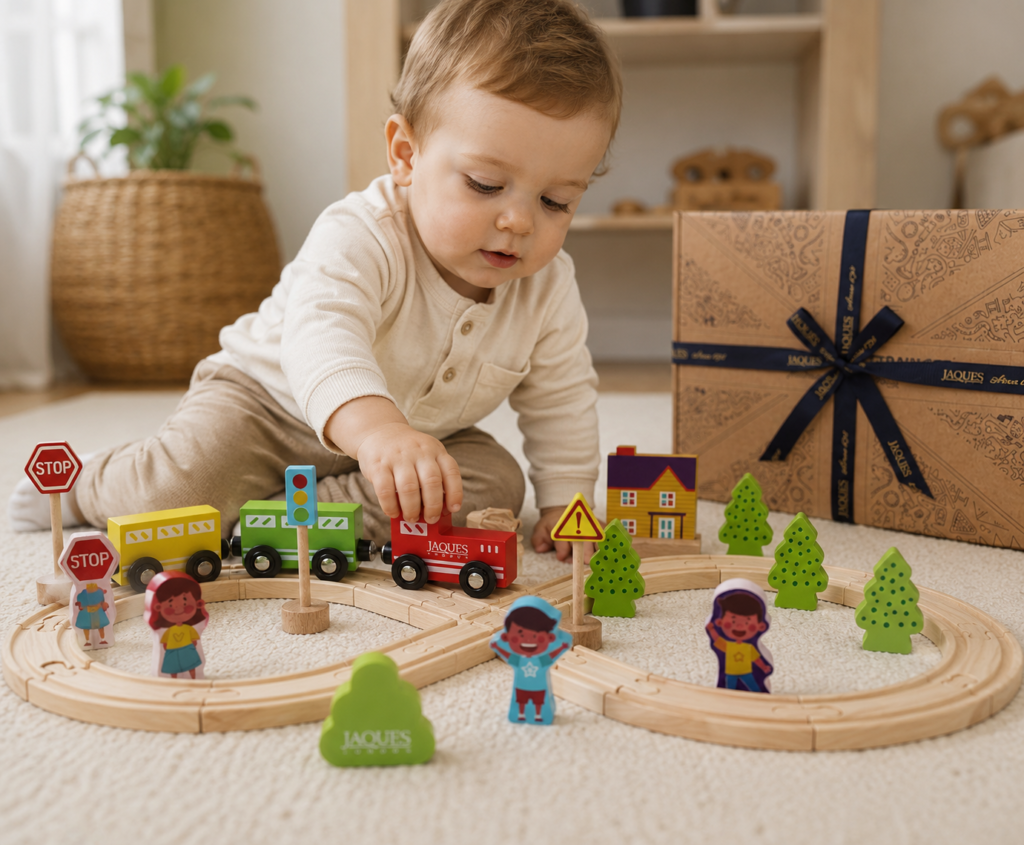
The colourful signs, trees and people encourage storytelling alongside construction, while the magnetic train is easy for small hands to connect independently. We also appreciated the thoughtful presentation—the gift box feels genuinely special and makes it an easy present to give.
Rather than being a toy with just one way to play, it grows naturally alongside your child’s imagination, making it one we’ve found ourselves returning to long after many novelty toys were forgotten.
For Stacking, Rebuilding and Repetition
Hape Maple Wooden Blocks Set
Simple wooden blocks often become some of the most used toys in a toddler home because there is no single “right” way to play with them.
Toddlers naturally stack, balance, carry, knock things down and rebuild again and again, which is often what keeps block play engaging for such a long time.
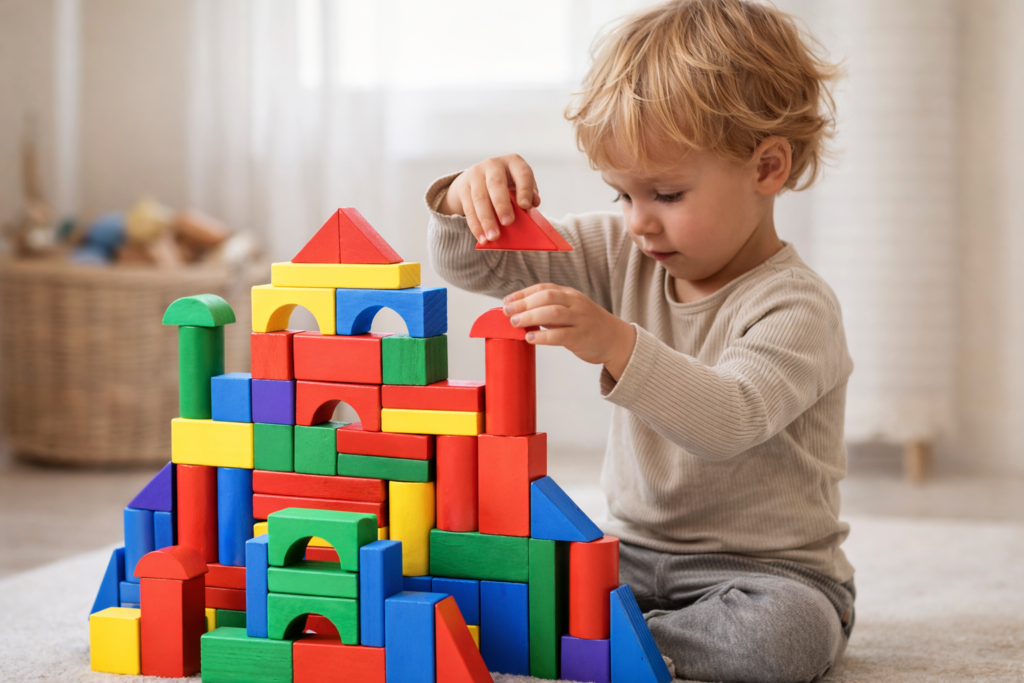
We liked the Hape Maple Wooden Blocks Set because the pieces are simple, durable and easy for small hands to use independently without becoming overstimulating.
As our daughter got older, the blocks gradually became much more than a stacking toy. She now uses them to build houses, barns and small enclosures for her toy animals, often creating simple farm scenes and imaginative worlds of her own. Because the blocks can be combined with so many other toys, they have remained useful long after the initial stacking phase.
And over time, what begins as simple stacking often slowly develops into more imaginative and open-ended play too.
For Hand-Eye Coordination and Early Learning
Hook a Duck Magnetic Fishing Game
Fishing games are one of those toys that can remain engaging across several stages of development.
For younger toddlers, the challenge is often simply learning how to connect the magnetic rod to the ducks. This helps develop hand-eye coordination, concentration and the ability to control movements with increasing precision.
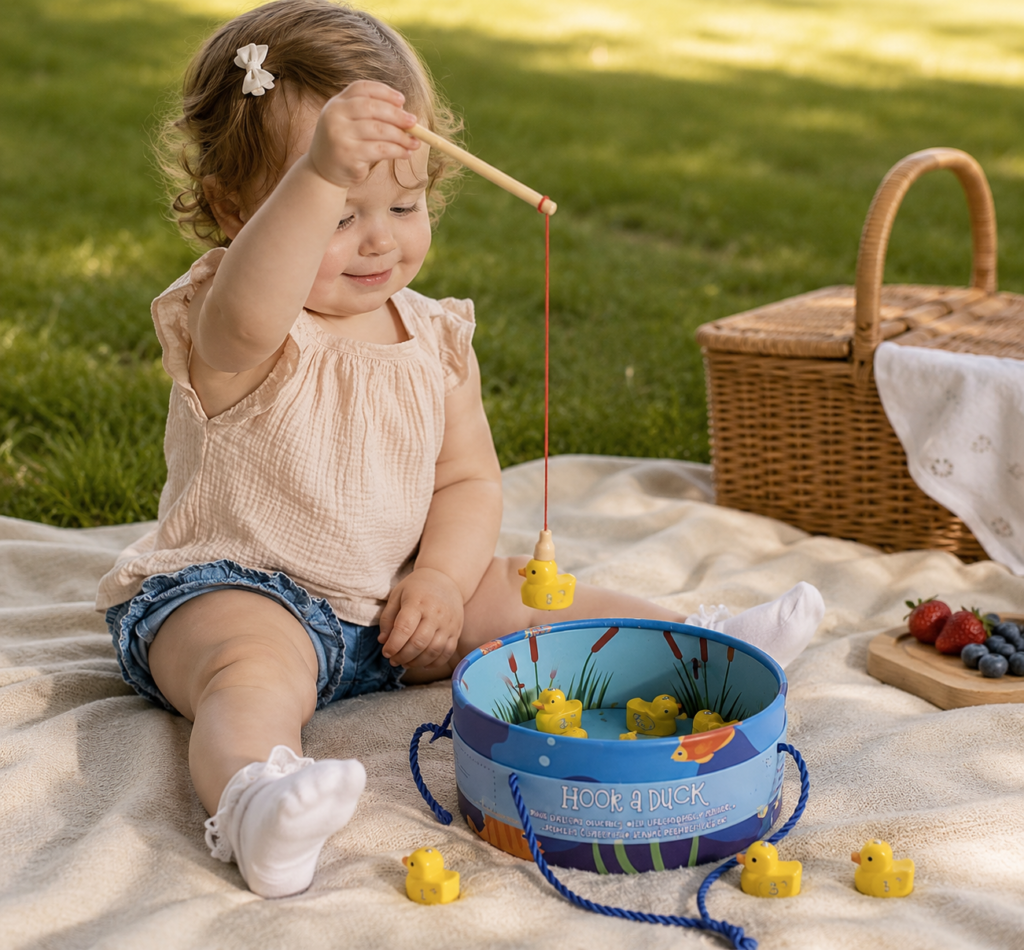
As children grow, the game can evolve alongside them. The included counting cards introduce opportunities for simple number recognition, matching and early maths concepts, allowing the same toy to remain relevant beyond the toddler years.
We also like that it works equally well as an independent activity or as a simple game to enjoy with siblings, friends or family. Younger toddlers may focus on catching the ducks, while older children often begin counting their catches, matching colours and creating their own rules.
Because the game combines movement, coordination and learning without relying on screens or overstimulation, it is one of those toys that tends to stay useful for much longer than you might initially expect.
A Calmer Kind of Play
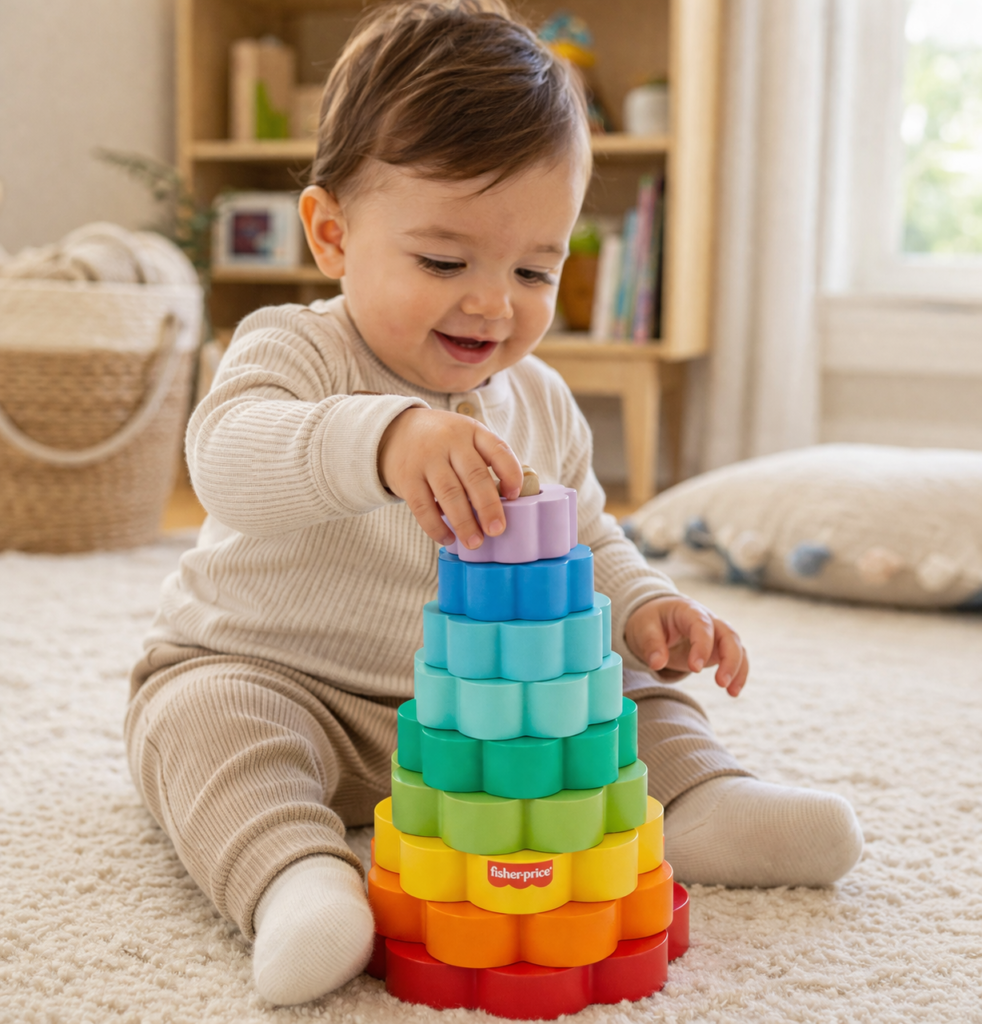
Fisher-Price Wooden Stacking Rings Toy
Stacking toys often work especially well at this age because they naturally encourage repetition, and repetition is how many toddlers learn best.
Simple actions like lifting, placing and trying again help build coordination and confidence without the activity feeling too overwhelming.
We liked the Fisher-Price Wooden Stacking Rings because the play stays simple and predictable, allowing toddlers to focus on one clear task at a time while still exploring independently.
And because the movements repeat so naturally, many children find this kind of play surprisingly calming and absorbing.
A Beautiful Toy That Grows With Them
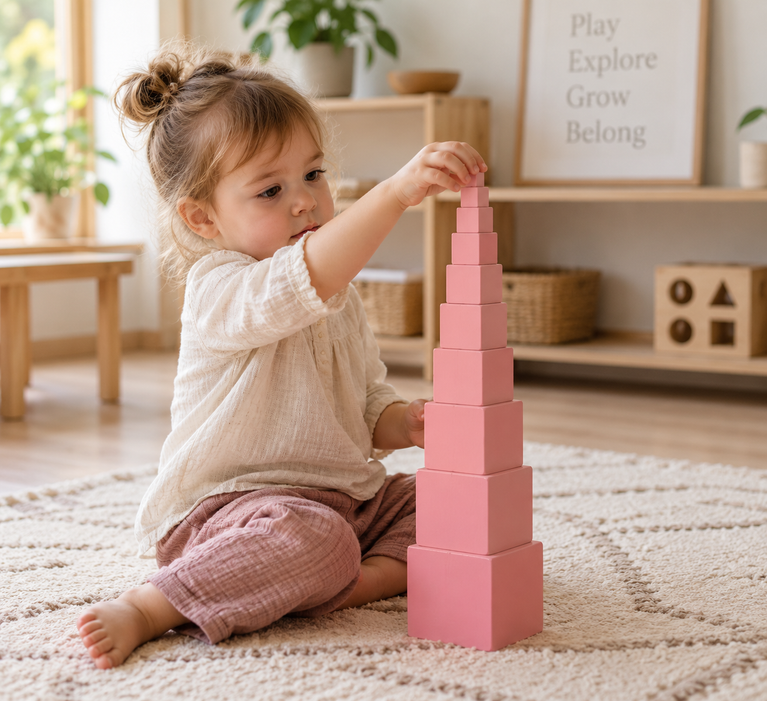
Jaques of London Rainbow Stacking Tower
Some toys stay interesting for a few weeks. Others quietly evolve alongside the child for years.
The Jaques of London Rainbow Stacking Tower tends to fall into the second category because there is no single “correct” way to use it.
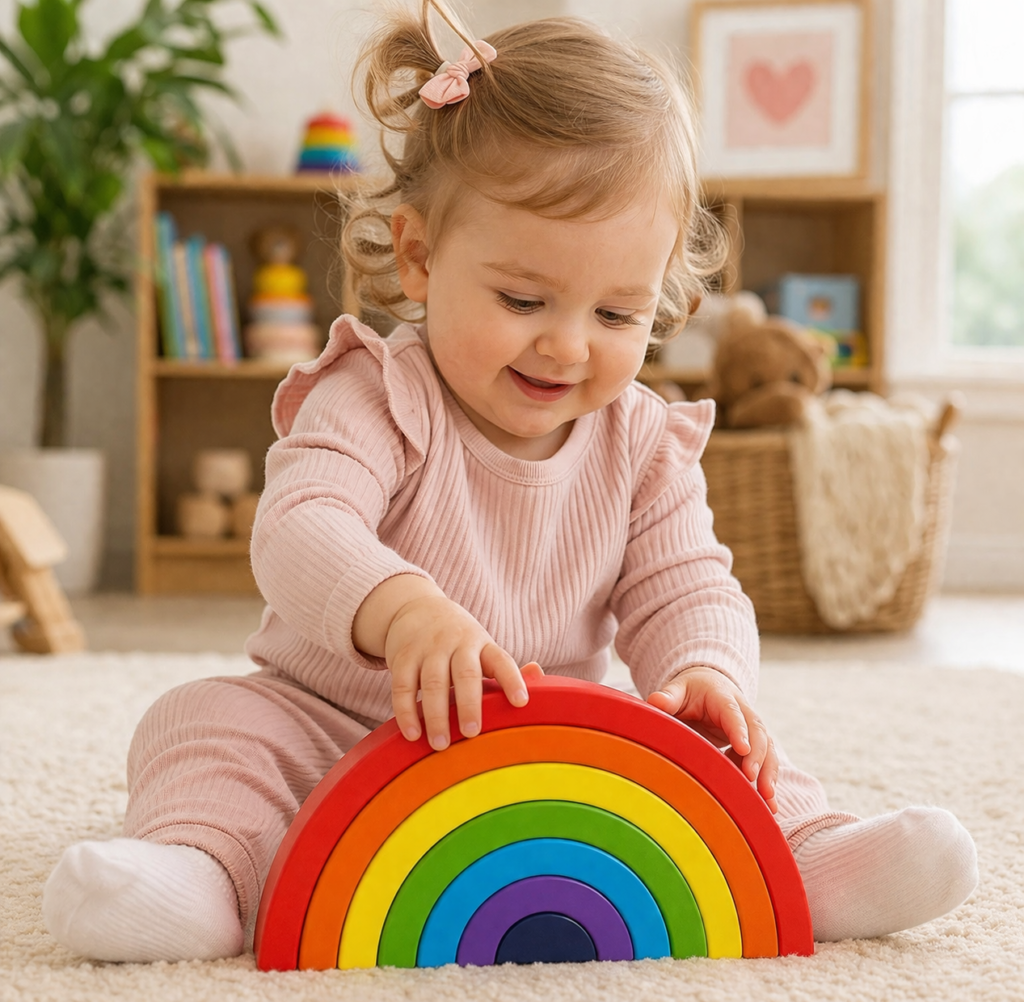
At one year old, toddlers often begin by stacking, balancing and carrying the pieces through simple trial and error. Over time, the same toy gradually becomes part of more imaginative and open-ended play too.
We liked this set because the pieces feel simple and calming rather than overly bright or overstimulating, which also makes it one of the easier toys to leave out in a shared living space.
And because the play changes naturally with age, it often becomes the kind of toy families keep for years — something that quietly ends up feeling more like a keepsake than a short-lived toddler toy.
For Parents, Too
On the Night You Were Born by Nancy Tillman
Not every first birthday gift needs to be something a one-year-old can immediately stack, push or play with.
A beautiful book can become part of the quieter moments too — particularly the stories parents find themselves reaching for at bedtime again and again.
On the Night You Were Born is a lovely choice for a first birthday because its message is really about celebrating the child themselves. It has that keepsake quality that makes it feel more special than an everyday board book, while still being something you can actually read together.
View On The Night You Were Born
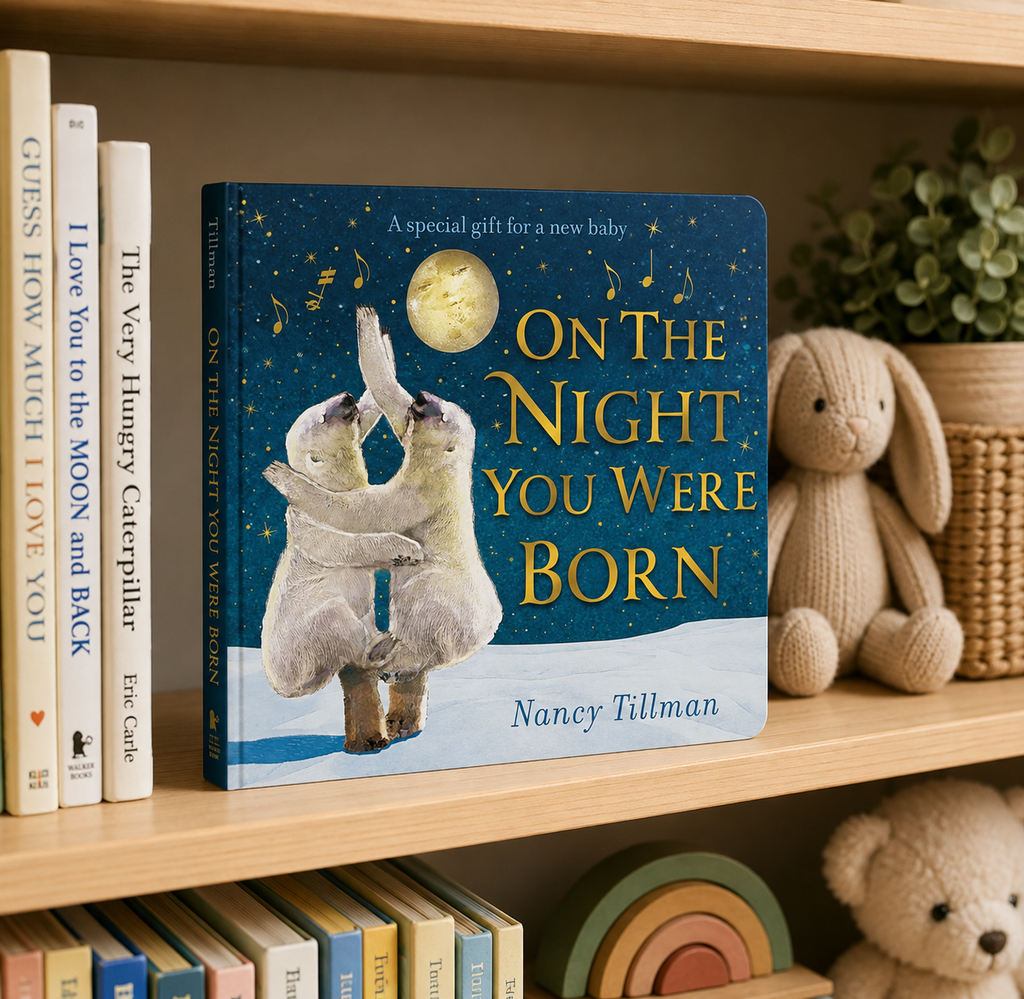
At one, they may be more interested in turning the pages and looking at the pictures. A few years later, they’ll begin to understand the meaning behind the story.
It’s one of those gifts that grows with them — and perhaps means just as much to the parent reading it.
A Toy They Use Differently As They Grow
Stacking and nesting toys often stay interesting for much longer than expected because toddlers naturally find new ways to use them over time.
At first, many children simply stack, sort and knock pieces down again and again. Later, the same pieces often become part of more imaginative and open-ended play too.
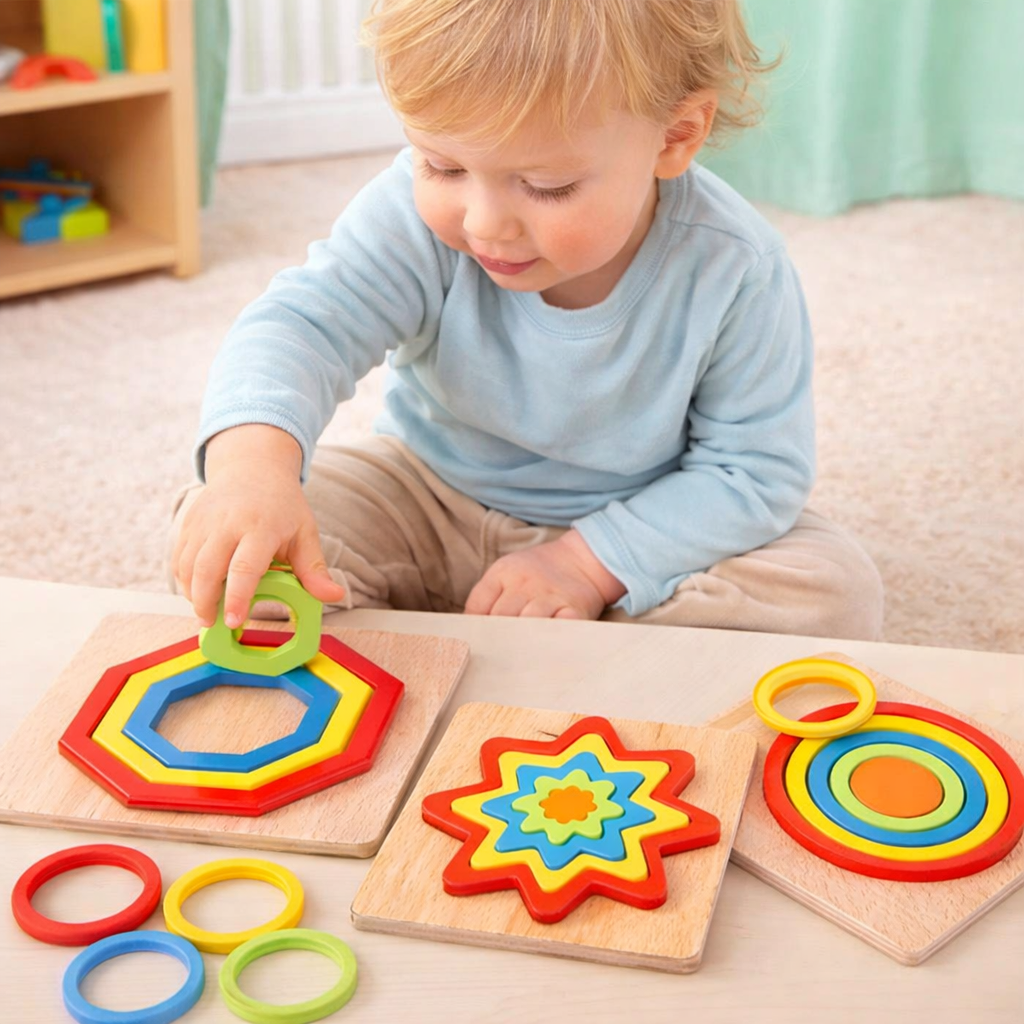
We liked the Jaques of London Educational Wooden Puzzle Set because the pieces feel simple, calming and easy for small hands to explore independently.
Like many Jaques of London toys, it also arrives beautifully presented in a sturdy gift box, making it a lovely option if you’re buying for a birthday or special occasion.
And because there is no single “correct” way to play with it, this often becomes the kind of gift toddlers return to repeatedly without getting bored quickly.
If you’re unsure, start here
If you only buy one or two gifts, simpler toys usually work best at this age.
Shape sorters, stacking toys and wooden blocks tend to stay in rotation because they match the way many one year olds naturally play — repeating actions, exploring cause and effect, and building coordination through movement and hands-on experimentation.
They are also easier for toddlers to use independently without becoming overwhelmed too quickly, which often leads to calmer and more focused play overall.
And in many homes, these quietly become the toys children return to every single day rather than losing interest after a week.
At around one year old, toddlers are in a stage psychologists sometimes call “schema play.” This means they naturally repeat certain actions — like stacking, carrying, posting, opening, or transporting objects — because the brain is actively practising and organising new concepts through movement.
What looks repetitive to adults is often deep learning for toddlers.
Final Thoughts
A lot of toys for 1 year olds lose attention quickly because they try to do too much.
Too many features, too much stimulation, or toys that leave very little for the child to actually explore themselves often become overwhelming rather than engaging.
The toys that tend to last are usually much simpler.
A clear purpose.
Repeatable play.
Just enough challenge to keep toddlers curious without causing frustration.
That balance is often what keeps children coming back to a toy again and again.
Shopping on Amazon?
If you’re not already a Prime member, you can check whether you’re eligible for a free 30-day trial and enjoy Prime delivery on millions of eligible items.
FAQs
What are the best gift ideas for a 1 year old?
The best gifts for a 1 year old are usually simple, open-ended toys that support movement, coordination and hands-on exploration.
Stacking toys, shape sorters, blocks, books and simple push toys often get used far more than complicated or overstimulating toys because they match the way toddlers naturally learn at this age.
What should I buy a 1 year old that they will actually use?
At this age, toddlers are usually drawn to repetition.
Toys that allow them to stack, post, open, close and repeat the same actions again and again often end up being used daily because they support the kinds of movement and experimentation toddlers are naturally interested in.
What gifts do 1 year olds play with the most?
Simple, hands-on toys usually hold attention longest.
Stacking rings, blocks, shape sorters and pull-along toys tend to work especially well because they encourage movement, repetition and independent exploration without overwhelming toddlers with too many features.
What should I avoid when buying gifts for a 1 year old?
Toys with lots of lights, sounds or complicated features can sometimes become overwhelming at this age.
In many cases, simpler toys hold attention much longer because they leave more room for toddlers to explore and experiment independently.
Are Montessori toys better for 1 year olds?
Montessori-style toys can work especially well for one year olds because they are usually simpler, calmer and designed to support independent exploration.
But the label itself matters less than choosing toys that feel manageable, purposeful and open-ended for your child’s stage of development.
How many toys does a 1 year old actually need?
Usually far fewer than people expect.
A smaller number of thoughtful toys often leads to calmer, more focused play than constantly having lots of choices available at once.
What is a good budget-friendly gift for a 1 year old?
Many of the toys toddlers use most at this age are actually very simple.
Basic stacking toys, books, blocks and posting activities are often just as engaging as more expensive toys because toddlers are usually more interested in repetition and movement than complex features.
Do 1 year olds prefer simple toys?
In many cases, yes.
At this age, toddlers are still learning through repetition, movement and trial-and-error play. Simpler toys are often easier to understand and use independently, which usually makes them more engaging over time.
What are some non-toy gift ideas for a 1 year old?
Books, practical everyday items and simple experiences can all make lovely gifts at this age too.
Things like child-sized cups, plates, memberships or toddler classes often become part of everyday life in a way many toys do not.
Why do some toys get ignored by 1 year olds?
Often because they feel either too complicated, too overstimulating or slightly beyond a toddler’s current stage of development.
Toys that match how toddlers naturally play — through repetition, movement and hands-on exploration — usually hold attention for much longer.
You Might Also Find Helpful