
Montessori Feeding Tools for Toddlers Learning to Eat Independently
Helping your toddler learn to feed themselves? These Montessori feeding tools support independent eating for toddlers aged 18–24 months.
Two is a year of rapid language growth, big emotions and increasing independence. In this section, you’ll find play and learning ideas, developmental toys and practical parenting guidance for two-year-olds, with support for communication, behaviour, independent play and everyday routines.

Helping your toddler learn to feed themselves? These Montessori feeding tools support independent eating for toddlers aged 18–24 months.
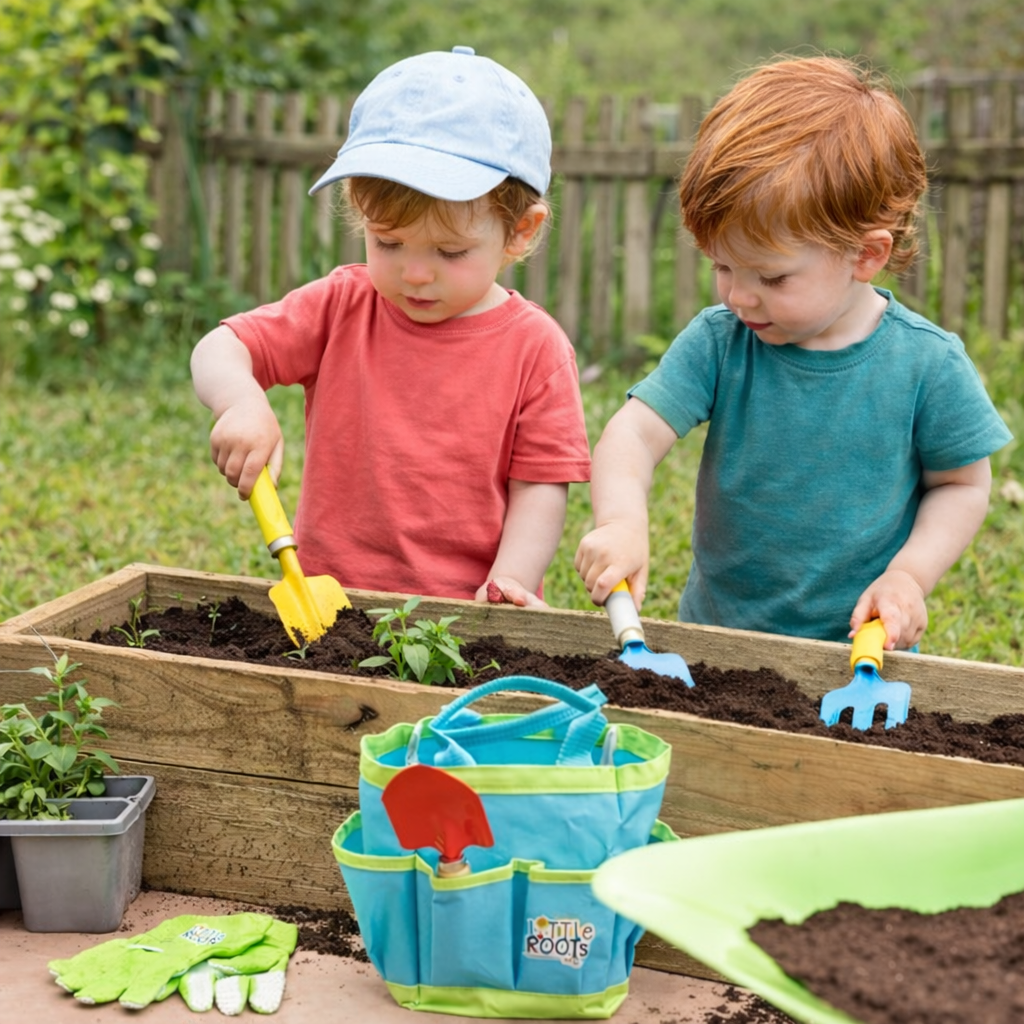
Spring is the perfect season for outdoor exploration with toddlers. These simple spring gardening activities for 2-year-olds help children develop coordination, curiosity, and independence while enjoying nature. From watering plants to digging soil, these Montessori-inspired outdoor activities turn everyday garden moments into meaningful learning experiences.

Many parents wonder why a 2 year old ignores you during play or instructions. Developmental psychology explains how attention, independence, and emotional regulation shape toddler listening behaviour.

Many parents notice the same pattern: the more exhausted mum becomes, the more toddlers seem to cling. Neuroscience explains why this behaviour is deeply wired.

Toddler meltdowns can push even the most patient parents to their limits. This guide explains how your brain reacts to stress and introduces a simple Pause → Name → Choose technique that helps parents stay calm during toddler meltdowns. You’ll also find practical gentle parenting scripts you can remember when emotions run high.
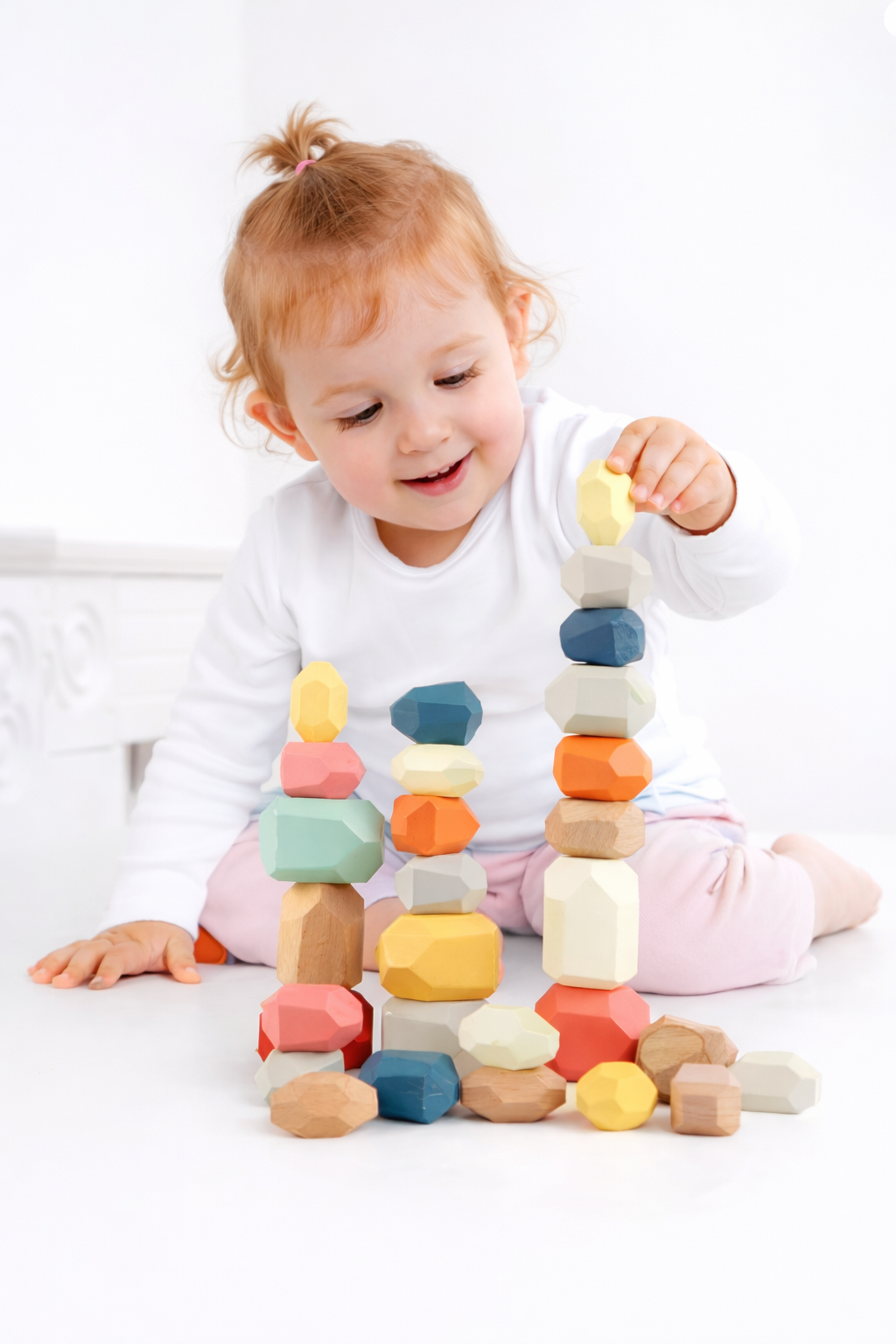
If your toddler won’t play alone, the problem is rarely motivation. For many children between 18 and 24 months, independent play develops slowly and depends heavily on environment, regulation, and the right materials. In this practical Montessori guide, you’ll learn why toddlers resist independent play and which simple tools can help build focus, confidence, and autonomy at home.
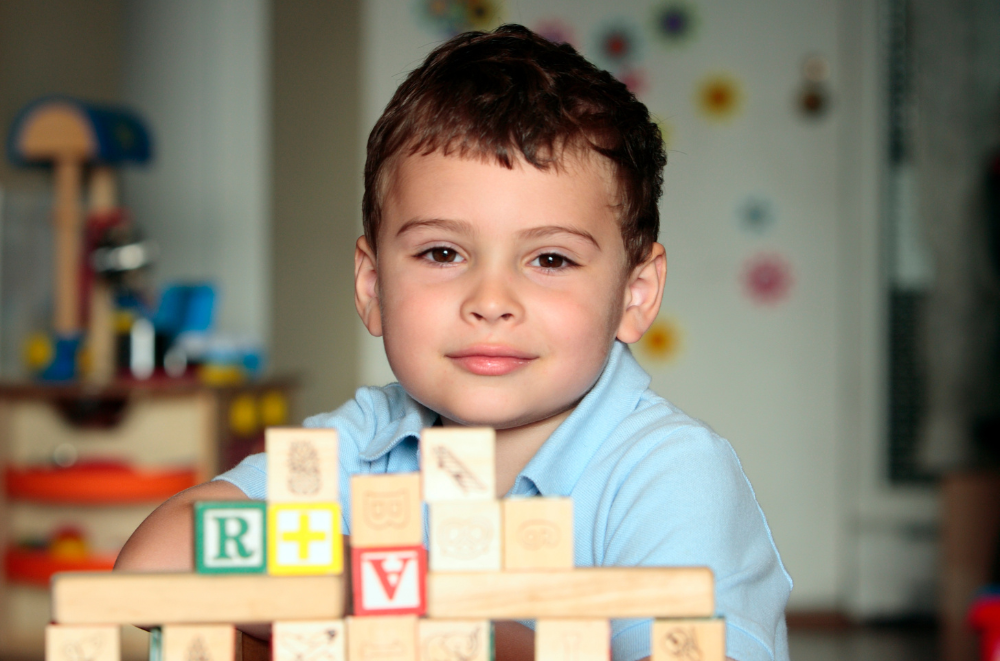
If you’re looking for sensory toys for an autistic toddler, it’s natural to wonder which ones are actually worth buying. We certainly did. What surprised us was that our daughter rarely gravitated towards the toys with the most features. Instead, she kept returning to the same simple activities—pulling, stacking, sorting, threading and repeating familiar movements…

Stop power struggles with your toddler. Discover what to say instead of “no” using Montessori-based positive phrases that actually work.
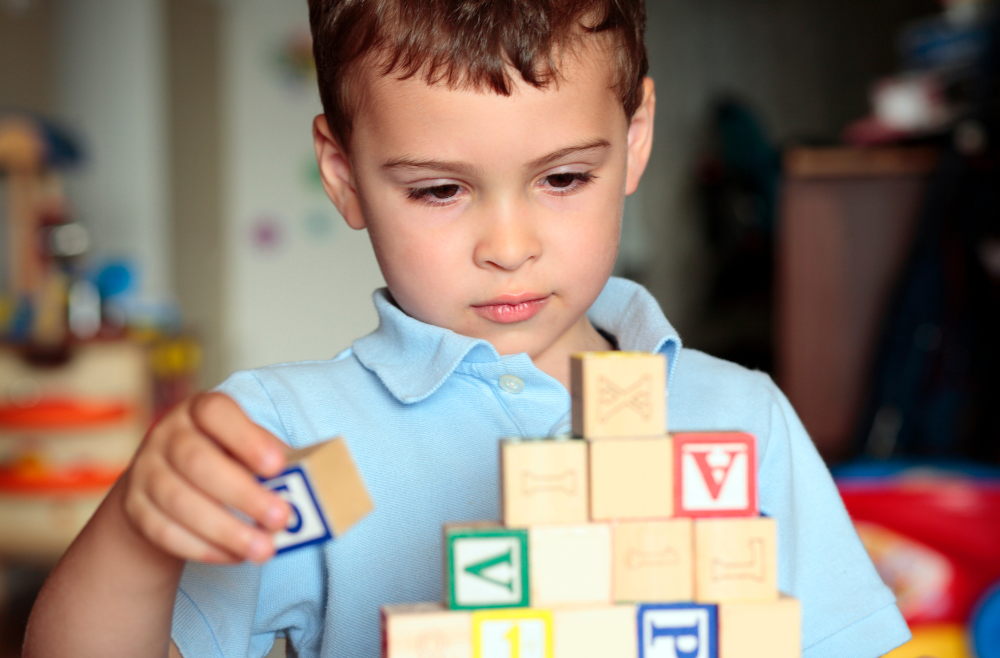
If you’re parenting an autistic child, you may be wondering whether Montessori for autistic children is a good fit. Montessori classrooms are often calm and structured. They allow children to work at their own pace. For some families, that sounds promising. But what does the research actually say? Montessori classrooms are often described as calm,…

Toddler hitting can feel shocking the first time it happens. One minute your child is playing happily — the next they’ve hit you, a sibling or another child at the park. It can be upsetting, embarrassing and, when you’re the person being hit, surprisingly difficult not to take personally. But hitting is developmentally common during…
We use cookies to understand how visitors use our website and to help improve your experience. You can accept all cookies, deny non-essential cookies, or choose your preferences. You can change your choice at any time.