When and How to Use Visual Timers for Toddlers
Transitions can be hard for toddlers. A visual timer makes time easier to understand—helping reduce resistance and create calmer routines.
The toddler years between two and three are full of personality, imagination, and growing independence. In this section you’ll find Montessori-inspired activities, toy ideas, and practical parenting tips for this important stage of development. We explore language growth, emotional development, independent play, and simple ways to encourage learning at home. Whether you’re looking for play ideas, behaviour guidance, or development support, these articles help you nurture your child’s confidence and curiosity.

Transitions can be hard for toddlers. A visual timer makes time easier to understand—helping reduce resistance and create calmer routines.

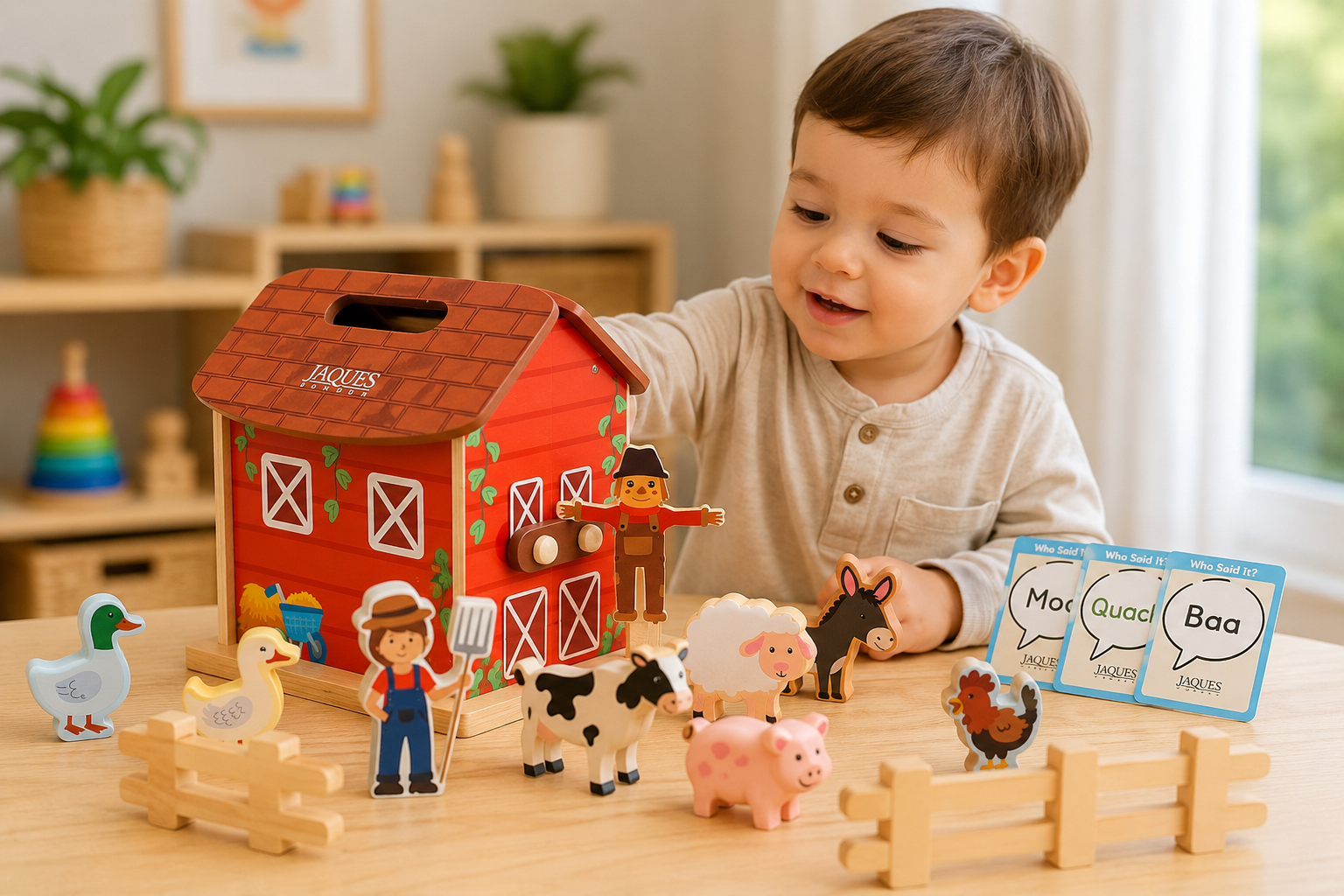
Most toys for 2 year olds get ignored within days. These simple, Montessori-inspired gift ideas are different—they keep toddlers engaged, reduce frustration, and actually get used.

If your 2 year old wakes up crying and says no to everything, it can feel confusing and intense. Here’s what’s really happening — and how to respond calmly.

Looking for the best learning tower for toddlers in the UK? Compare safe, practical kitchen helper towers that support independence and everyday routines.

There’s one song that has stopped my toddler — even as a baby — from crying almost every time. I’d go as far as to say 99.9% of the time. And it’s not just us. I’ve seen it work just as quickly with friends’ babies and toddlers too. Not sometimes.Not occasionally. Almost instantly. I didn’t…

Looking for the best Montessori toys for 2 year olds? These simple, engaging toys help toddlers play independently and stay focused longer.

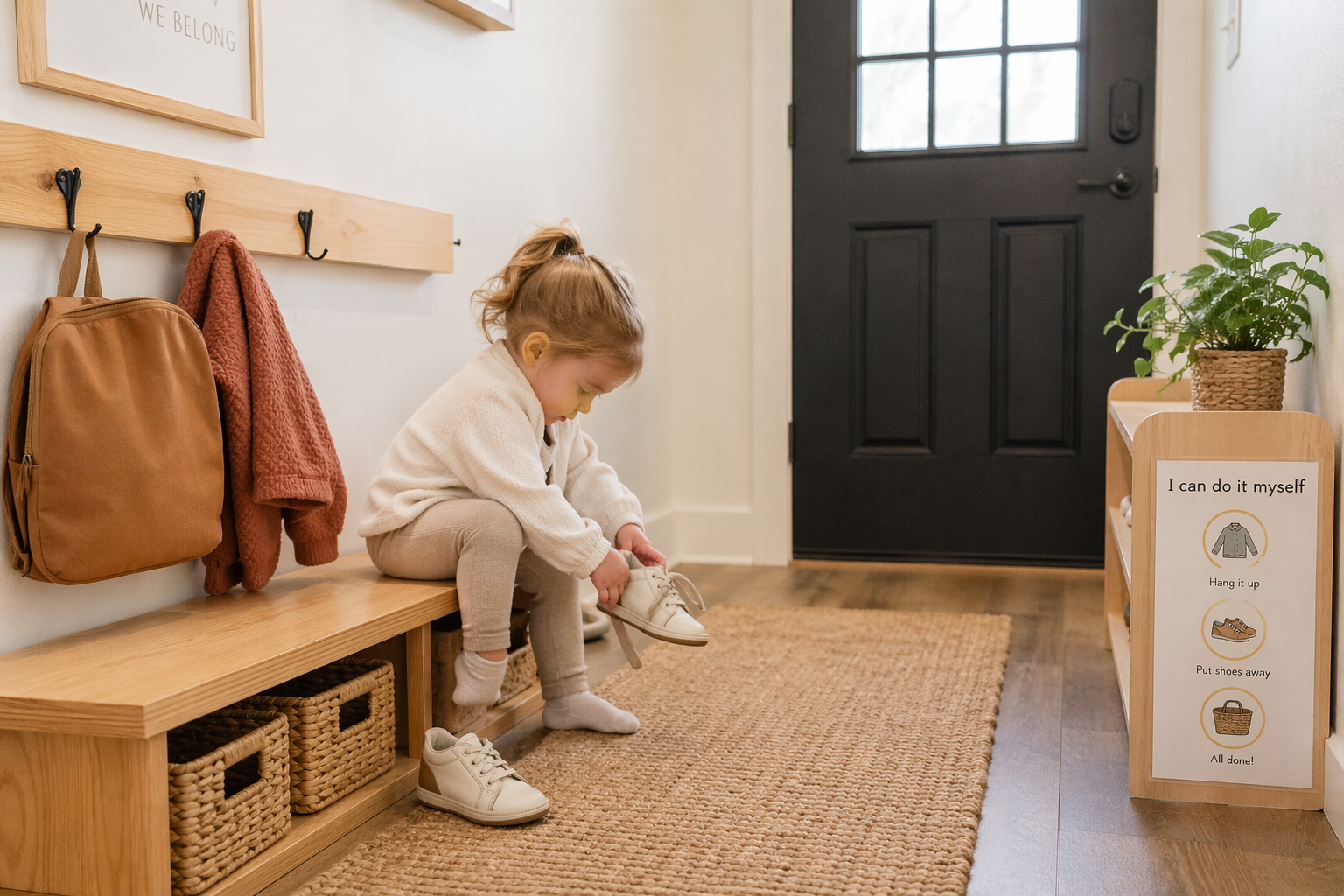
Montessori practical life begins in everyday routines. This guide shows simple ways to support cleaning, hygiene, and independence from babyhood through toddler years.

Tantrums can feel overwhelming, but small, simple tools can make a real difference. These calm-down ideas help toddlers regulate emotions and make daily life feel more manageable.

Montessori toy rotation helps toddlers stay engaged by offering fewer toys at a time. Learn how to create a simple toy rotation system that encourages independent play, focus, and calmer play spaces.

Learn how to choose sensory toys for autistic children based on sensory needs rather than trends. This guide explains different types of sensory input, what behaviours may indicate, and how to select sensory tools that genuinely support regulation, comfort and participation in daily life.