
Best Learning Towers for Toddlers — Safe and Practical Options
Looking for the best learning tower for toddlers in the UK? Compare safe, practical kitchen helper towers that support independence and everyday routines.
Three is a year of big ideas, growing independence and plenty of personality. In this section, you’ll find play and learning ideas, developmental toys and practical parenting guidance for three-year-olds, with a focus on language, emotional development, independence and everyday skills.

Looking for the best learning tower for toddlers in the UK? Compare safe, practical kitchen helper towers that support independence and everyday routines.

We genuinely didn’t expect this to work. Every parent has that one thing they try out of desperation. A favourite toy. A snack. The emergency bag of raisins. Ours turned out to be a three-minute song. For some reason, The Happy Song by Imogen Heap has calmed our daughter since she was a baby—and it…
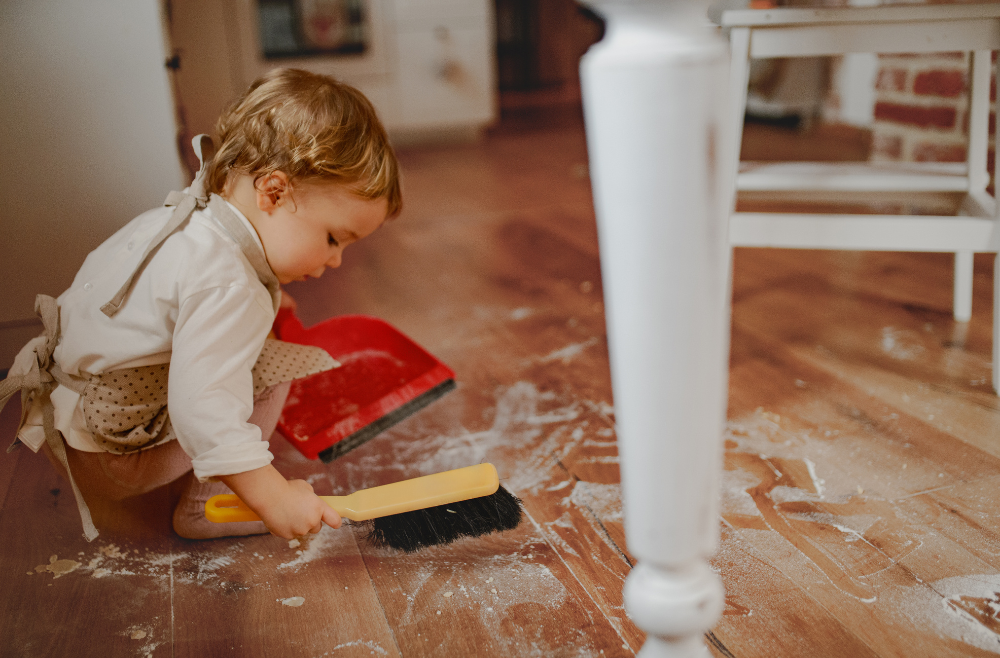
Montessori practical life begins in everyday routines. This guide shows simple ways to support cleaning, hygiene, and independence from babyhood through toddler years.
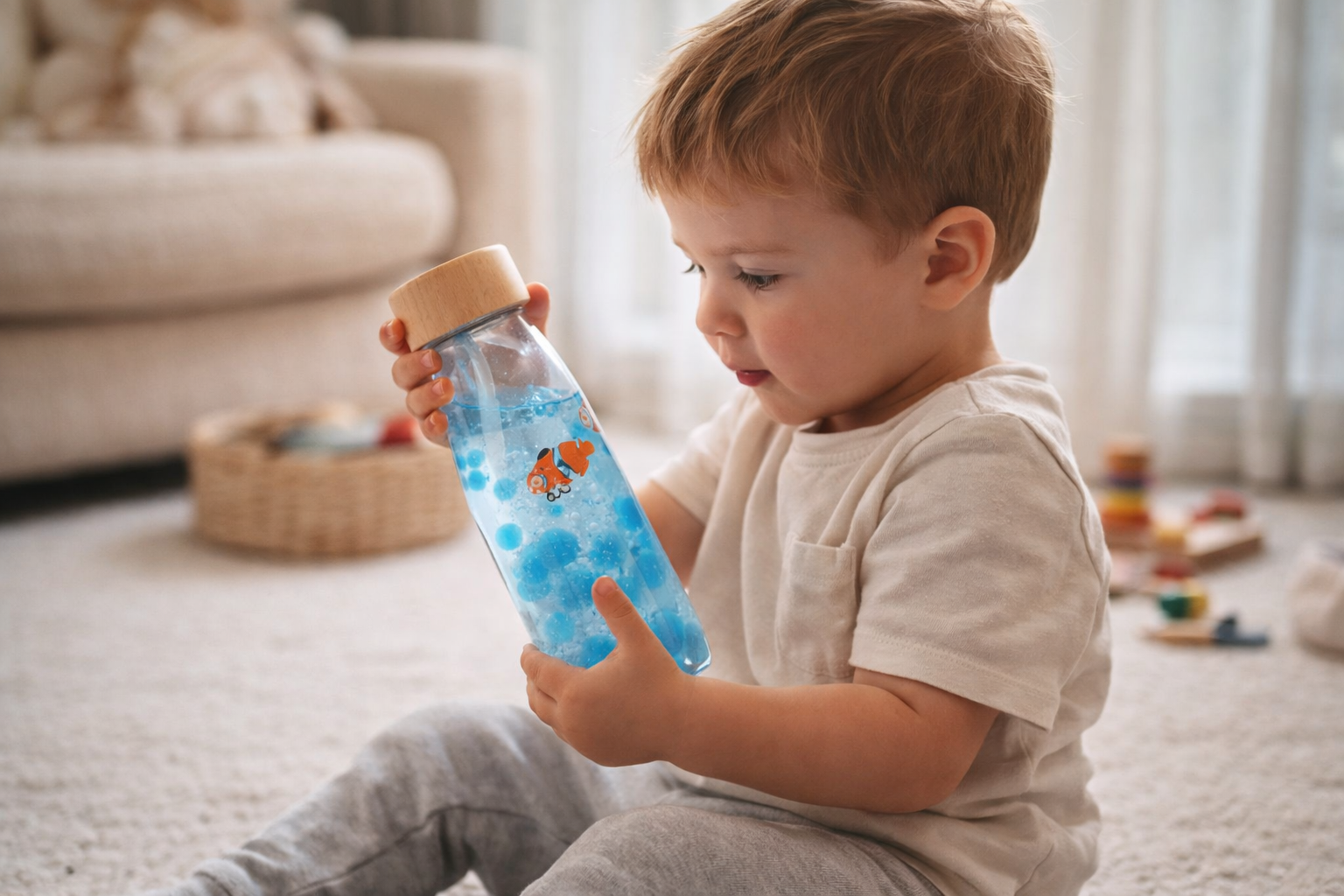
Tantrums can feel overwhelming, but small, simple tools can make a real difference. These calm-down ideas help toddlers regulate emotions and make daily life feel more manageable.
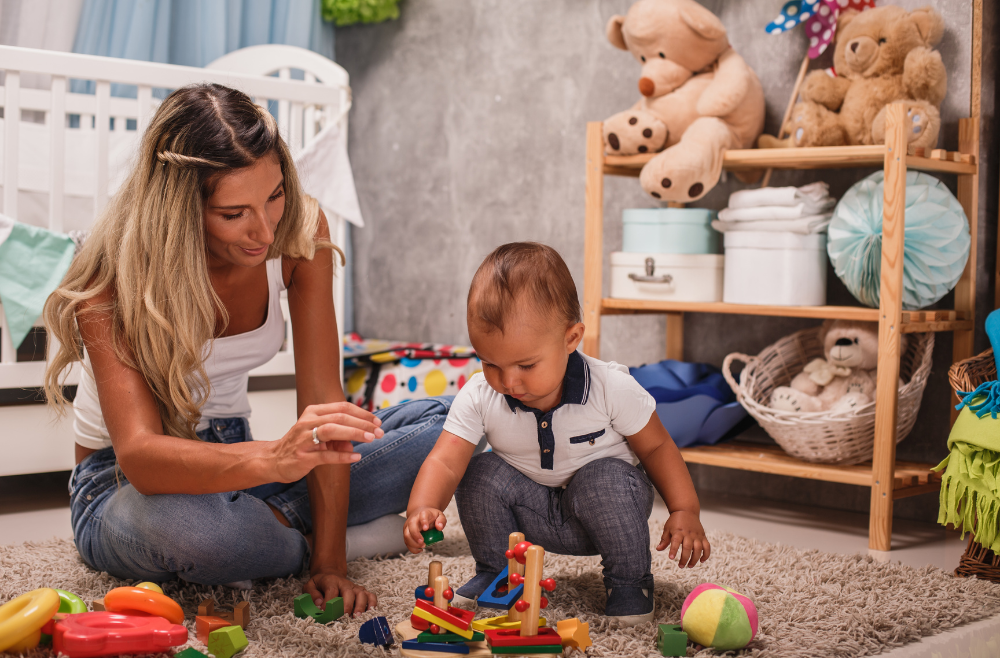
Montessori toy rotation helps toddlers stay engaged by offering fewer toys at a time. Learn how to create a simple toy rotation system that encourages independent play, focus, and calmer play spaces.
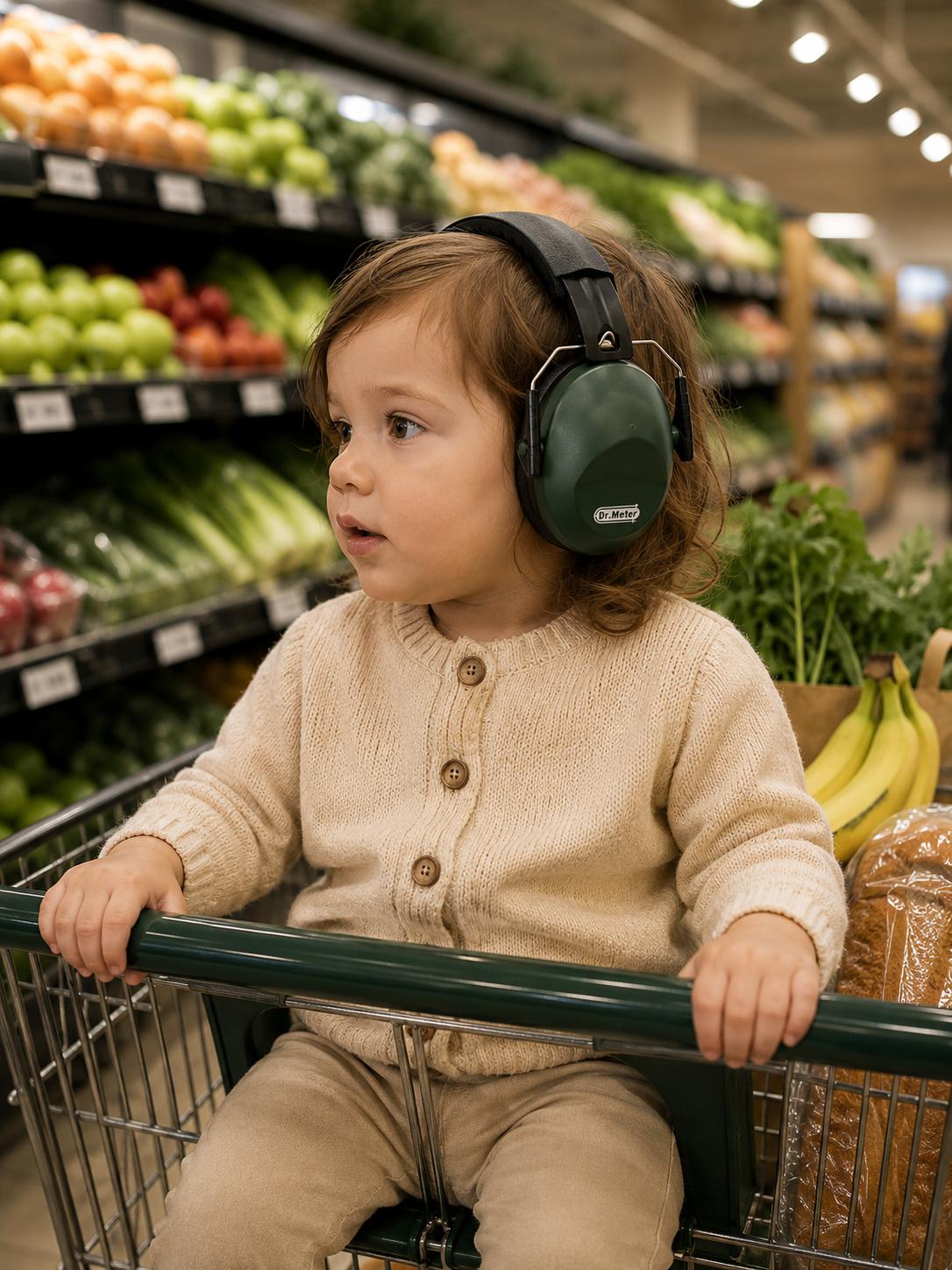
Learn how to choose sensory toys for autistic children based on sensory needs rather than trends. This guide explains different types of sensory input, what behaviours may indicate, and how to select sensory tools that genuinely support regulation, comfort and participation in daily life.
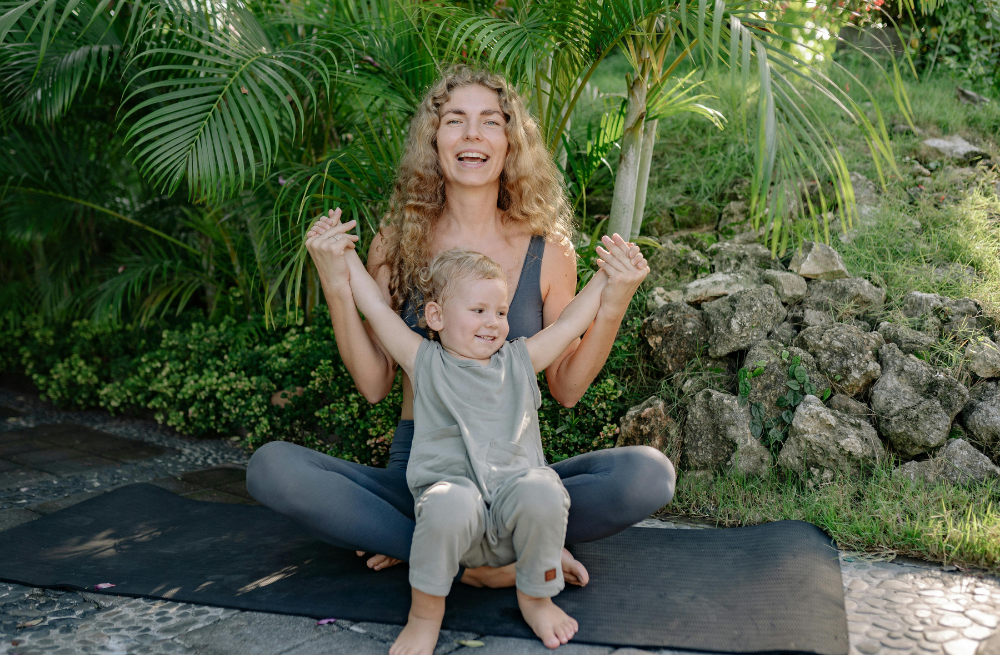
A Montessori toddler daily routine helps children feel calm, secure, and independent. Learn how to create a simple daily rhythm that works for toddlers aged 1–3 years.
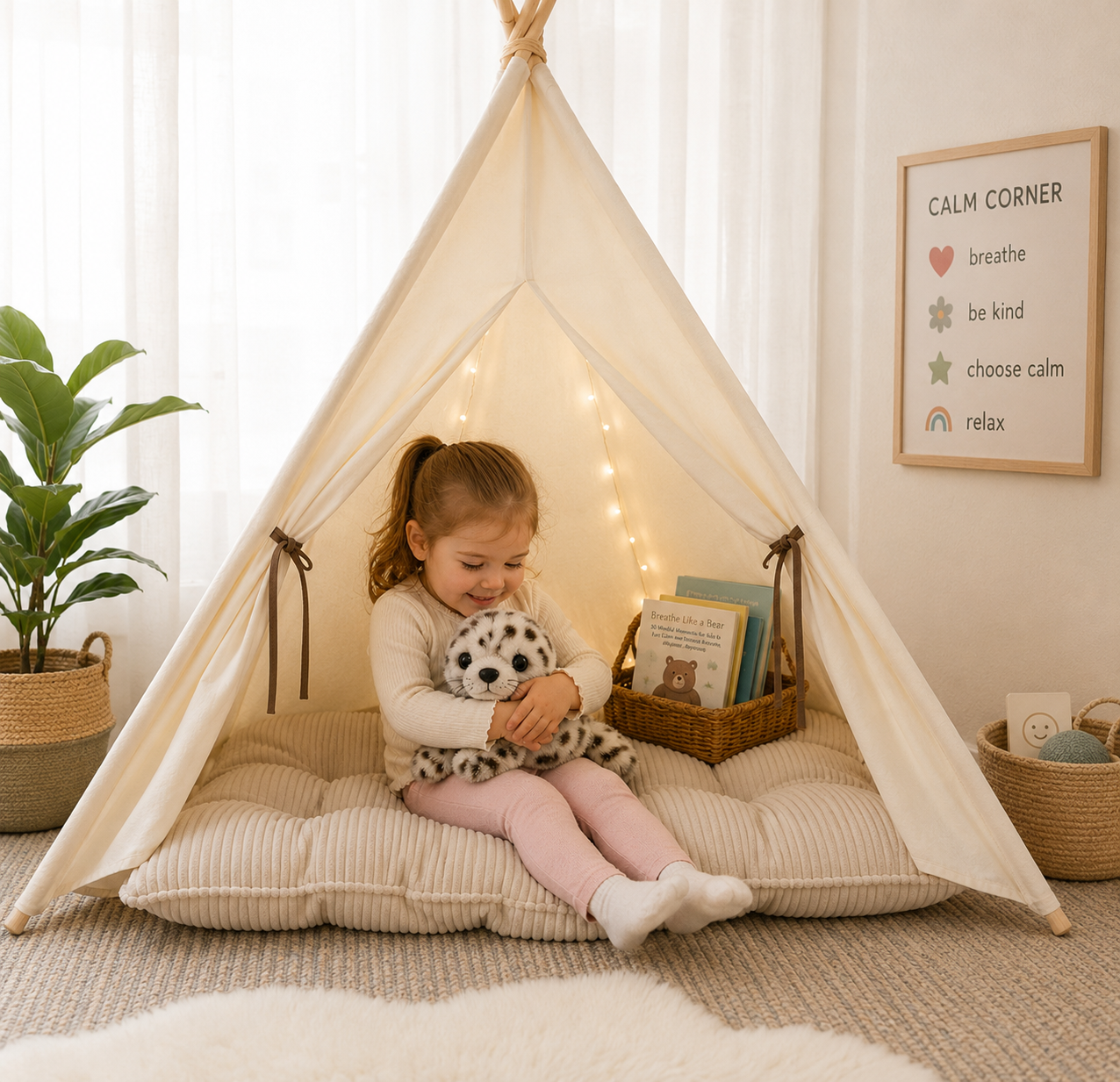
A Montessori calm corner gives toddlers a safe space to pause, regulate emotions, and reset during big feelings. Learn how to create a simple calm-down space at home with easy setup ideas and calming tools.

Raising a happy toddler doesn’t require perfection. Discover simple tips to support independence, emotional development, play, and confidence in children aged 2–3.
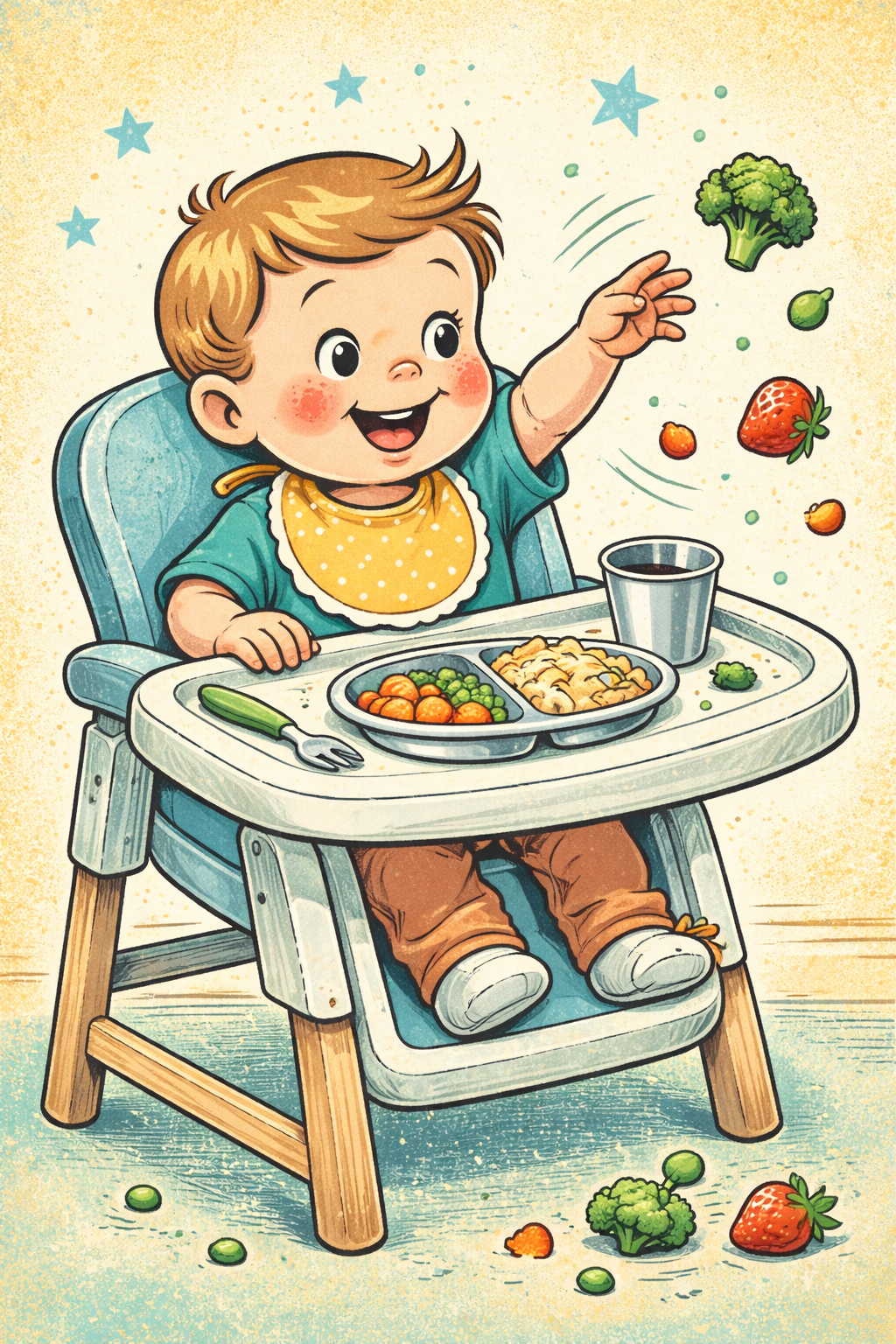
Food throwing is a common toddler behaviour. Discover why toddlers throw food during meals and what this stage means for their development.
We use cookies to understand how visitors use our website and to help improve your experience. You can accept all cookies, deny non-essential cookies, or choose your preferences. You can change your choice at any time.