How to Create a Calm Corner for Toddlers (Montessori Approach)
Toddlers experience big emotions long before they have the language to explain them.
Frustration, disappointment, excitement, and overwhelm can arrive quickly, often leaving both parent and child unsure what to do next.
A calm corner is a simple space designed to support emotional regulation. Rather than being used as a form of discipline, it gives children a predictable place where they can pause, reconnect, and gradually learn the skills needed to calm their body and mind.
Disclaimer: This post contains affiliate links. I may earn a small commission at no extra cost to you. As an Amazon Associate I earn from qualifying purchases.
What Is a Calm Corner?
Montessori environments aim to prepare children for success rather than react once things have already gone wrong.
A calm corner follows the same principle. Rather than being introduced after a meltdown or used as a consequence for behaviour, it becomes a familiar space that children learn to use alongside a parent long before they truly need it.
Unlike a traditional time-out, the focus is not on isolation or discipline. Instead, a calm corner helps children recognise emotions, practise calming strategies, and gradually develop the self-regulation skills that take years to build.
How We Created and Used Our Calm Corner
We kept our calm corner deliberately simple.
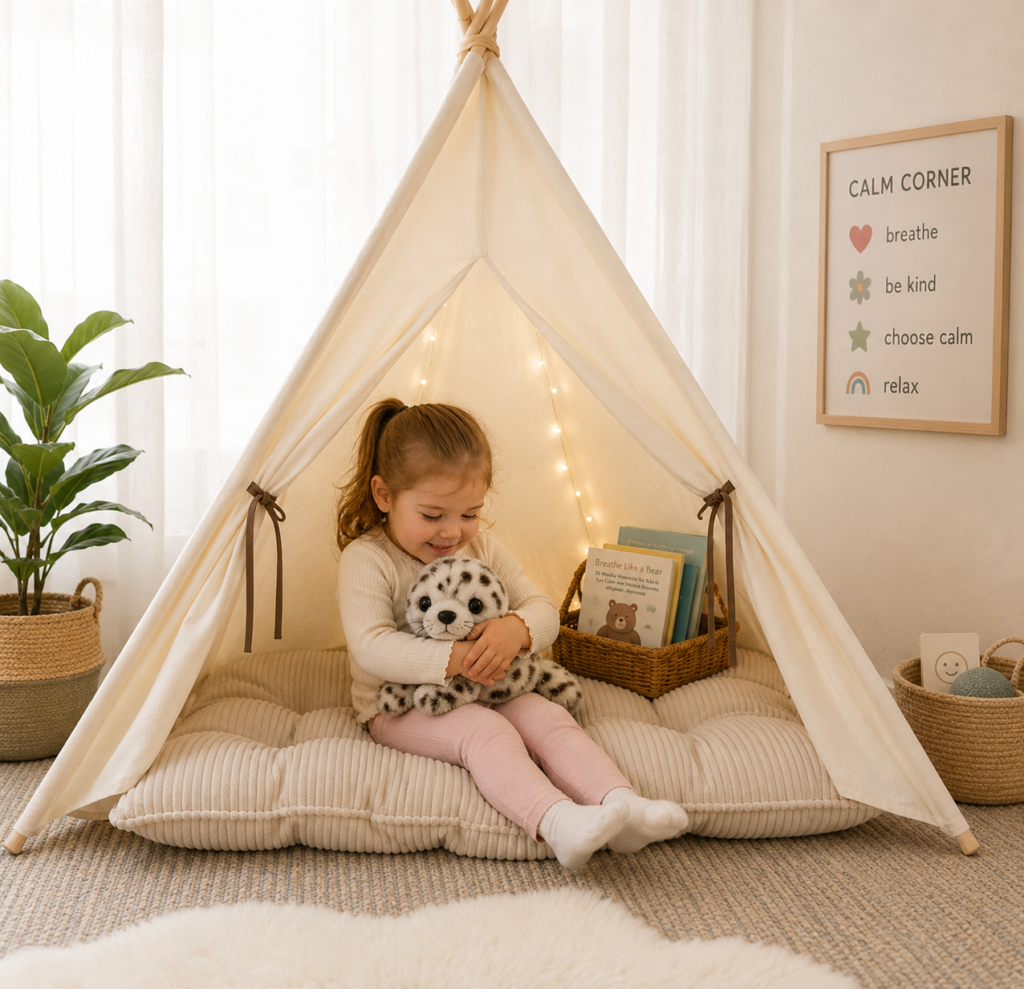
Rather than creating a separate room or buying lots of new items, we used a quiet corner of our living room and added a few things she already enjoyed using: a floor cushion, a basket for books and sensory toys, a feelings chart, and her favourite seal pup soft toy.
What surprised us most was that she didn’t use it mainly during meltdowns. More often, it became somewhere she chose to sit and read, look through picture cards, cuddle her soft toys, or simply take a break from a busy day.
When we first introduced it, we made a point of using the space together during calm moments rather than waiting until she was upset. We’d sit down with a book, play with sensory toys, try a few simple breathing exercises, and spend a few quiet minutes together.
I also made a point of modelling what the space was for. After sitting there together, I’d say things like, “That was relaxing“, “I’m ready to try again” or, “I feel better now.” The goal wasn’t to teach a lesson, but to show that everyone sometimes needs a moment to pause and reset.
After a few weeks, something interesting started happening. During moments of frustration or the early stages of a power struggle, she would sometimes head towards the calm corner herself or respond positively when we suggested sitting there together for a minute.
It certainly wasn’t a magic solution, and there were plenty of moments when emotions still ran high. But because the space already felt familiar and positive, it gradually became a place she associated with comfort, connection, and calming down rather than correction or punishment.
Signs Your Toddler Might Need a Calm Corner
While any child can benefit from a calm corner, many parents find them particularly helpful when a toddler:
- struggles with transitions
- has frequent meltdowns
- finds it difficult to calm down after frustration
- reacts strongly to noise or busy environments
- seeks extra comfort after difficult moments
Over time, many children begin to seek out the space themselves. What starts as a place you use together can gradually become a familiar refuge during moments when they need comfort, connection, or a break from stimulation.
In many ways, it’s not so different from what adults do. After a stressful day, a difficult conversation, or a heated argument, many of us instinctively retreat to a quiet room, curl up with a book, take a walk, or simply seek a little space to regroup. A calm corner gives children their own age-appropriate version of that experience.
If overwhelm is a regular challenge, you may also find our guide to Signs Your Toddler Is Overwhelmed (And How to Help) helpful.
Where to Place a Calm Corner
The best calm corners are usually the simplest.
Choose a space that is quiet without feeling isolated, slightly separate from the busiest areas of the home, and easy for your child to access independently. A bedroom corner, reading nook, or small playroom area often works well.
The goal isn’t to create a perfect space. It’s to create one that feels safe, familiar, and easy to use.
What to Put in a Calm Corner
You don’t need much.
In fact, less works better.
A calm corner might include comfortable seating, emotional regulation tools, comfort objects, and books.
You certainly don’t need every item on this list. Most calm corners begin with just one comfortable place to sit and a couple of familiar objects, gradually evolving as your child grows.
Comfortable seating
A simple floor cushion, folding toddler chair, small beanbag, or a soft rug where the child can sit comfortably.
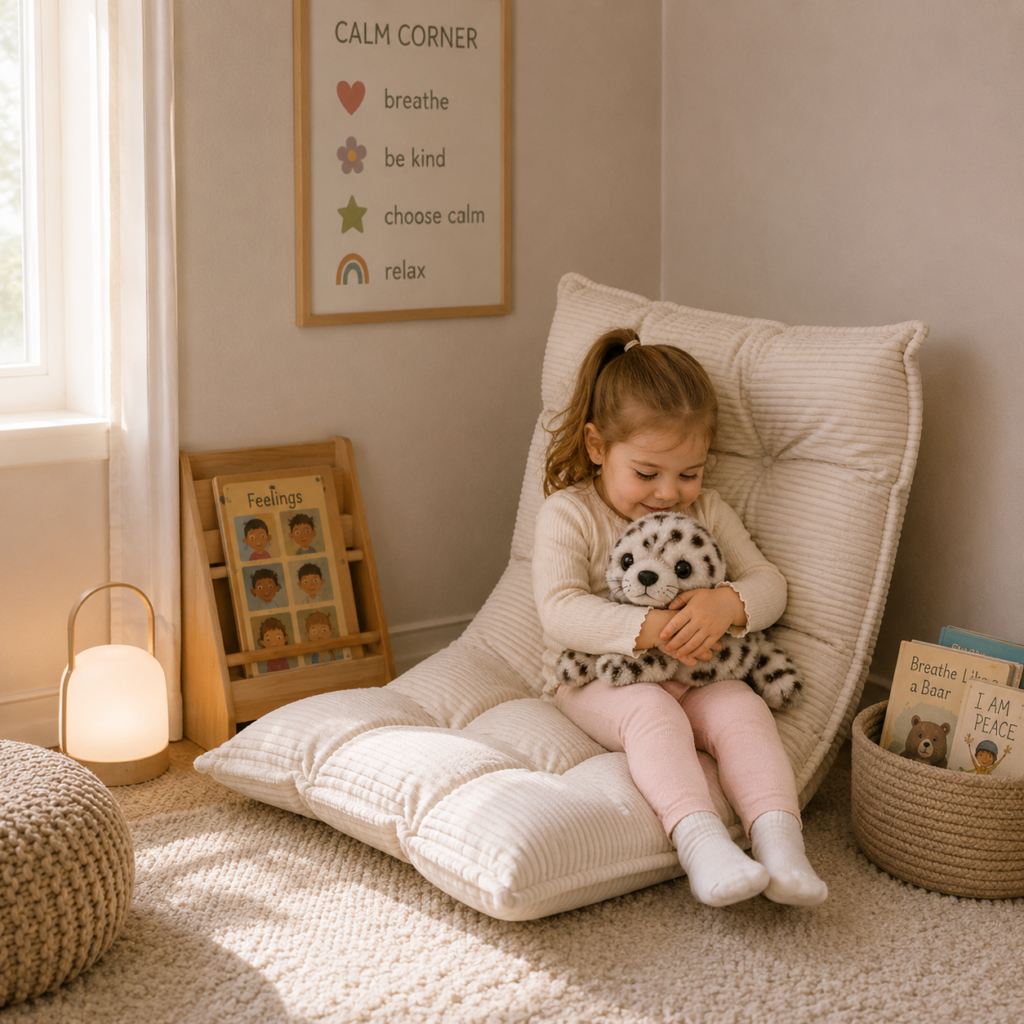
As the calm corner became part of everyday life, we eventually upgraded to a more substantial floor cushion. It turned out to be one of the most-used items in the room. Several years later it’s still in use, having evolved from a calming space for a toddler into a cosy reading nook and quiet corner for independent downtime.
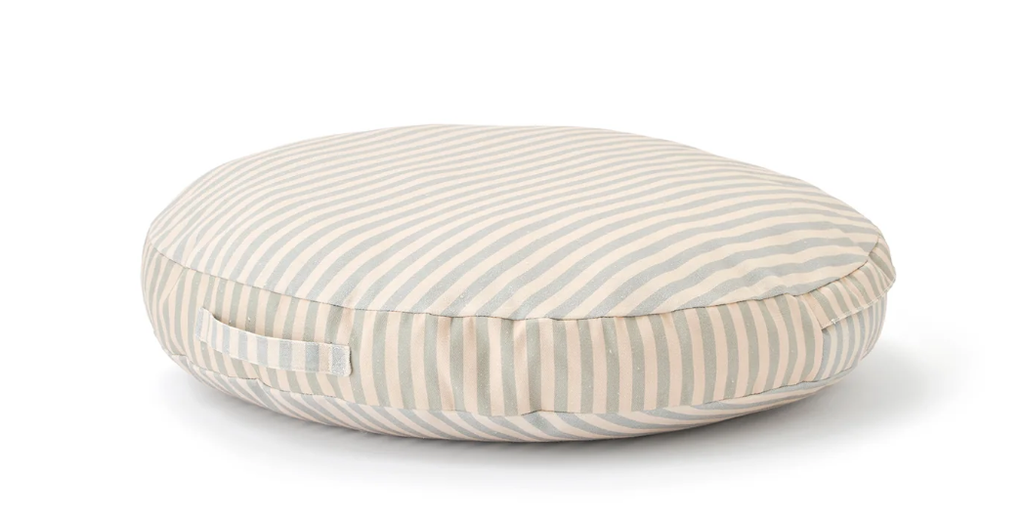
If you’re looking for a simpler, more affordable option that still feels substantial and well made, we also have Kids Concept Floor Cushion in our daughter’s bedroom. It tends to migrate around the house depending on where she wants to read, relax or play, which is probably the best indication of how useful it has been.
It doesn’t have quite the same oversized, cosy feel as the cushion above, but it’s a lovely option if you want comfortable floor seating for a calm corner without spending as much. It’s also easier to move from room to room, so it works particularly well if you don’t have space for a permanent calm-corner setup.
View Kids Concept Floor Cushion
Play Teepee
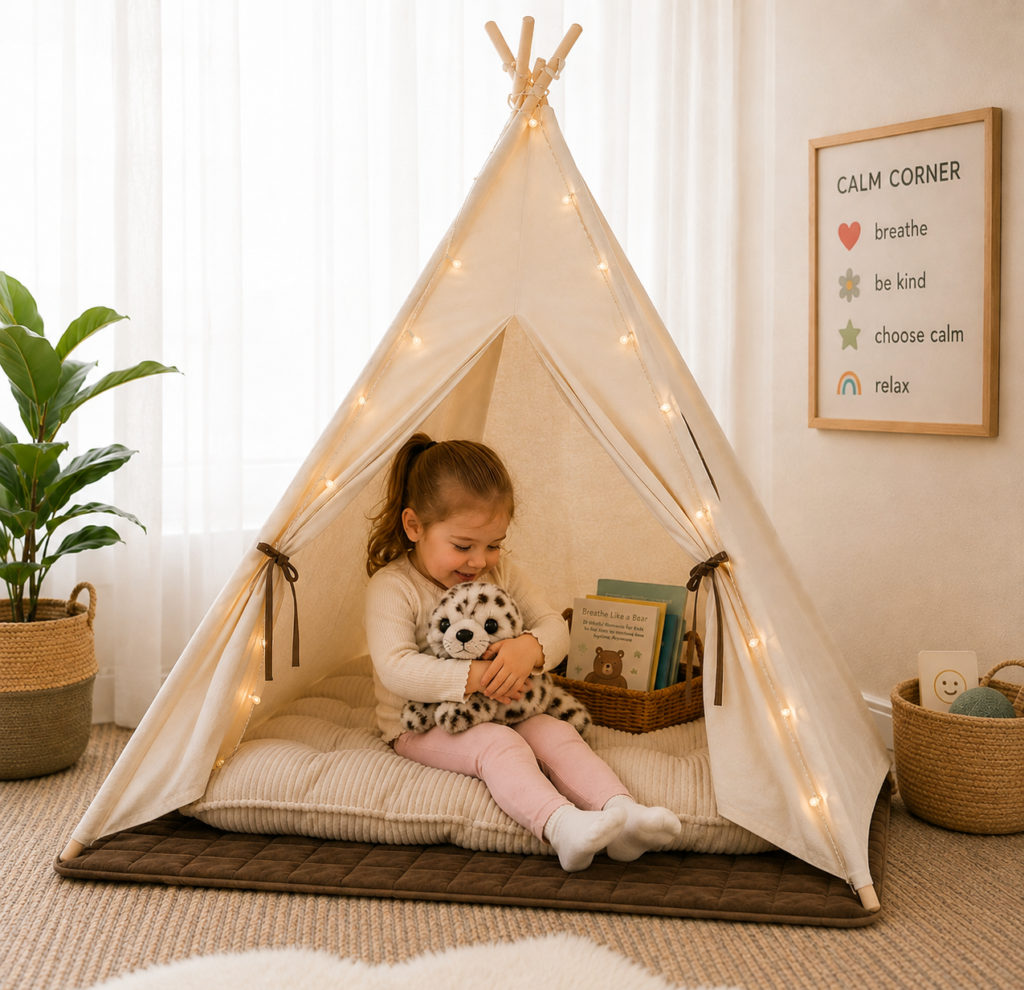
For some children, a small teepee can help create a sense of enclosure and separation from the rest of the room, making the calm corner feel especially cosy and inviting. We like this Besrey teepee because it’s made from soft cotton with a sturdy, formaldehyde-free pine wood frame and includes a comfortable padded mat, creating a welcoming space for reading, quiet play, cuddling soft toys, or simply taking a break from a busy day.
What we particularly like about teepees is that they often evolve alongside your child. While they may begin as a calm corner or quiet retreat during the toddler years, they can gradually become a favourite reading nook, imaginative play space, or cosy corner for independent downtime. That’s exactly what happened with our daughter. A few years later, the calm corner itself is used less often, but the cosy space remains one of her favourite places to sit with books and relax.
The padded floor mat helps make the space feel warm and inviting, while the enclosed design creates a cosy retreat for reading, quiet play, or relaxation.
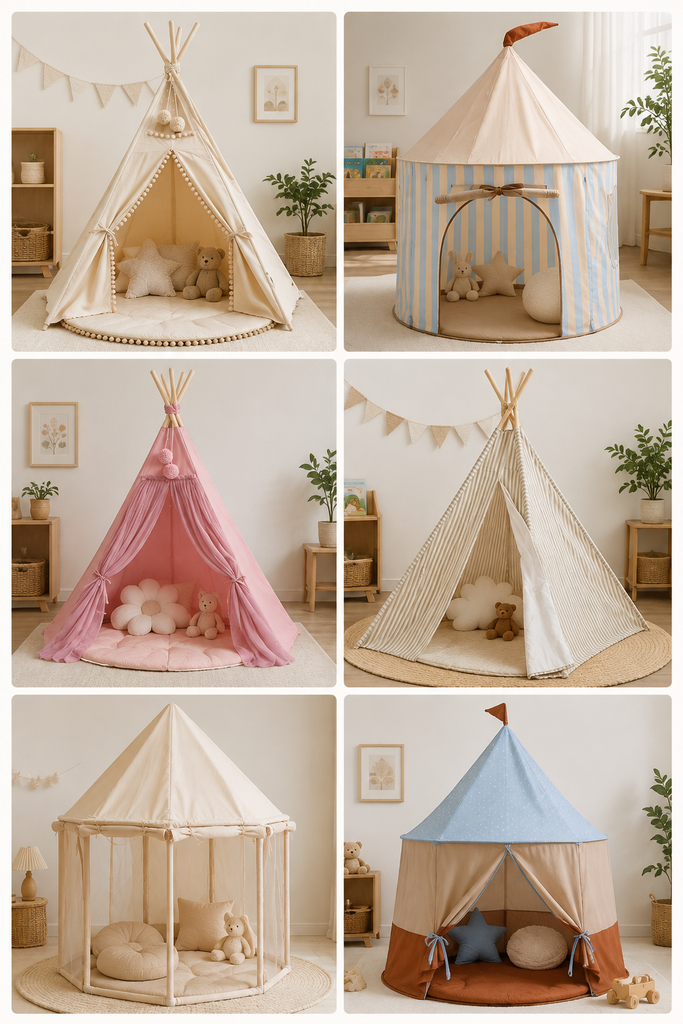
For more affordable but equally lovely alternatives, Scandibørn also has a beautiful selection of teepees and play tents in different styles and price points.
Small basket
A simple basket helps keep books, sensory items, and other calming tools organised and easily accessible.
Comfort object
A familiar toy, blanket, or soft item can help make the space feel safe and reassuring. Our daughter has a well-loved seal pup soft toy in her calm corner, and it’s often one of the first things she reaches for when she wants a cuddle, a quiet moment, or simply some comfort after a difficult day.
Emotion visuals
Simple emotion cards or a feelings chart can help toddlers begin connecting words to what they are experiencing. When children regularly see emotions such as happy, sad, frustrated, worried, or calm, it becomes easier for them to recognise those feelings in themselves and gradually build the language to express them.
Rather than being used only during difficult moments, emotion cards and feelings charts are often most effective when explored together during calm, everyday conversations.
Sensory tools
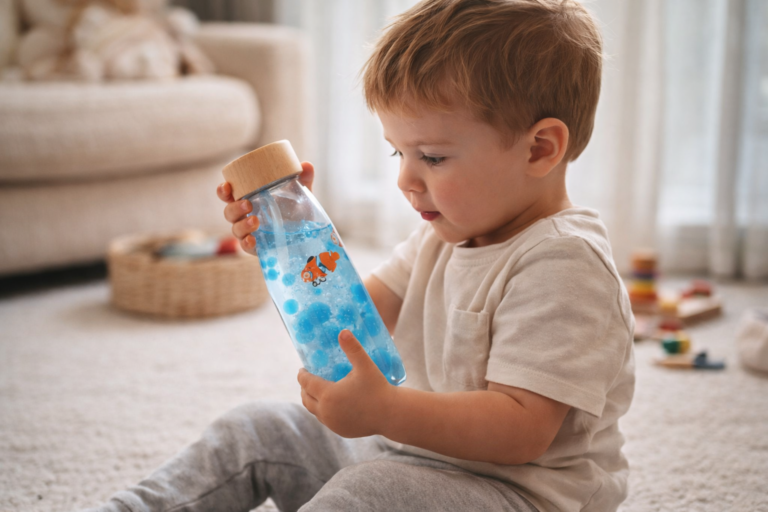
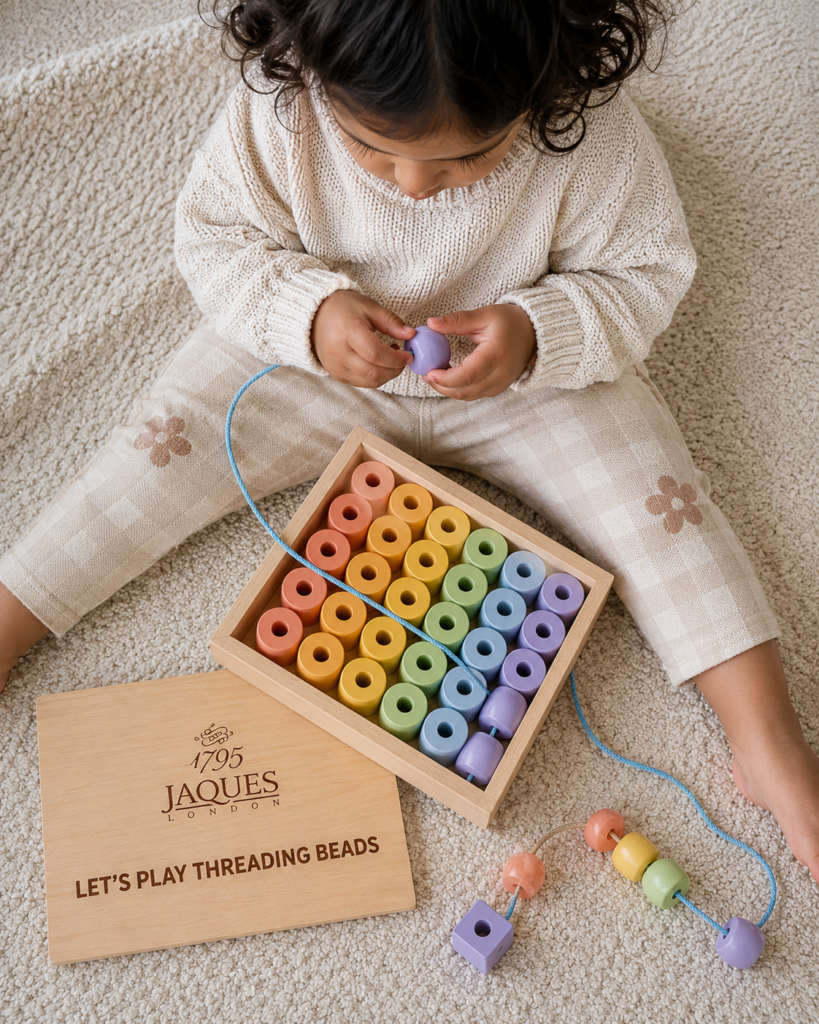
A small sensory item can help some toddlers slow down and reconnect with their body during moments of stress or overwhelm. Simple options such as textured sensory balls, a simple push and pop bubble sensory fidget toy, textured sensory tubes or tactile objects provide gentle sensory input that can help keep little hands occupied while the nervous system settles.
In our home, nothing has worked quite as well as large wooden threading beads. They’re one of the few activities that consistently help our daughter pause, focus and regulate when she’s feeling overwhelmed, while also supporting concentration and fine motor skills.
If you’re exploring more tools like this, you can find other therapist-recommended options here:
→ Sensory Toys for Challenging Moments
Simple sensory toys can also support emotional regulation. If you’re building a calming play environment, you might enjoy our guide to Best Montessori Toys for 1 Year Olds That Last.
Books about feelings
Books can be a gentle way to explore emotions when children are calm and receptive. Stories often give toddlers language for experiences they don’t yet know how to describe, while also introducing simple strategies for managing big feelings.
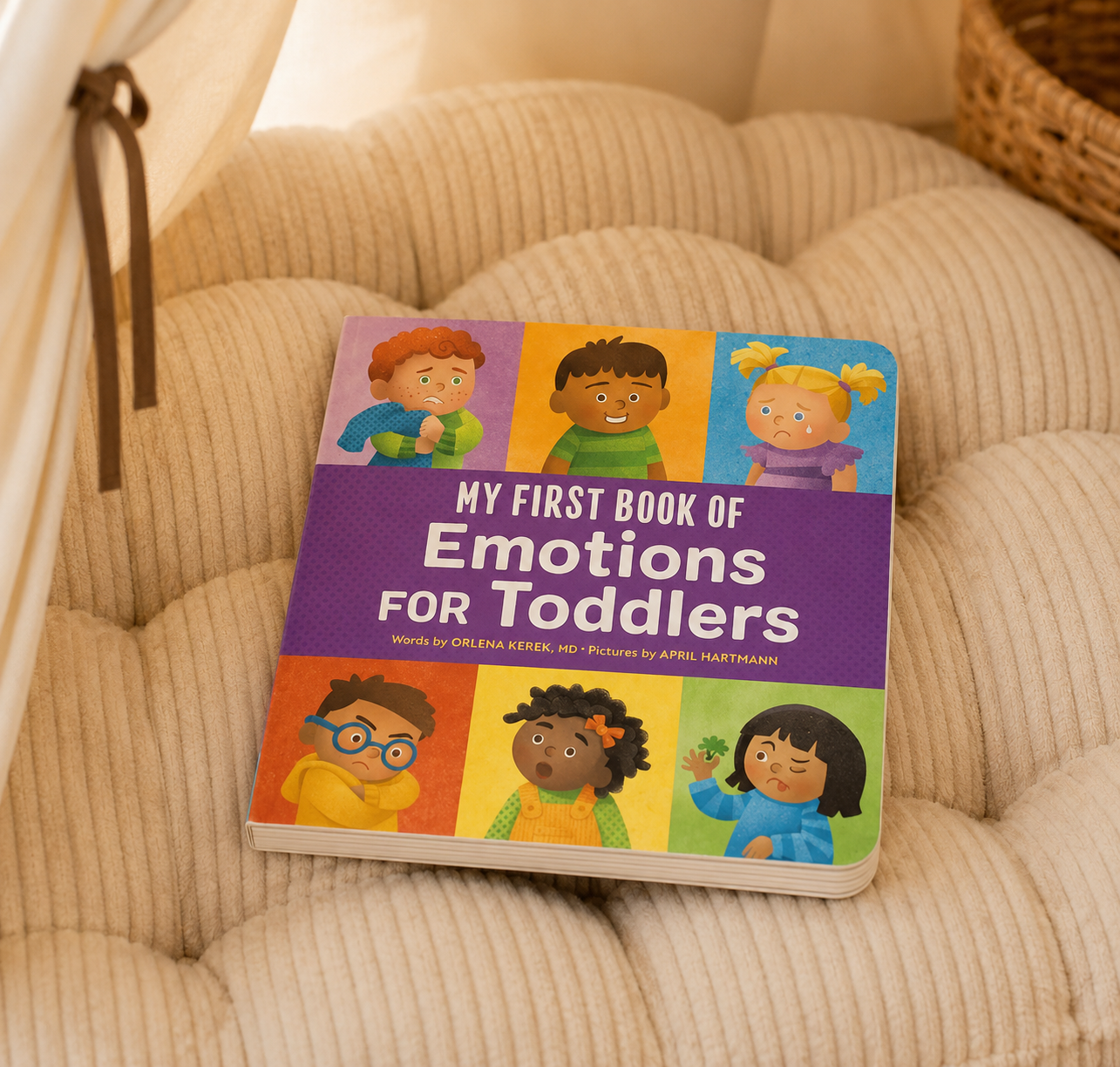
My First Book of Emotions for Toddlers
A simple introduction to recognising and naming common emotions, with clear illustrations that are easy for younger toddlers to understand.
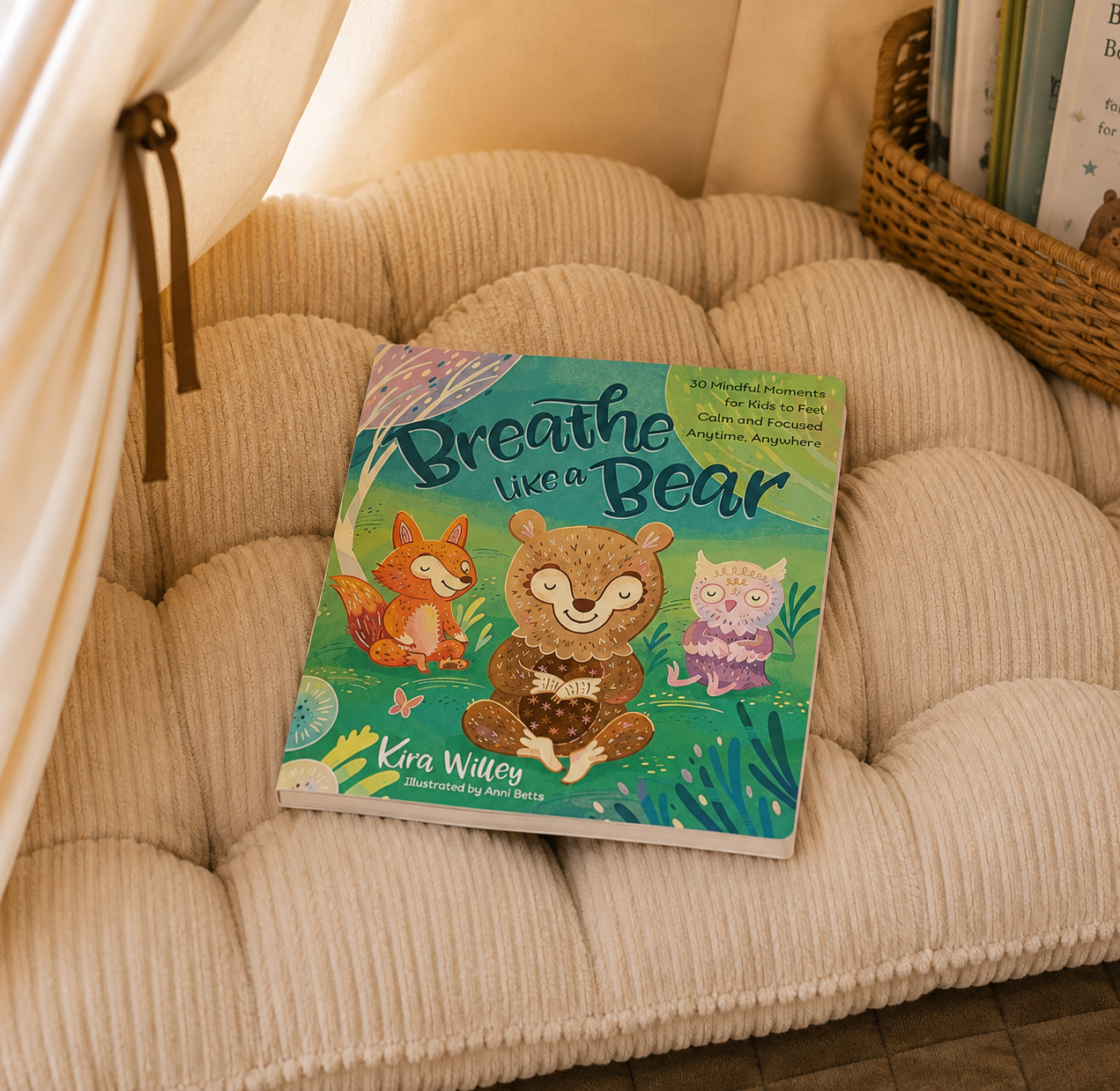
Breathe Like a Bear: 30 Mindful Moments for Kids
A collection of short breathing exercises and mindfulness activities designed to help children slow down, focus, and regulate their emotions through movement and imagination.
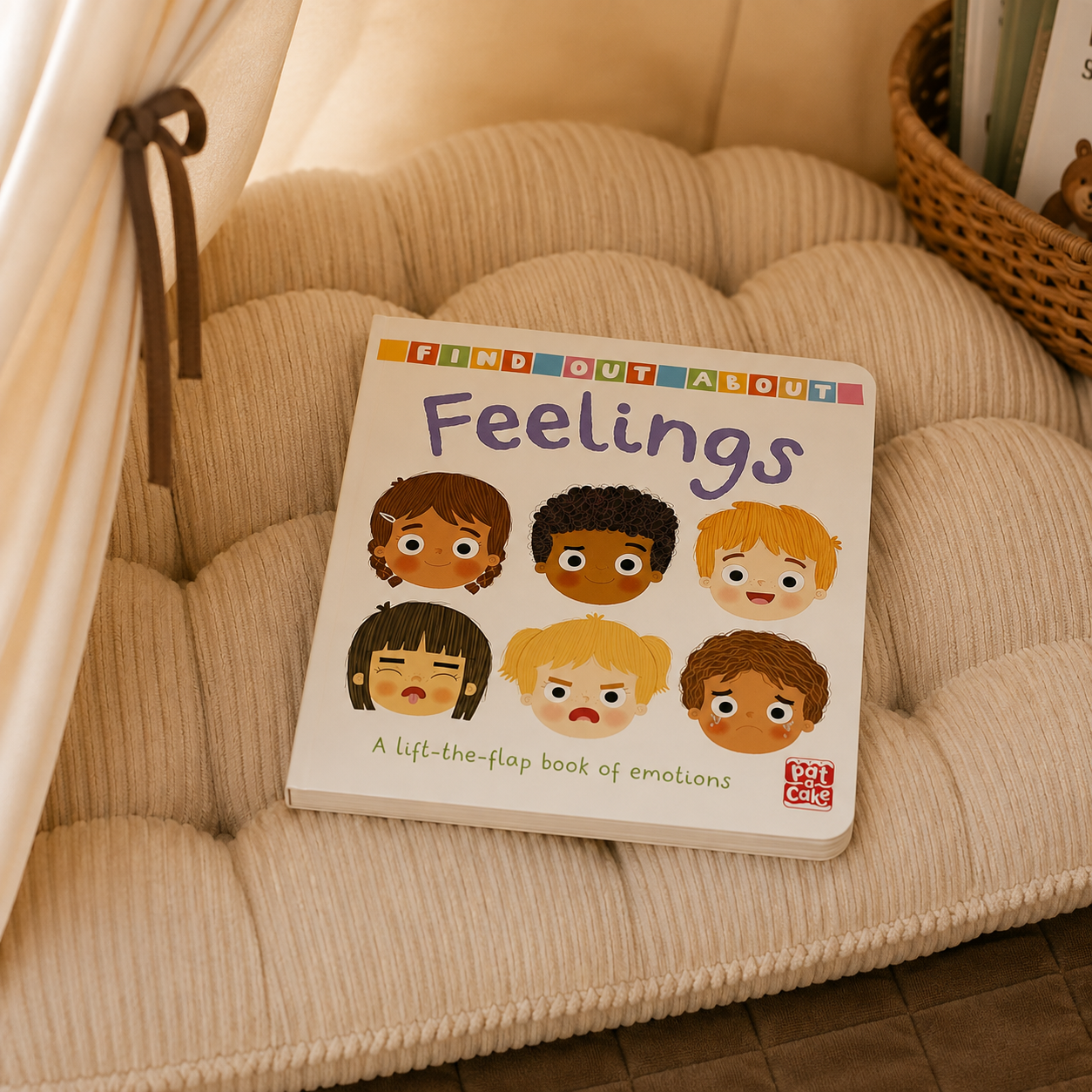
Find Out About Feelings
A gentle lift-the-flap book that introduces toddlers to a range of emotions through simple illustrations and interactive flaps. Ideal for helping young children recognise different feelings and start building emotional vocabulary through play.
How to Introduce a Calm Corner
A calm corner works best when children become familiar with it before emotions are running high.
Introduce the space during a calm moment and keep the explanation simple:
“This is a place we can come when our body feels overwhelmed and needs a quiet moment.”
Then spend a few minutes exploring it together. Sit down, look through a book, squeeze a sensory toy, or simply enjoy the space without any expectations.
Many families also find it helpful to practise a few simple calming strategies when their child is already calm:
Balloon breathing
“Let’s make your belly big like a balloon.”
Squeeze and release
Gently tighten hands, then relax them.
Name the feeling
“It looks like you’re feeling frustrated.”
Sit together quietly
Sometimes calm connection is enough.
The goal isn’t to teach these skills during a meltdown. It’s to help your child become familiar with them beforehand, so they feel more natural when they’re eventually needed.
When Calm Corners Start Working
Like most emotional regulation tools, calm corners take time.
At first, your child will likely need your presence, gentle reminders, and support using the space. That’s completely normal. The goal isn’t for toddlers to regulate independently from day one, but to gradually build familiarity with the routines, tools, and strategies available to them.
Over time, many children begin seeking out the space on their own. What starts as a place you use together can gradually become a familiar refuge during moments when they need comfort, connection, or a break from stimulation.
Final Thoughts
A calm corner is not about preventing every meltdown or difficult moment.
It’s about creating a predictable, supportive space where your child can practise emotional regulation with your help.
The most effective calm corners are rarely elaborate. A comfortable place to sit, a few thoughtful tools, and a supportive adult are often more than enough.
Over time, those small moments of co-regulation can help children build the confidence and emotional skills they carry with them long after they no longer need the corner itself.
Frequently Asked Questions About Calm Corners for Toddlers
At what age can you introduce a calm corner for toddlers?
Many parents begin introducing calm corners between 18 months and 3 years, when toddlers start experiencing stronger emotions but still need support learning to regulate them.
What should you put in a calm corner for a toddler?
A calm corner should include a few simple, calming items such as a soft cushion, a comfort object, a small basket, simple sensory tools, and emotion cards. Keeping the space minimal helps reduce overwhelm and makes it easier for toddlers to use.
Do calm corners help with toddler tantrums and meltdowns?
Calm corners can help toddlers learn to regulate their emotions over time. While they don’t stop every meltdown, they provide a predictable space where children can slow down, feel safe, and gradually develop calming skills.
How do you teach a toddler to use a calm corner?
Introduce the calm corner during a calm moment and practise using it together. Show your child how to sit, breathe, or use simple tools. Over time, they begin to recognise when they need the space and may start using it independently.
Should a child be forced to use a calm corner?
No. A calm corner should always feel like an invitation, not a punishment. Children are more likely to use it when they feel safe and supported, rather than being told to go there.
How long should a child stay in the calm corner?
There is no fixed time. The goal is simply to allow the child to reset and return when they feel ready.
Can you create a calm corner in a small space?
Yes. A calm corner can be as simple as a small area with a cushion and a few calming items. It doesn’t require a separate room — just a quiet, predictable space your child can access easily.
What is the difference between a calm corner and a time-out?
A calm corner is used to support emotional regulation, not discipline. Instead of sending a child away after behaviour, it provides a space where they can calm down with support and learn to understand their feelings.
You Might Also Find Helpful