How to Raise a Happy Toddler
Simple Tips for 2–3 Year Olds
Toddlerhood is a time of enormous growth. Between the ages of two and three, children begin developing independence, emotional awareness, and a stronger sense of themselves as individuals.
Many parents wonder how to raise a happy toddler during this stage while supporting their child’s development.
At the same time, this stage can feel challenging for parents. Tantrums, strong emotions, and sudden changes in behaviour are common as toddlers learn how to navigate the world.
Raising a happy toddler does not mean eliminating these moments. Instead, it means supporting healthy toddler development while creating an environment where children feel safe, supported, and able to explore their growing independence.
Many parenting approaches — including Montessori — focus on helping toddlers develop confidence, emotional regulation, and curiosity during these early years.
Here are several simple ways parents can support their toddler’s happiness and development.
1. Encourage Independence
Around age two, toddlers often develop a strong desire to do things by themselves.
They may want to:
- put on their shoes
- carry their own cup
- help with small household tasks
- choose their clothes
While this can sometimes slow down daily routines, these moments are important for developing confidence.
Allowing toddlers to participate in everyday tasks helps them feel capable and valued.
Simple opportunities for independence might include:
- letting toddlers pour water into a cup
- allowing them to help tidy toys
- offering small choices during daily routines
When toddlers feel trusted to participate, their sense of autonomy grows.
2. Create Predictable Daily Routines
Young children feel safer when their day follows a familiar rhythm.
Predictable routines help toddlers understand what comes next and reduce anxiety.
A simple toddler routine might include:
- breakfast
- morning play
- outdoor time
- lunch
- nap or quiet time
- afternoon activity
- dinner
- bedtime routine
Consistency does not mean rigid schedules. Instead, it means creating a gentle structure that helps toddlers feel secure.
When children know what to expect, they often experience fewer emotional meltdowns.
3. Support Emotional Development
Toddlers are still learning how to manage their emotions.
Strong feelings like frustration, excitement, or disappointment can sometimes lead to tears or tantrums.
Parents can support emotional development by:
- naming emotions (“You feel upset.”)
- staying calm during difficult moments
- helping toddlers learn simple ways to calm down
Over time, toddlers begin to develop emotional regulation skills through these experiences.
Responding calmly also teaches children that their emotions are safe to express.
Some toddler behaviours, such as ignoring instructions, are a normal part of development as children begin testing independence and attention — if this is something you’re noticing,
→ Why Your 2 Year Old Ignores You
explains what’s really happening and how to respond more effectively.
4. Encourage Play and Exploration
Play is one of the most important ways toddlers learn.
Through play, children develop:
- creativity
- problem-solving skills
- motor coordination
- social understanding
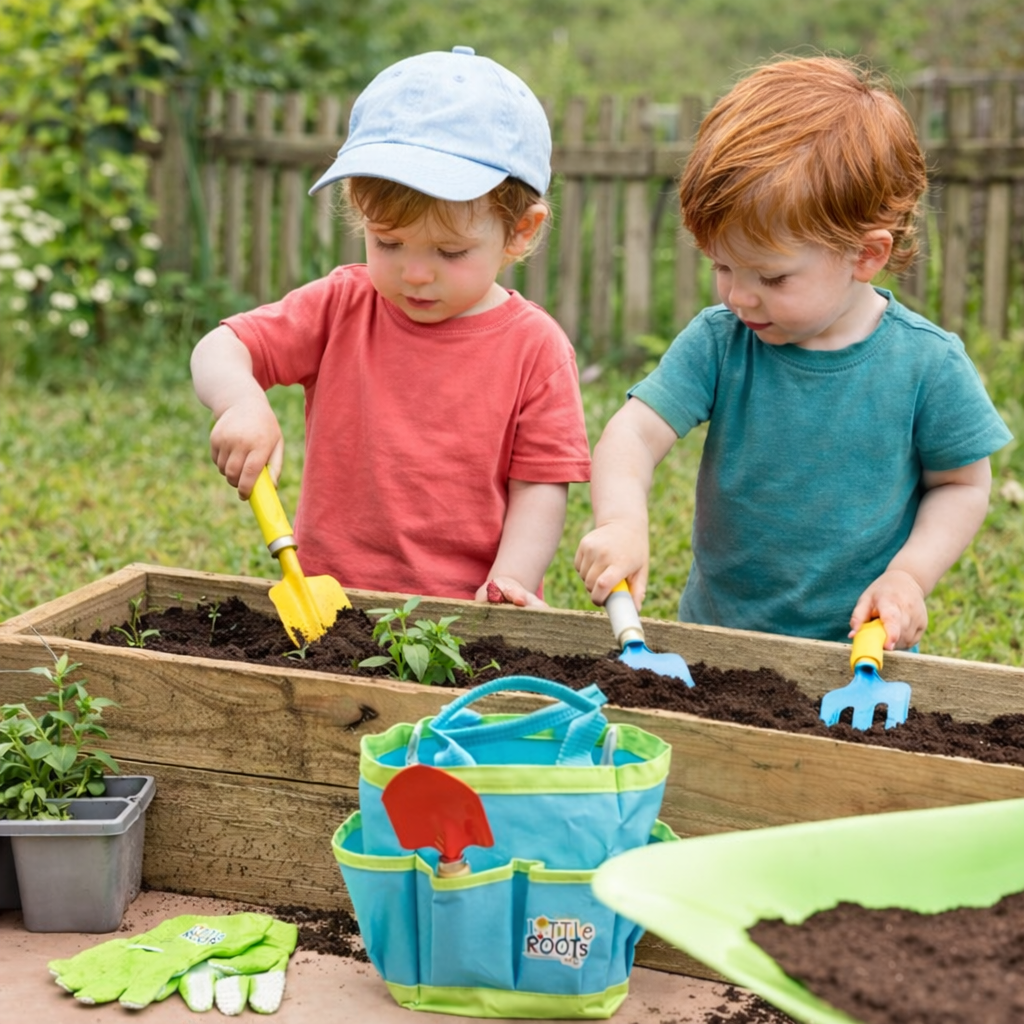
Open-ended activities allow toddlers to explore their environment and follow their curiosity.
Examples include:
- stacking toys
- pouring water
- drawing
- exploring nature
- simple building activities
Outdoor play is especially valuable during this stage because it supports both physical and emotional development — and often leads to calmer behaviour and better sleep. If you’re looking for simple ways to get outside more,
→ 10 Simple Spring Outdoor Activities for 2 Year Olds
shares easy, low-prep ideas that work well at this age.
5. Limit Overstimulation
Modern environments often contain constant noise, screens, and distractions.
While occasional entertainment is normal, toddlers often benefit from calmer spaces that allow them to focus on exploration and play.
Simple ways to reduce overstimulation include:
- limiting background television
- rotating toys rather than offering too many at once
- creating quiet play spaces
- encouraging outdoor time
When toddlers are not overwhelmed by stimulation, they are often able to concentrate more deeply on activities.
6. Spend Time Together
Toddlers thrive when they feel connected to their caregivers.
Even small moments of attention can strengthen this connection.
Examples include:
- reading together
- cooking simple meals together
- talking during walks
- playing simple games
These everyday interactions support healthy toddler development and help children feel secure and confident.
Connection is one of the most powerful foundations of happiness during early childhood.
Toddlers often seek comfort and connection from their caregivers, especially when they feel tired or overwhelmed — which is why phases of clinginess can suddenly become more intense. If you’re noticing that,
→ Why Toddlers Cling to Mum — Especially When She’s Exhausted
explains what’s behind it and how to respond more calmly.
7. Allow Messy Learning
Toddlers learn through hands-on exploration.
This often involves:
- spills
- dropped toys
- paint on hands
- messy meals
While it can sometimes feel chaotic, these moments are part of how children develop coordination and curiosity.
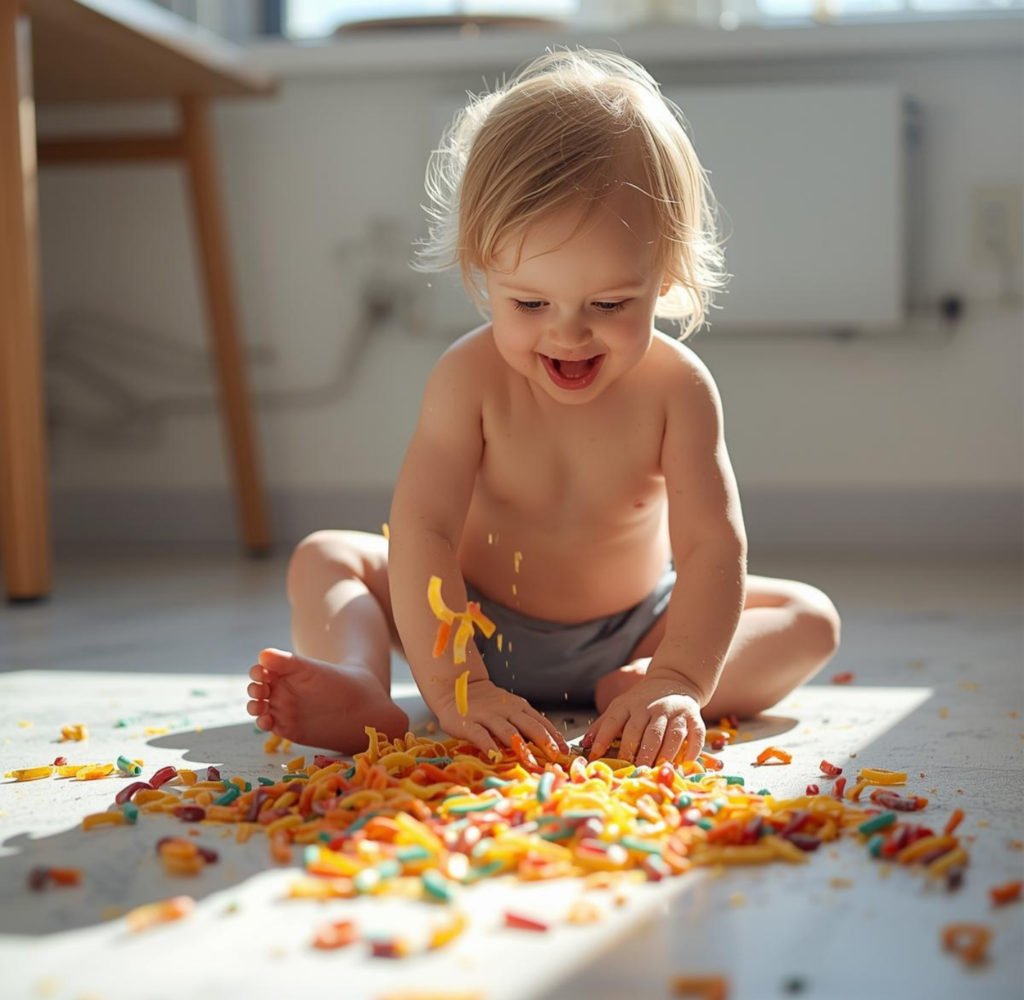
Providing safe opportunities for exploration helps toddlers build confidence and resilience.
Many behaviours that seem frustrating to adults — like throwing food during meals — are often part of toddlers exploring their environment. If you’re seeing this regularly,
→ Why Toddlers Throw Food (And What It Really Means)
breaks down what’s actually happening and how to respond calmly.
8. Focus on Connection Rather Than Perfection
Parents often feel pressure to create the “perfect” environment or follow every parenting guideline exactly.
In reality, toddlers benefit most from consistent care, patience, and loving relationships.
Simple daily interactions — talking, playing, and listening — have a far greater impact than any specific parenting technique.
When children feel understood and supported, happiness naturally grows from these foundations.
How to Tell If Your Toddler Is Happy
Parents sometimes worry that tantrums, messy play, or strong emotions mean their child is unhappy. In reality, these behaviours are a normal part of toddler development.
A happy toddler does not mean a child who is calm all the time. Toddlers experience big emotions because they are still learning how to manage their feelings.
Instead, happiness during toddlerhood often appears through small everyday behaviours.
Some signs your toddler is developing in a healthy and happy way include:
Curiosity about the world
Happy toddlers are often eager to explore their surroundings. They may investigate new objects, ask questions, or experiment with different activities.
Curiosity is a strong sign that a child feels safe enough to engage with their environment.
A desire to try things independently
Toddlers who want to pour their own drink, carry objects, or help with small tasks are showing confidence in their abilities.
This desire for independence is a healthy part of development.
Moments of joyful play
Laughter, silly games, and imaginative play are clear indicators that toddlers feel comfortable and relaxed in their environment.
Even short bursts of joyful play show emotional wellbeing.
Seeking comfort from caregivers
Happy toddlers still need reassurance and connection. When children seek hugs, attention, or comfort from parents, it shows they trust their caregivers as a secure base.
Strong attachment is one of the most important foundations of emotional wellbeing.
Recovering after difficult moments
Toddlers will still experience frustration and tantrums. What matters more is that they can eventually calm down with support.
The ability to return to play or curiosity after a difficult moment often reflects a child who feels secure and supported.
Gentle Reassurance for Parents
It is easy to feel concerned when toddlers behave in unpredictable ways. However, strong emotions, curiosity, and a desire for independence are often signs that children are developing exactly as they should.
A happy toddler is not perfectly calm or quiet. Instead, happiness during this stage usually looks like curiosity, connection, and a growing sense of confidence.
By creating a supportive environment and responding with patience, parents support healthy toddler development and help children grow into confident, curious, and happy individuals.