Preparing for a Newborn: Essentials You’ll Actually Use Daily – Practical Picks
As your due date gets closer, it’s easy to feel like you need everything.
Lists grow longer, recommendations pile up, and preparing for your baby can quickly feel overwhelming.
But in reality, most parents reach for the same few things every single day.
This guide focuses on what you’ll actually use—simple, practical essentials that support calm routines and make those early weeks easier.

🧺 Everyday Care Essentials (What You’ll Use Most)
In the newborn stage, care is gentle, repetitive, and led by you.
These are the items you’ll likely reach for multiple times a day.
Disclaimer: This post contains affiliate links. As an Amazon Associate I earn from qualifying purchases at no extra cost to you.
🧻 Muslin Cloths (Used Constantly)
Muslin cloths are one of the most used items in any newborn home.
They’re helpful for:
- wiping milk from your baby’s face
- cleaning hands after feeding
- bath time
- general gentle cleaning
Simple, soft options like Little Bamboo Muslin Baby Wash Cloths 6 Pack (30 cm x 30 cm) are ideal for everyday routines.
Recommended: Little Bamboo Muslin Baby Wash Cloths
↗ Check current price on Amazon

Larger muslins are also incredibly useful. Multi-use options like Aden + Anais Classic Muslin Swaddle Blankets (112 cm x 112 cm) can be used as a swaddle, a lightweight cover, or even a breathable sheet in warmer weather.
Recommended: Aden + Anais Muslin Swaddles
↗ Check current price on Amazon

🧻 Baby Wipes & Nappies (Practical Support)
While many routines at home can be done with cloth and water, wipes are often helpful when you need something quick—especially when out or during nappy changes.
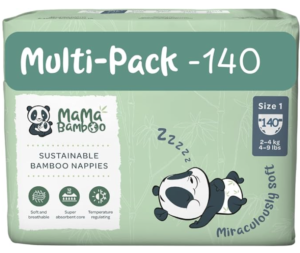
Some families choose gentler options like Mama Bamboo Sustainable Bamboo Baby Wipes and matching nappies, designed with plant-based materials and a high water content.
Used alongside cloth-based routines, they can offer a practical balance between simplicity and convenience.
↗ Check the current price for Mama Bamboo Baby Wipes
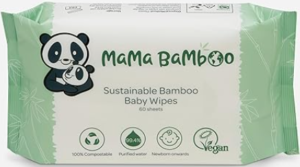
↗ Check the current price for Mama Bamboo Nappies for Newborns
🍼 Feeding Support (When You Need It)
Feeding looks different for every family, and it’s not something you need to overprepare for.
Even if you’re planning to breastfeed, there may be times when a pump becomes useful—not necessarily for building a routine, but simply for comfort. In the early days, milk can come in quickly, and some mothers experience fullness or discomfort.
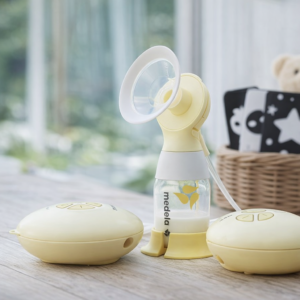
Having a simple option like the Medela Swing Flex Single Electric Breast Pump can allow you to gently release a small amount of milk when needed, helping to avoid soreness without adding pressure to pump regularly.
I initially tried using a manual pump, but found it quite tiring and time-consuming—especially during those early, already demanding days. Switching to an electric option made a noticeable difference, saving time and allowing me to focus more on my baby rather than the process.
Recommended: Medela Swing Flex Breast Pump
↗ Check current price on Amazon
🛏️ Sleep & Comfort (Keep It Simple)
Sleep in the early days is often unpredictable, so keeping things simple helps.
You’ll likely use:
- breathable layers
- soft fabrics
- minimal setup
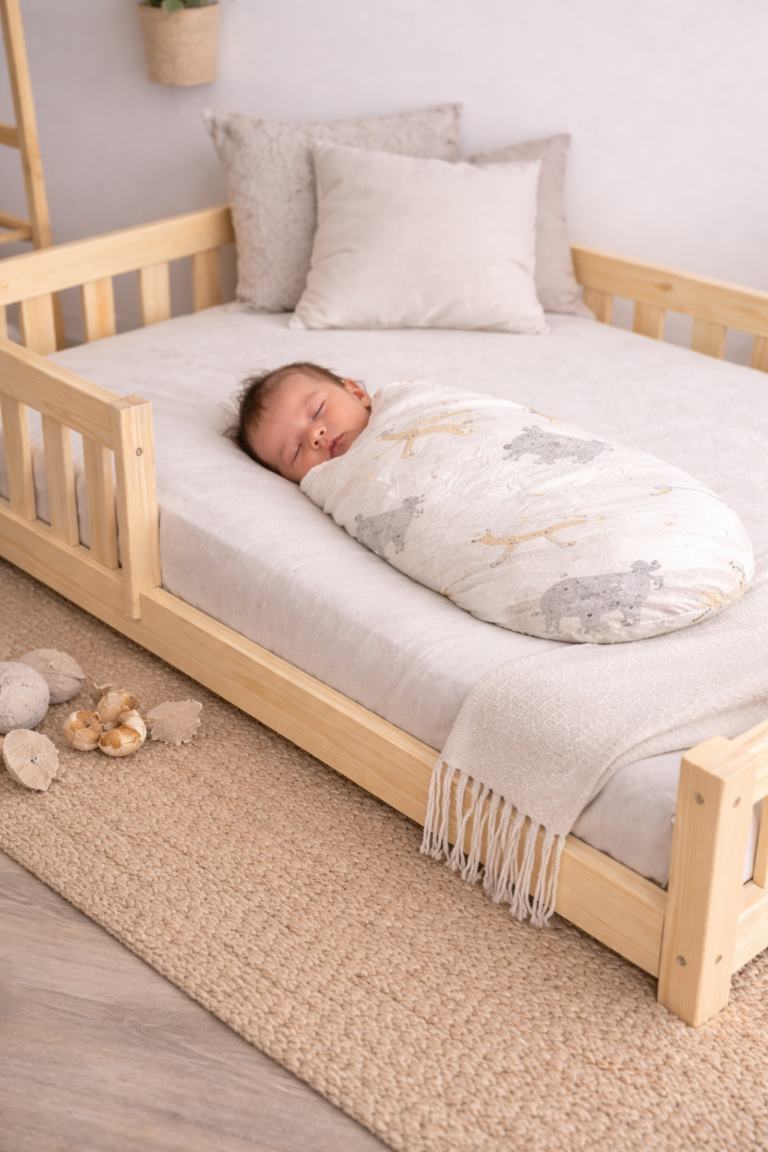
Muslin swaddles can again be useful here, offering a light, familiar layer for rest.
If you’re planning your baby’s space, you may also find this helpful:
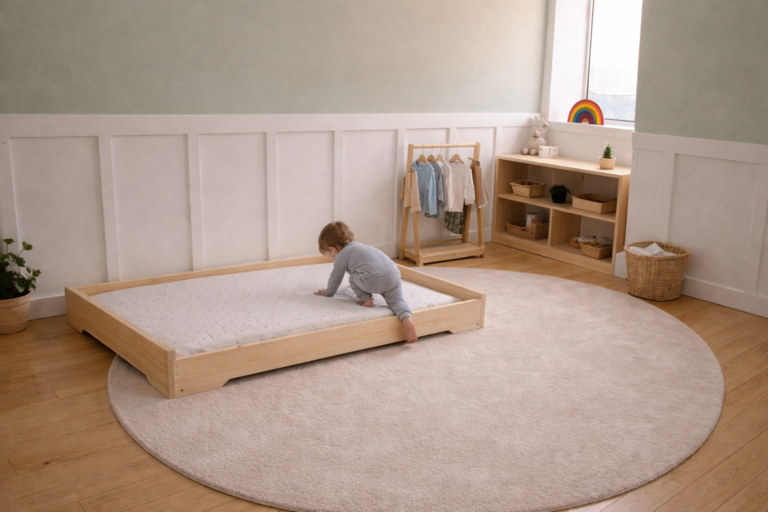
→ Montessori Bedroom for a Newborn: A Simple Setup Guide
Many families also explore different sleep arrangements to find what works best for them.
→ Co-Sleeping With a Baby: Bedsharing Safety Guide for New Parents
🛏️ A Simple Blanket (Breathable & Practical)
A lightweight blanket is something many parents end up using daily—whether for naps, outings, or layering.
In the UK, cellular blankets are often recommended because of their breathable structure, which helps regulate temperature more effectively than heavier fabrics.
Simple options like Clair de Lune Cellular Baby Blanket are commonly used for this reason.
Recommended: Clair de Lune Cellular Blanket
↗ Check current price on Amazon
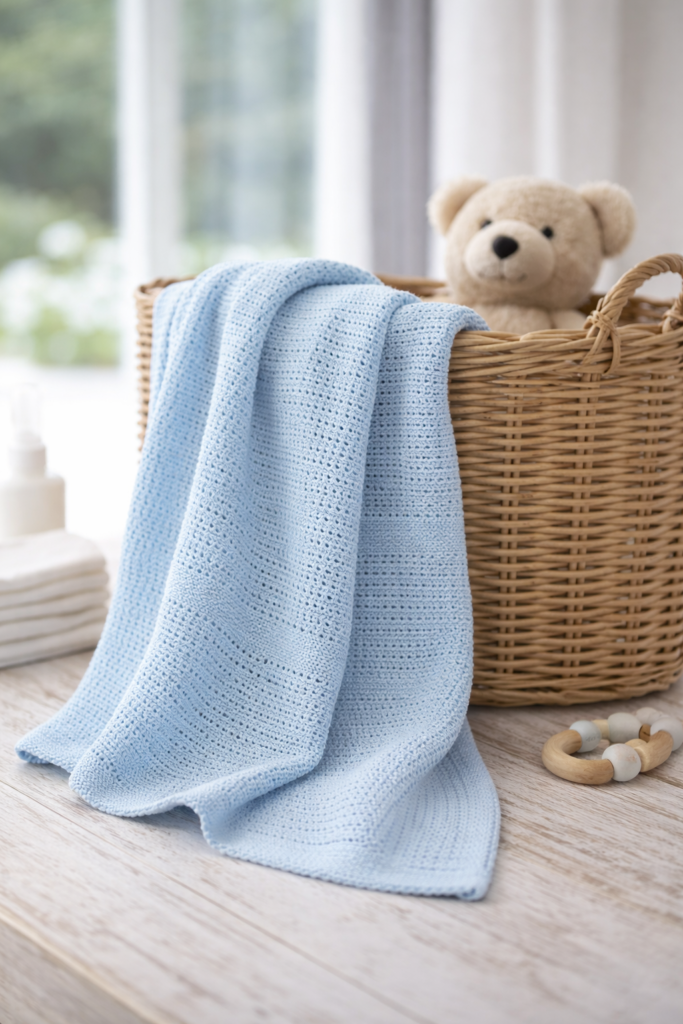
They’re practical, easy to wash, and can be used in a variety of situations without adding complexity.
🧠 Gentle Visual Stimulation (Simple is Enough)
In the early weeks, your baby doesn’t need a lot of stimulation.
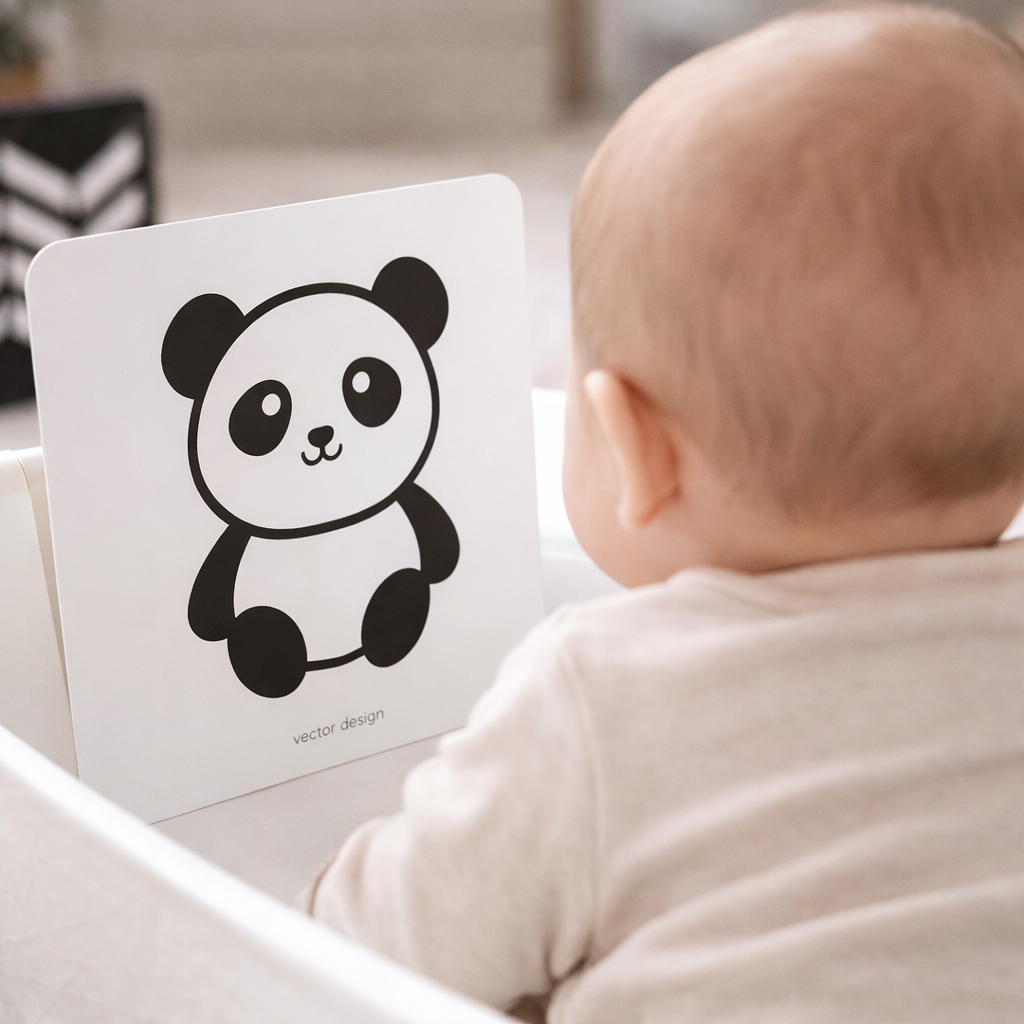
But simple, high-contrast visuals can support early visual development.
Black and white flashcards are often used for short, calm moments of focus, offering just enough stimulation without overwhelming your baby.
🎠 A Simple Play Space (Optional, Not Essential)
As your baby grows, you may begin to introduce a soft, simple play area.
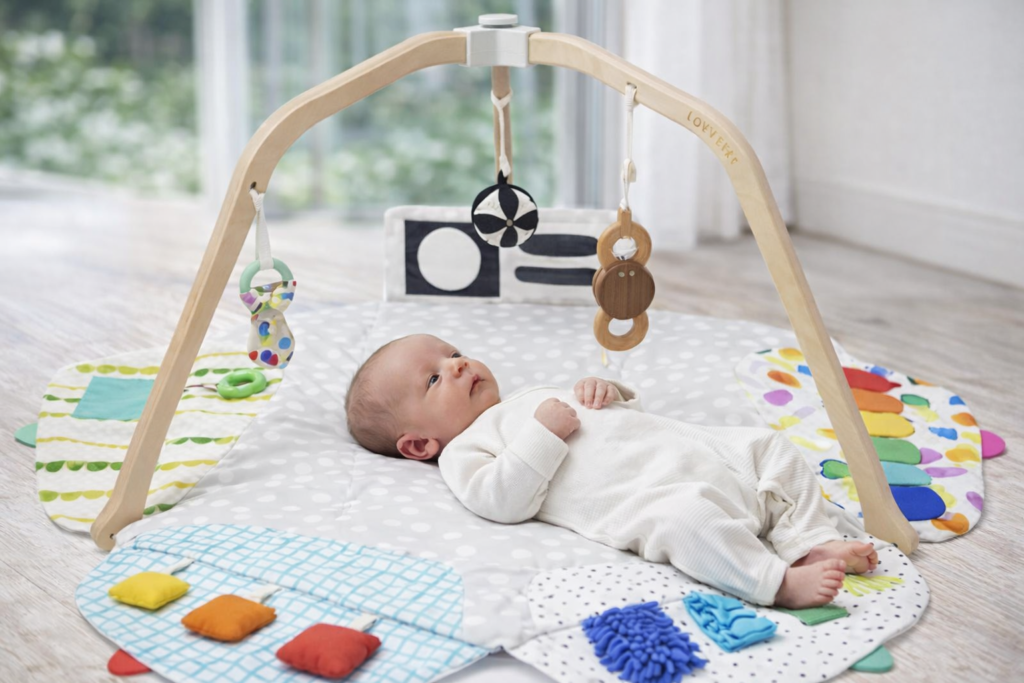
Options like the Lovevery Play Gym are designed to support development through simple, purposeful play.
While it’s not something you need immediately, it can be a thoughtful addition as your baby becomes more alert and begins to engage with their surroundings.
If you’re creating a baby registry, this is also the kind of item many parents choose to include—especially as it’s something you might not prioritise buying yourself, but can be a meaningful and longer-lasting gift compared to smaller items you may receive in excess.
Recommended: Lovevery Play Gym
↗ Check current price on Amazon
That said, in the early weeks, your baby primarily needs:
- closeness
- rest
- simple interaction
🧼 What You Don’t Need (But Often Buy Anyway)
One of the biggest surprises for new parents is how little they actually use from long “must-have” lists.
You can usually skip:
- too many specialised products
- complicated setups
- large quantities of single-use items
Starting simple makes everything easier.
❌ What You Don’t Need Yet (And When You Might)
One of the biggest surprises for new parents is how many products are marketed as “essential” but aren’t needed right away.
In the early weeks, your baby’s needs are simple.
Here are a few things you can confidently wait on:
🛁 Baby Wash and Shampoo (Keep It Simple at First)
👉 Not needed until ~4-6 weeks
In the early weeks, bathing your baby doesn’t need to be complicated.
According to NHS guidance, you only need a few simple things to get started:
- a baby bath, clean washing-up bowl, or sink
- two towels
- cotton wool
- a clean nappy
- clean clothes
The most important part is making sure the room is warm, as newborns can get cold quickly.
You don’t need to use any cleansers in the first month—plain water is usually enough for your baby’s delicate skin.
Baths should be gentle, unhurried, and ideally not right after feeding or when your baby is tired.
👉 In other words, simple is best at the beginning.
🧴 What You Might Add Later
As your baby grows, you may choose to introduce a gentle wash into your routine.
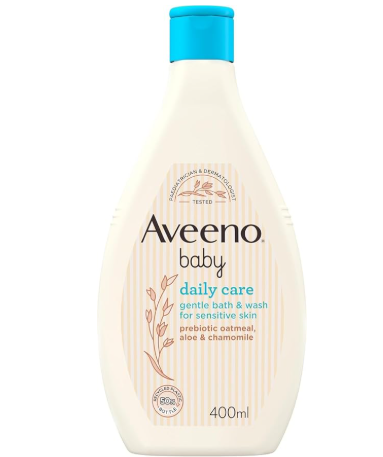
Some parents prefer mild options like Aveeno Baby Daily Care Gentle Bath & Wash, which are designed for sensitive skin and can be used once your baby’s skin is ready for it.
↗ Check current price for Aveeno Baby Gentle Bath & Wash
🛁 A Simple Bath Option That Grows With Your Child
👉 Not needed until ~4-6 weeks
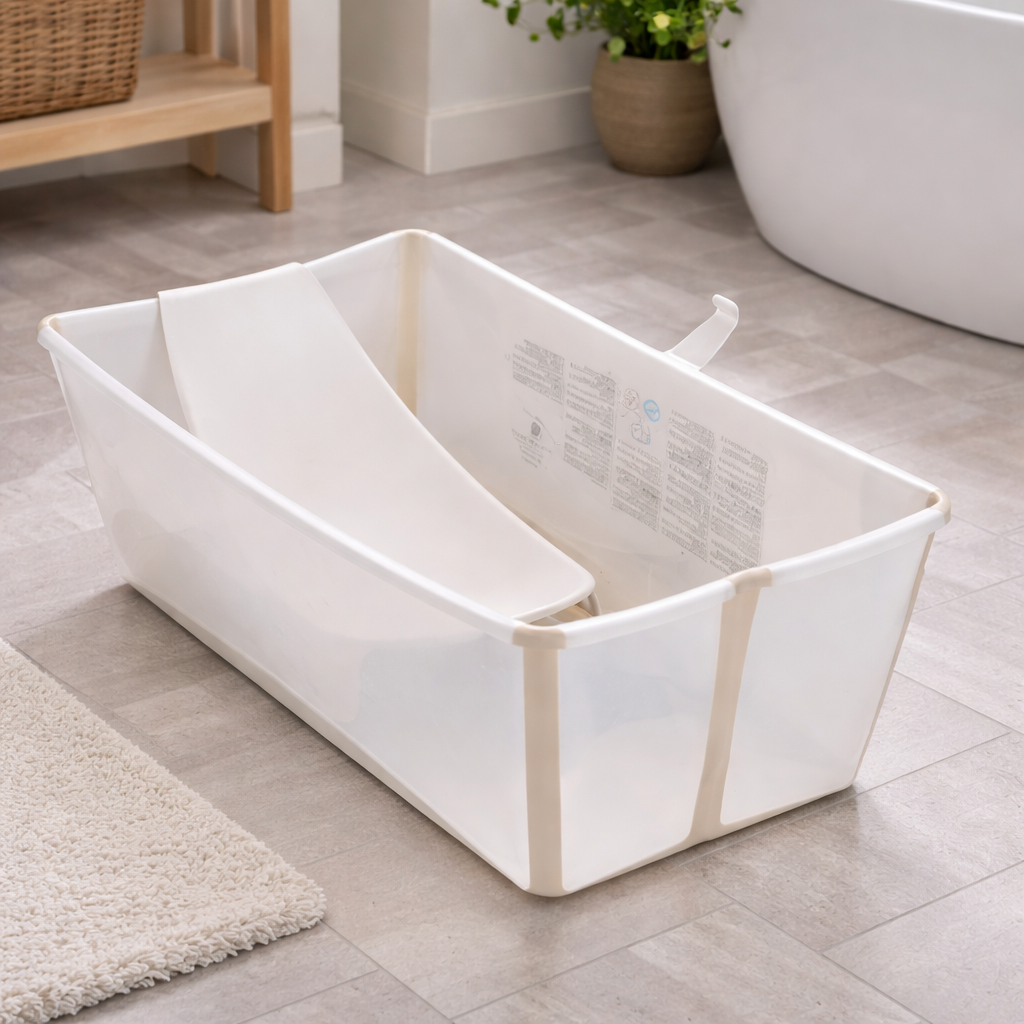
While you can absolutely use a sink or bowl in the early weeks, some families prefer having a dedicated bath—especially as their baby grows and becomes more active.
A foldable option like the Stokke Flexi Bath with Newborn Support is often chosen for its practicality. It can be used from the newborn stage with support, and continues to be useful well into toddlerhood.
Recommended: Stokke Flexi Bath
↗ Check current price on Amazon
🪑 High Chair
👉 Not needed until ~6 months
Your baby won’t be eating solids for several months, so a high chair will sit unused for a while.
🍽️ Weaning Sets (Plates, Cups, Cutlery)
👉 Not needed until ~6 months
These become useful when your baby starts exploring food—but not before.
🧸 Toys & Activity Products
👉 Not needed until ~2–3 months (and even then, minimal)
In the early weeks, your baby benefits most from:
- closeness
- simple interaction
- rest
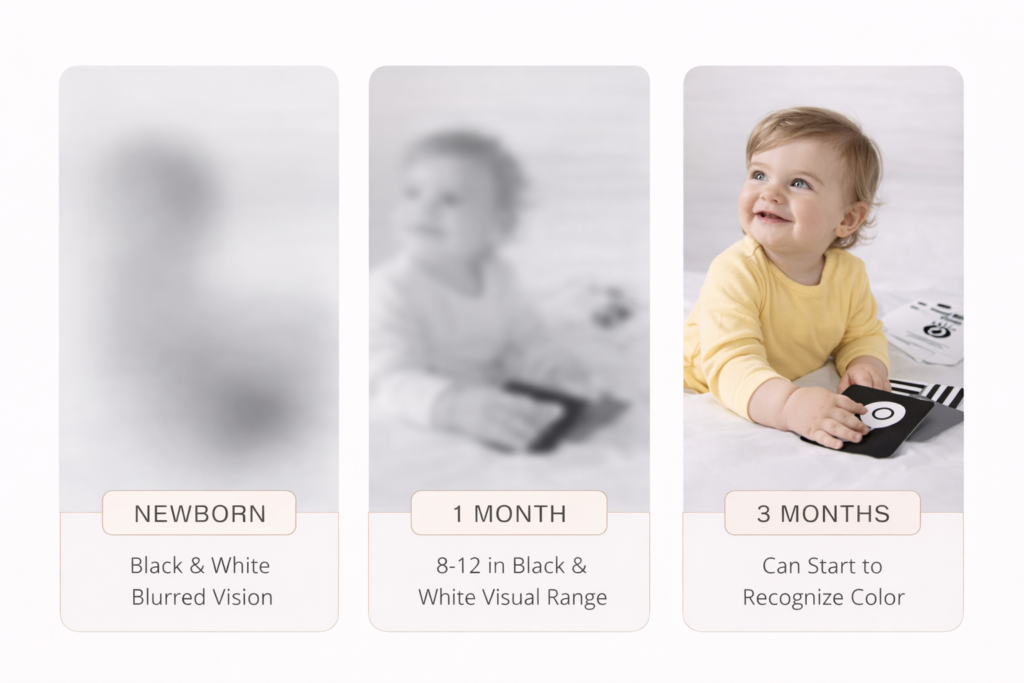
A few simple items like black and white cards for tummy time are more than enough at first.
Recommended: Simple black and white flashcards
↗ Check current price on Amazon
🎠 Play Gyms
👉 Not needed until ~6–8 weeks
While they can be useful later, newborns don’t need structured play setups immediately.
You can introduce something like the Lovevery Play Gym when your baby begins to spend short periods awake and alert.
🧴 Large Quantities of Products
👉 Not needed at all (start small)
It’s tempting to stock up—but your baby’s needs (and your preferences) will become clearer over time.
Start with:
- a few essentials
- small quantities
Then adjust as needed.
🧼 Specialised Cleaning Gadgets
👉 Usually unnecessary
Simple tools—like cloths, water, and a small setup—are often more practical than complicated systems.
🍼 Multiple Feeding Products
👉 Wait until you know what works for you
Feeding can look very different for each family.
Start simple, and only add products once you know what you actually need.
👶 Large Wardrobes
👉 Start small
Babies grow quickly, and you’ll likely rotate through a small number of items repeatedly.
🌿 Why Starting Simple Matters
When you begin with fewer items:
- routines feel easier
- your space stays calmer
- you avoid unnecessary spending
And most importantly—
👉 you create room to adjust as you learn what works for you and your baby.
🌿 Creating a Calm, Practical Setup
A calm environment doesn’t come from having more—it comes from having what you need, easily accessible.
A simple setup might include:
- a small basket with cloths
- a few key items within reach
- a clear place for everything
This aligns naturally with a Montessori approach:
- simple materials
- consistent routines
- thoughtful choices
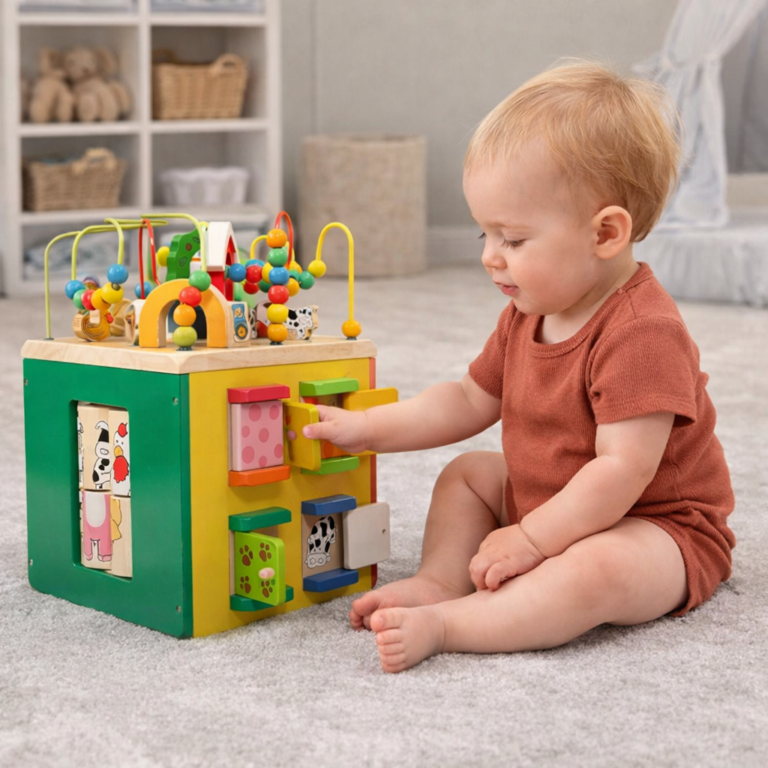
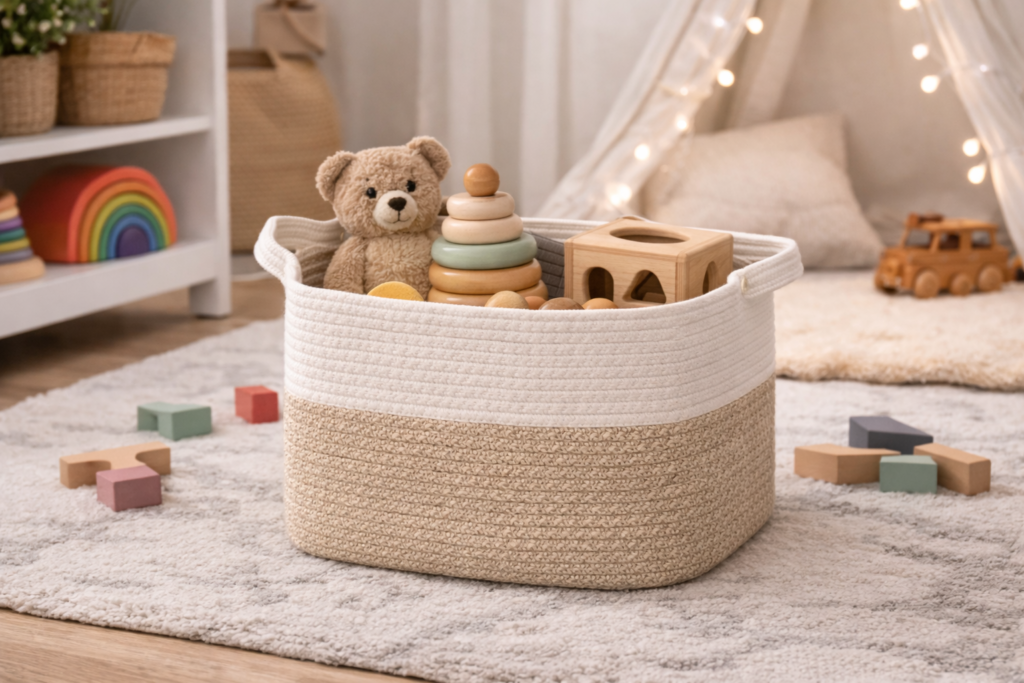
A small basket with just a few calming items is usually enough — simple stacking toys or soft objects tend to work best here.
Too many choices create stimulation at the wrong time of day.
If bedtime is difficult, simplifying the bedroom often helps more than adjusting the routine.
Recommended: Woven Storage Basket (33x25x22.5cm)
↗ Check current price on Amazon
⭐ Start Here (If You’re Unsure)
If you’re preparing for your baby and want to keep things simple, start with:
- muslin cloths
- a few larger muslins (swaddles)
- gentle wipes and nappies
- one optional feeding support item
These alone will support most of your daily routines.
🧾 Final Thoughts
You don’t need everything before your baby arrives.
You just need a few things that work.
Start simple.
Adjust as you go.
Because in the early days, it’s not about having more—
👉 it’s about having what you’ll actually use.