Best Sensory Toys Recommended by Therapists for Autistic Children (3+)
Many parents search for the best sensory toys for autistic children when looking for tools that help with calming, focus, and sensory regulation.
Finding the right sensory toys can make a big difference for autistic children. Many therapists recommend simple sensory tools that help children regulate their emotions, focus their attention, and feel calmer during daily activities.
Sensory toys therapists recommend for autistic children are designed to provide safe sensory input that supports emotional regulation, focus, and sensory processing.
For many autistic children, everyday environments can feel overwhelming:
• Sounds may feel louder
• Textures may feel uncomfortable
• Busy environments can quickly become overstimulating
Because of this, therapists often introduce sensory tools that help children regulate their bodies, focus their attention, and feel calmer during play.
Guidance referenced by the NHS highlights the importance of helping autistic children explore sensory experiences safely. Sensory toys and activities can support this by providing controlled sensory input that helps children learn how to regulate their bodies.
In this guide, we’ll explore sensory toys therapists commonly recommend for autistic children aged 3 years and older, along with simple ways parents can introduce them at home. Many of these tools are commonly used in occupational therapy sessions, sensory rooms, and home environments to help children manage sensory differences.
Disclaimer: This post contains affiliate links. As an Amazon Associate I may earn from qualifying purchases at no extra cost to you.
Why Sensory Toys Can Help Autistic Children
Autistic children often experience differences in sensory processing.
Some children may feel overwhelmed by certain sensations, while others may actively seek strong sensory input.
Therapists often introduce sensory tools that help children:
• regulate their nervous system
• reduce sensory overload
• improve focus and attention
• develop body awareness
• feel calmer during transitions
These tools provide safe, structured sensory input that can help children learn to regulate their emotions and responses to sensory experiences.
If you’re interested in calmer, natural materials, you may also enjoy our guide to Montessori sensory toys for autistic toddlers, which focuses on simple sensory play.
Quick Picks: Sensory Toys Therapists Recommend
If you’re short on time, here are some commonly recommended sensory tools that many autistic children respond well to.
Best Sensory Toys for Autistic Children (Ages 3+)
| Therapy Putty | Hand strength & calming | Provides satisfying resistance and tactile input |
| Noise-Cancelling Headphones | Sound sensitivity | Reduces overwhelming background noise |
| Fidget Toys | Focus & regulation | Repetitive movement helps regulate attention |
| Weighted Lap Pad | Deep pressure input | Can help children feel calmer during quiet activities |
| Chewable Sensory Necklace | Oral sensory needs | Safe outlet for chewing and self-regulation |
👉 See the full toy explanations below.
Best Sensory Toys Therapists Recommend for Autistic Children
Every child’s sensory needs are different, so it may take time to discover what works best.
Below are several sensory tools commonly used in therapy settings.
1. Therapy Putty and Tactile Toys
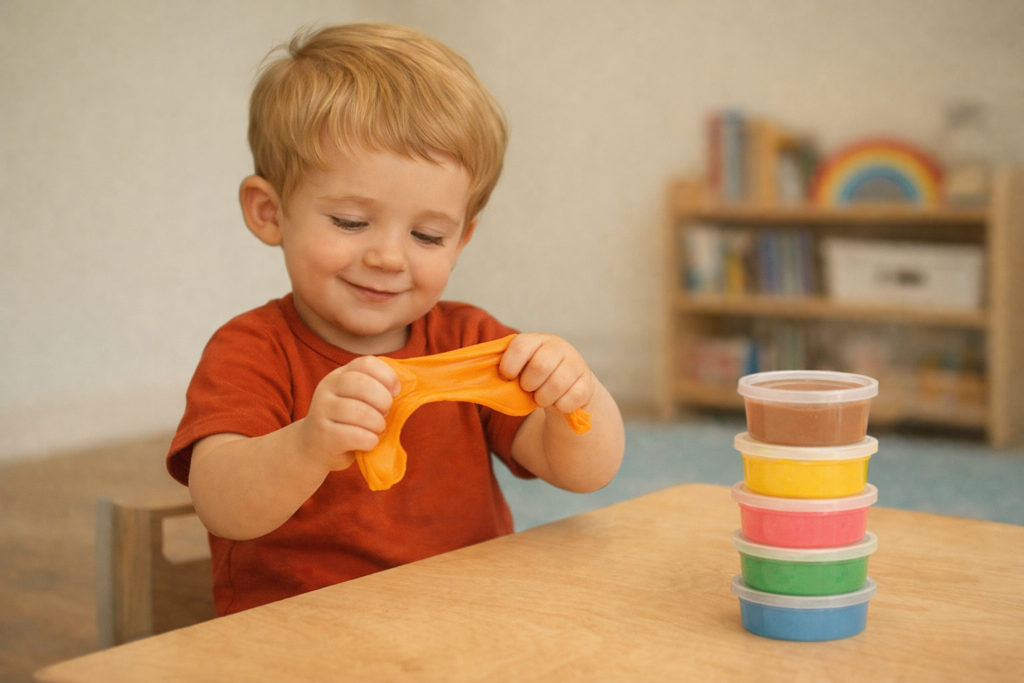
Therapy putty is often used by occupational therapists to support fine motor development and sensory regulation.
Children can squeeze, stretch, roll, and twist the putty, which provides calming tactile feedback.
These toys help support:
• hand strength
• sensory regulation
• focus and concentration
👉 See an example Therapy Putty Sensory Toy here. This therapy putty set includes five resistance levels (extra soft to extra firm) so children can squeeze, stretch, and strengthen their hands at their own pace. Each colour-coded tub is portable, non-toxic, and designed for tactile play, helping support finger coordination, dexterity, and calming sensory input during play:
2. Fidget Toys
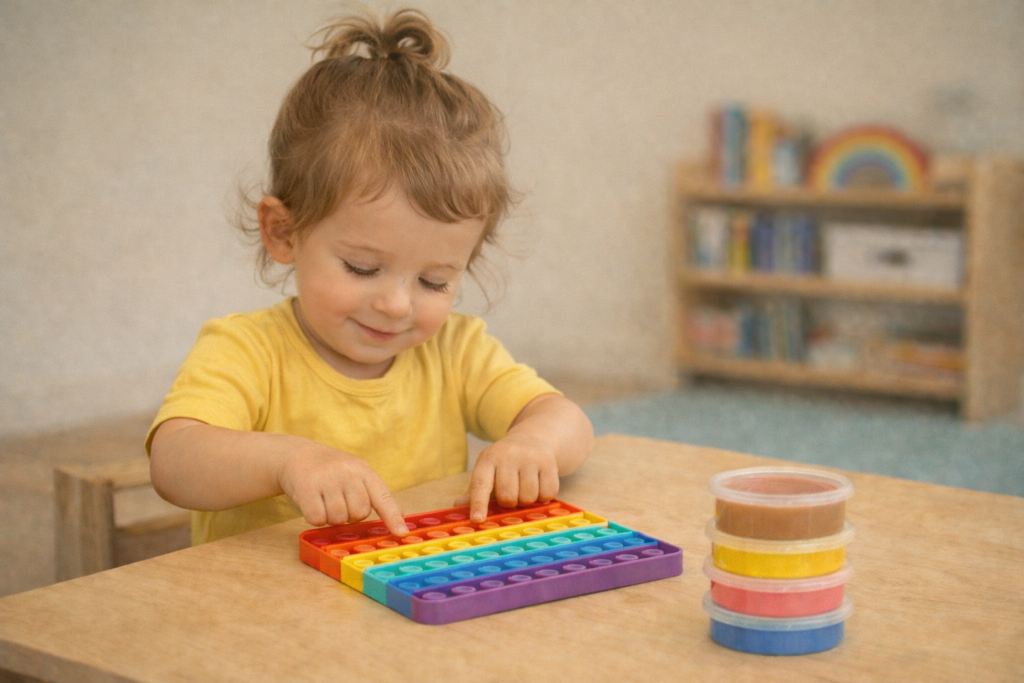
Fidget toys provide repetitive movement that helps many children regulate their attention and energy levels.
These toys are particularly helpful during:
• quiet play
• classroom activities
• travel or waiting situations
Examples include:
• pop-it toys
• simple spinners
• tactile fidget cubes
👉 See an example Push and Pop Bubble Sensory Fidget Toy here:
3. Noise-Cancelling Headphones
Many autistic children are sensitive to sound.
Busy environments like supermarkets, classrooms, or family gatherings can quickly become overwhelming.
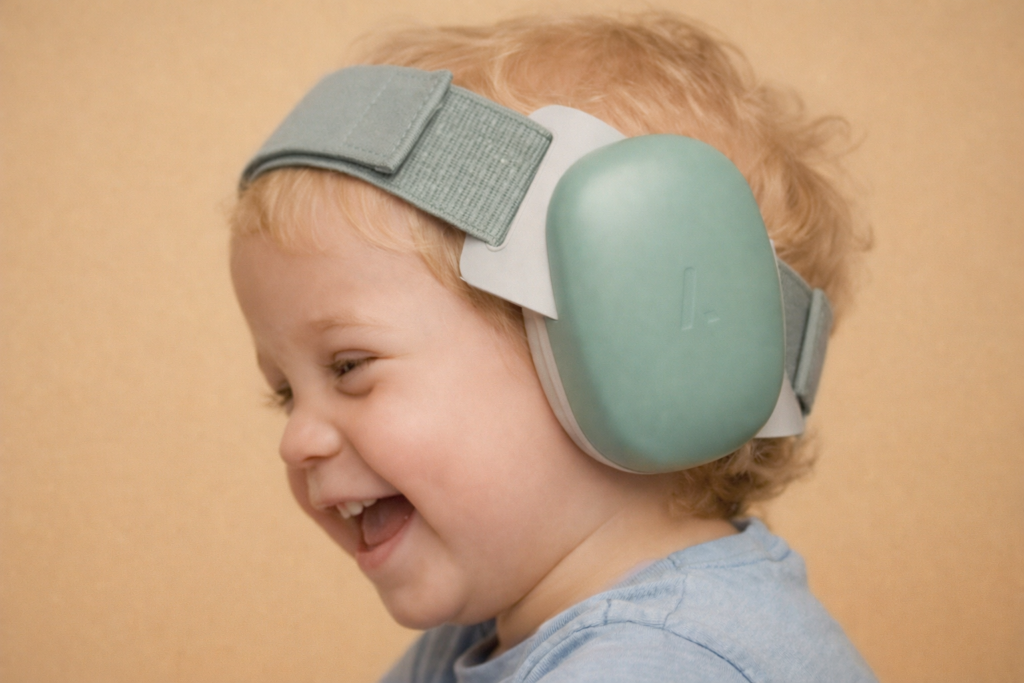
Noise-reducing headphones can help children feel more comfortable in noisy environments.
👉 Alpine Muffy Baby Comfort Ear Defenders for Babies and Toddlers lightweight noise-reducing headphones designed to protect sensitive ears with 24 dB sound reduction, soft padding, and a comfortable adjustable headband suitable for toddlers and young children up to around four years old:
4. Weighted Lap Pads
Some therapists recommend deep pressure tools, which provide gentle, calming pressure on the body.
A small weighted lap pad can be used during quiet activities such as:
• reading
• homework
• drawing or puzzles
Deep pressure input can help some children feel calmer and more grounded.
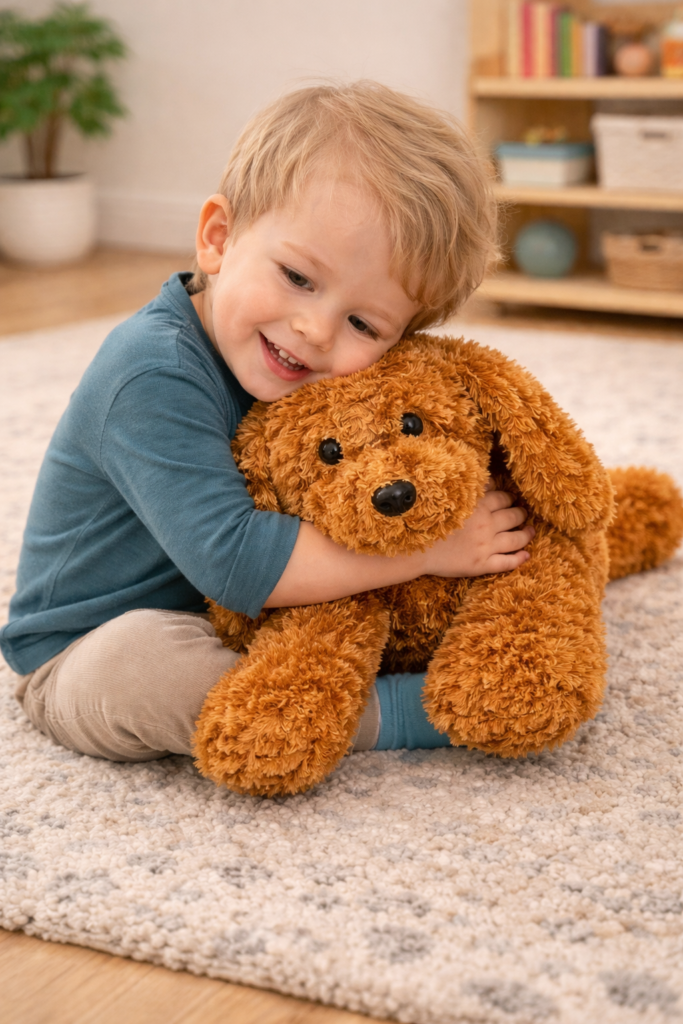
👉 See an example Weighted Lap Pad for Toddlers and Children that we use and love:
⚠️ Always follow safety guidelines and consult a professional if unsure whether weighted items are appropriate.
5. Chewable Sensory Tools
Some autistic children seek oral sensory input and may chew on clothing, pencils, or toys.
Chewable sensory tools provide a safe alternative.
They help children:
• release tension
• regulate stress
• satisfy oral sensory needs
👉 See an example Silicone Chew Necklace set here:
These chew necklaces are made from 100% food-grade silicone, providing a safe and hygienic option for children who need oral sensory input. They are BPA-free, non-toxic, and easy to clean, with a break-away clasp for added safety. Many families use them to help children stay calm, regulate sensory needs, and avoid chewing on clothing, fingers, or pencils.
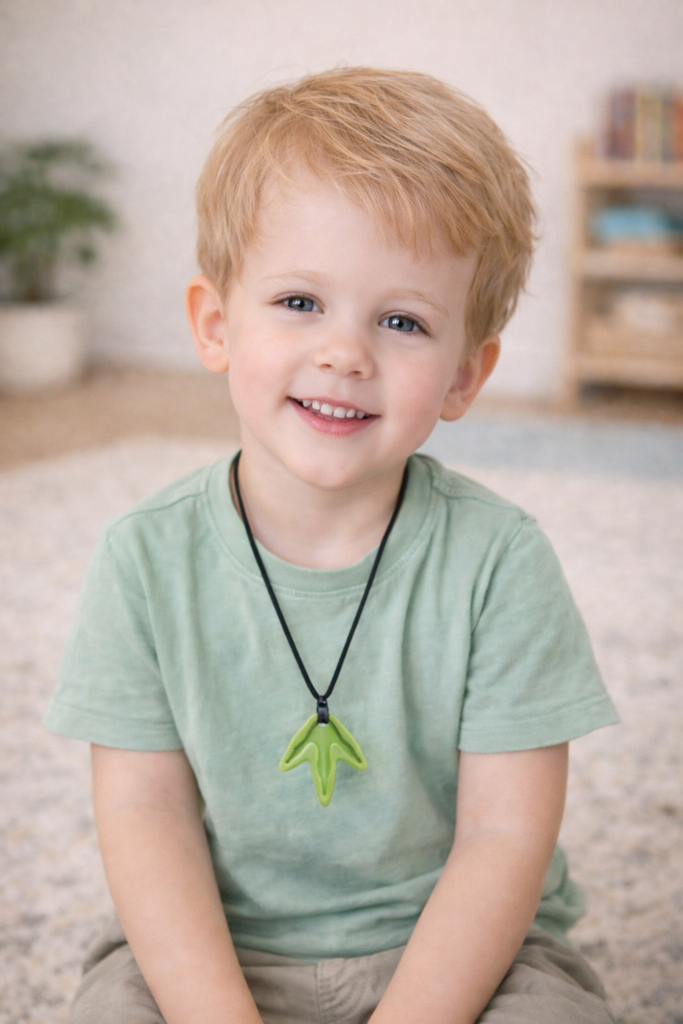
Why parents like it:
• safe alternative to chewing clothes or toys
• soft, durable silicone for sensory regulation
• easy to wash with water or in the dishwasher
• adjustable cord with break-away safety clasp
• multiple shapes included for variety
6. Sensory Lighting and Visual Tools
Some children find gentle visual stimulation calming.
Examples include:
• bubble tubes
• lava lamps
• sensory light projectors
• colour-changing lights
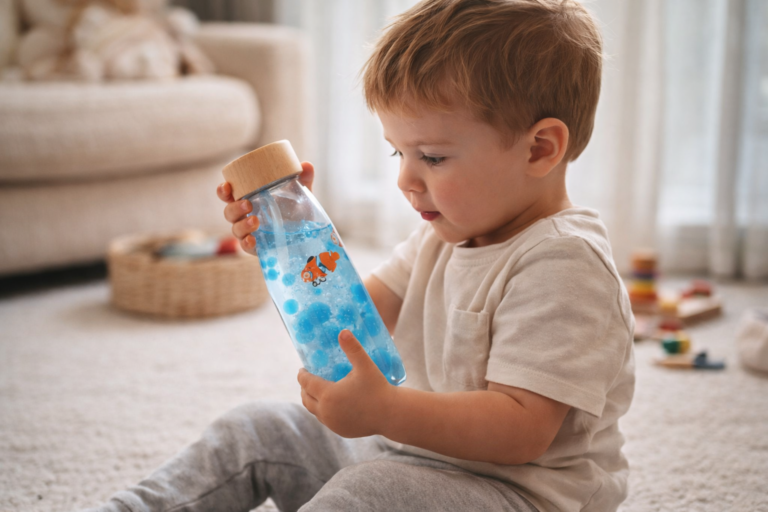
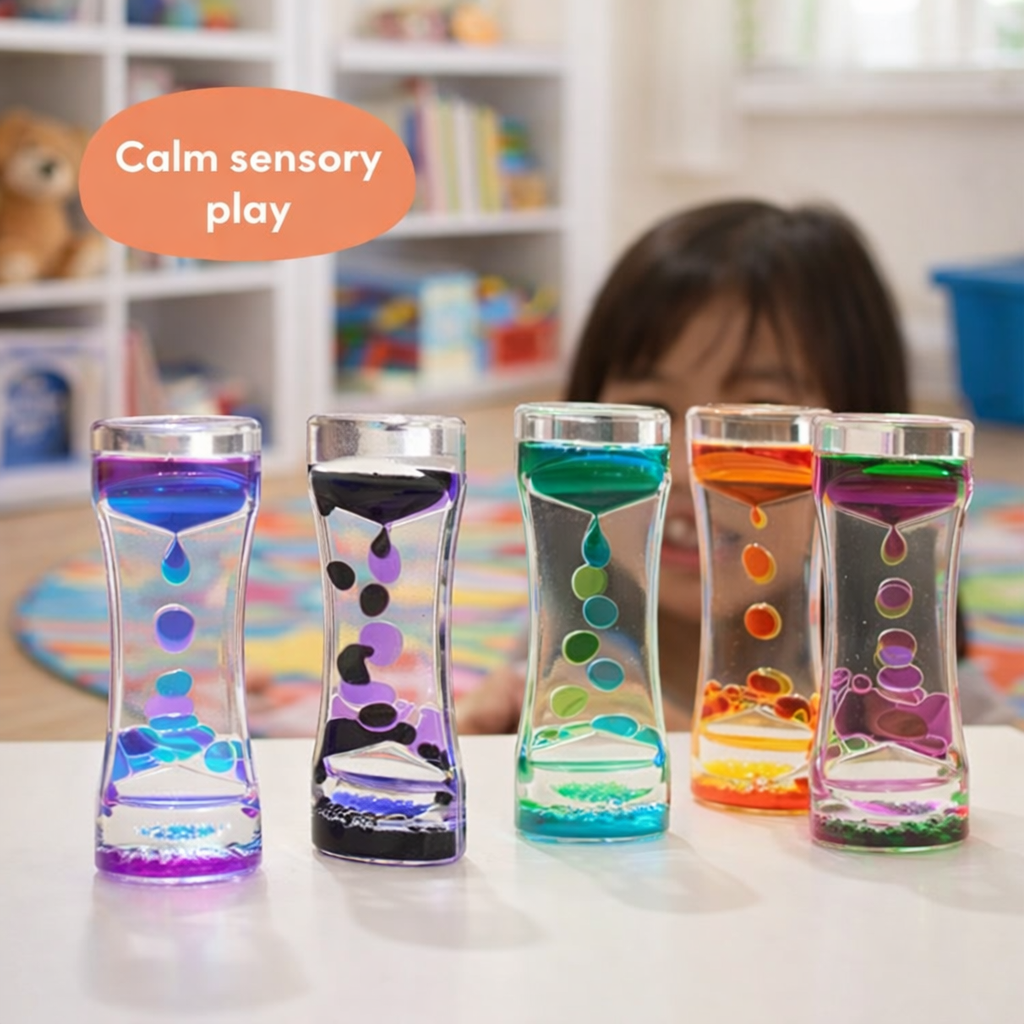
These tools provide slow, predictable visual movement that some children find relaxing.
👉 See an example of a Lava Lamp that doubles up as a Timer Hourglass:
7. Sensory Play Activities
Open-ended sensory play is often recommended as part of sensory support strategies.
Activities might include:
• sensory bins with rice or beans
• modelling dough
• water play
• kinetic sand
• blowing bubbles
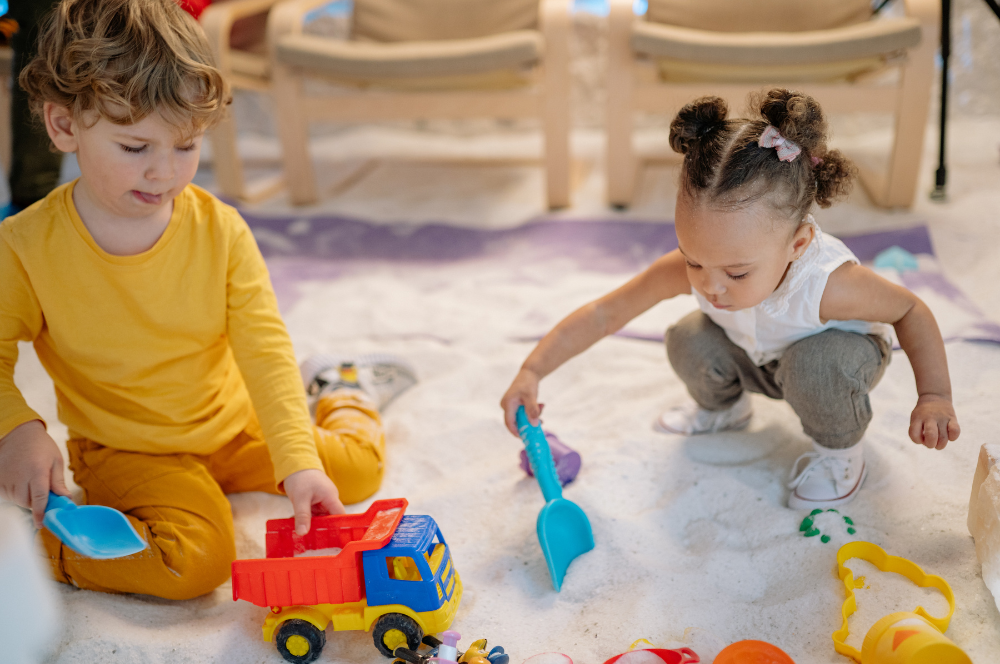
These activities allow children to explore textures gradually and build comfort with different sensory experiences.
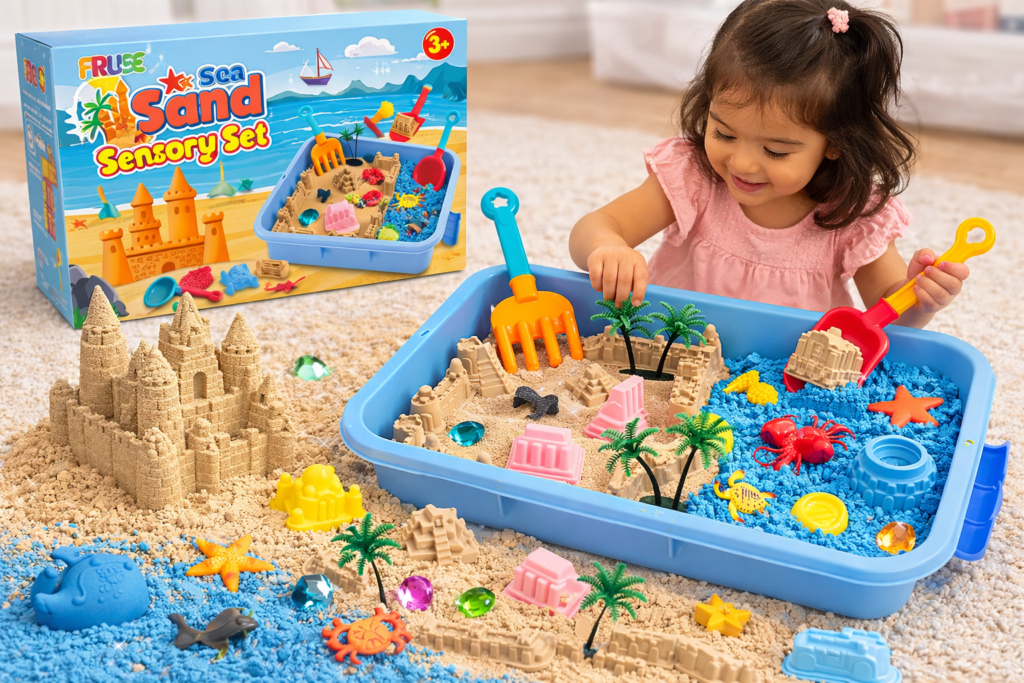
This sensory sand play set is a fantastic hands-on activity for toddlers who enjoy tactile exploration. The soft kinetic sand and interactive tools allow children to scoop, mould, and build while exploring different textures and shapes. Many parents use sensory sand play to encourage calm focus, creative play, and sensory regulation in a fun and engaging way.
Why parents love this sensory sand set:
• Encourages hands-on sensory play through moulding, scooping, and building
• Helps develop fine motor skills, coordination, and creativity
• Includes a variety of tools and moulds for imaginative sand play
• Provides tactile sensory input that many children find calming and engaging
• Great for independent play, sensory bins, or quiet playtime activities
👉 See an example Sensory Play Bin Kit here:
Many families also include sensory play as part of a predictable daily rhythm. You can see an example in our Montessori toddler daily routine guide.
Creating a Sensory Toolbox at Home
Some therapists encourage families to create a small sensory toolbox or calm-down kit.
This might include:
• a fidget toy
• therapy putty
• headphones
• a chewable toy
• a comfort object
These items can be placed in a quiet area where children can access them when they feel overwhelmed.
Some families place these tools in a calm corner, which gives children a predictable space to regulate their emotions.
You can read more about this in our guide to creating a Montessori calm corner for toddlers.
Every Child’s Sensory Needs Are Different
One of the most important principles of sensory support is that every child’s sensory profile is unique.
A toy that feels calming for one child may feel overwhelming for another.
Because of this, parents often need to experiment with different sensory tools to discover what works best.
Start with one or two items and observe how your child responds.
Over time, you may find a small set of sensory tools that help your child feel calmer and more comfortable throughout the day.
Final Thoughts
Many of the sensory toys therapists recommend for autistic children are simple tools that provide calming sensory input and encourage focused play.
Sensory toys can support autistic children as they learn to regulate their emotions, manage sensory experiences, and interact more comfortably with their environment.
The most important step is observing your child and discovering which types of sensory input help them feel calmer, more focused, and more secure.
With time and patience, even a few carefully chosen sensory tools can make daily routines easier and more enjoyable for both children and parents.
Sensory Toy Ideas Parents Often Try First
If you’re just starting to explore sensory toys, many parents begin with a few simple tools that support different types of sensory input.
A small mix of sensory toys can help you see which types your child responds to best.
Common starting options include:
• Therapy putty for squeezing and stretching
• Fidget toys for repetitive movement and focus
• Noise-cancelling headphones for sound sensitivity
• Chewable sensory necklaces for oral sensory needs
• Sensory bins or play dough for tactile exploration
Many families create a small sensory toolbox with a few favourite items that children can use when they feel overwhelmed or need a calming break.
Over time, you may discover which sensory tools help your child feel calmer, more focused, or more comfortable during daily activities.
If you’re just starting out, begin with one or two sensory tools and observe how your child responds. Over time you can build a small sensory toolbox that helps your child feel calmer and more comfortable throughout the day.
Frequently Asked Questions About Sensory Toys for Autistic Children
What sensory toys help autistic children?
Sensory toys that provide calming or engaging sensory input can help autistic children regulate their emotions and focus their attention.
Common examples include:
- therapy putty
- fidget toys
- chewable sensory necklaces
- textured sensory balls
- noise-cancelling headphones
- sensory lights or bubble tubes
These tools provide sensory feedback that can help children feel calmer and more comfortable in different environments.
At what age can autistic children use sensory toys?
Many sensory toys are suitable for children aged 3 years and older, although some simple sensory activities can be introduced earlier depending on the child’s development.
Always choose toys that are appropriate for your child’s age and follow manufacturer safety guidelines.
Why do autistic children benefit from sensory toys?
Some autistic children experience differences in sensory processing, which means sounds, textures, lights, or movement may feel overwhelming or uncomfortable.
Sensory toys can help by providing controlled sensory input that supports:
- emotional regulation
- focus and concentration
- calming during stressful situations
- body awareness and coordination
Over time, these tools can help children learn how to manage sensory experiences more comfortably.
What are the best calming sensory toys for autistic children?
Calming sensory toys often include tools that provide repetitive movement or gentle pressure.
Examples include:
- therapy putty
- stress balls
- weighted lap pads
- sensory lighting
- soft comfort toys
These items can help children relax during quiet activities like reading, drawing, or resting.
Can sensory toys help with meltdowns?
Sensory toys cannot prevent every meltdown, but they can help children regulate their bodies before sensory overload becomes overwhelming.
Many families create a small sensory toolbox or calming space that includes favourite sensory toys, headphones, or comfort items that children can use when they start to feel overwhelmed.
Some parents also create a calm corner, which provides a quiet space where children can relax and regulate their emotions.
Are sensory toys recommended by therapists?
Many therapists, including occupational therapists, use sensory tools during therapy sessions to support sensory regulation and focus.
However, every child’s sensory needs are different. A toy that feels calming for one child may feel overwhelming for another.
Parents may need to experiment with different sensory tools to discover which ones work best for their child.
How do I choose the right sensory toy for my child?
The best sensory toy depends on your child’s sensory preferences. Some children benefit from tactile toys they can squeeze or manipulate, while others prefer calming tools like headphones or visual sensory lights. It may take some experimentation to discover which types of sensory input help your child feel most comfortable.