10 Simple Spring Outdoor Activities for 2 Year Olds
When the weather begins to warm up, many parents start searching for simple spring outdoor activities for 2-year-olds.
At this age, toddlers are curious, energetic, and eager to explore the world around them — but they still have very short attention spans. Many traditional “kids activities” are simply too complicated for them.
The good news is that toddlers don’t need elaborate crafts or structured games.
In fact, the most engaging outdoor activities for 2-year-olds are often the simplest ones. Try this once: take your toddler outside with no plan, no toys, and no instructions — just space to explore.
Spring naturally provides everything toddlers love: water, dirt, flowers, movement, and sensory exploration.
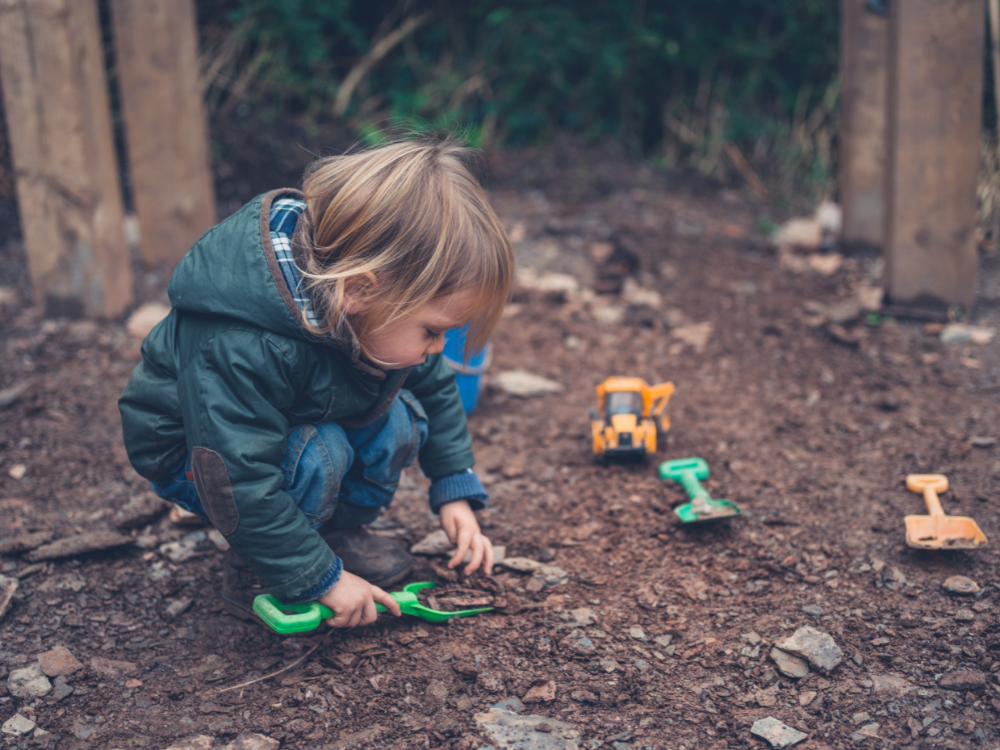
Montessori environments encourage this type of hands-on discovery because it helps toddlers build concentration, coordination, and independence.
Below are simple outdoor activities that work particularly well for younger toddlers (around 24–30 months), when curiosity is high but patience is still developing.
One of the overlooked benefits of getting outside isn’t just for your toddler — it’s for you, too.
Indoors, there are more limits to hold, more mess to manage, and more moments that can quickly turn into frustration. Outside, much of that pressure softens. There’s less to control, less to tidy, and fewer things that feel like a problem.
A puddle isn’t a mess. Mud isn’t a disaster. It’s just part of the environment.
When there’s less to react to, it becomes easier to stay calm, follow your child’s lead, and enjoy the moment alongside them.
Why getting outside helps you too
✔ Less mess to manage
✔ Fewer things to say “no” to
✔ Less pressure to entertain constantly
✔ No need to keep everything tidy
✔ More space for movement (no jumping on furniture)
✔ Fewer power struggles
✔ Easier to stay calm and patient
✔ More opportunities to say “yes”
✔ Fresh air helps regulate your mood too
✔ Slower, more relaxed pace of the day
Why Spring Is Perfect for Toddler Outdoor Play
Spring offers an ideal environment for toddlers to explore the world safely.
At this age children learn primarily through:
- movement
- sensory experiences
- repetition
- observation
Outdoor play naturally supports all of these.
The changing environment also introduces toddlers to new experiences such as:
- flowers blooming
- insects appearing
- soil and water exploration
- longer daylight hours
These experiences stimulate curiosity while helping toddlers connect with the natural world.
Simple outdoor play can also help regulate energy levels and improve sleep, which many parents notice during the toddler years.
If your toddler often struggles with emotional ups and downs during this stage, you may also notice that behaviour changes appear suddenly. This guide explains why 18-month-olds can suddenly become moody and emotionally intense, and how developmental shifts influence toddler behaviour.
Disclaimer: This post contains affiliate links. I may earn a small commission at no extra cost to you. As an Amazon Associate I earn from qualifying purchases.
1. Watering Plants
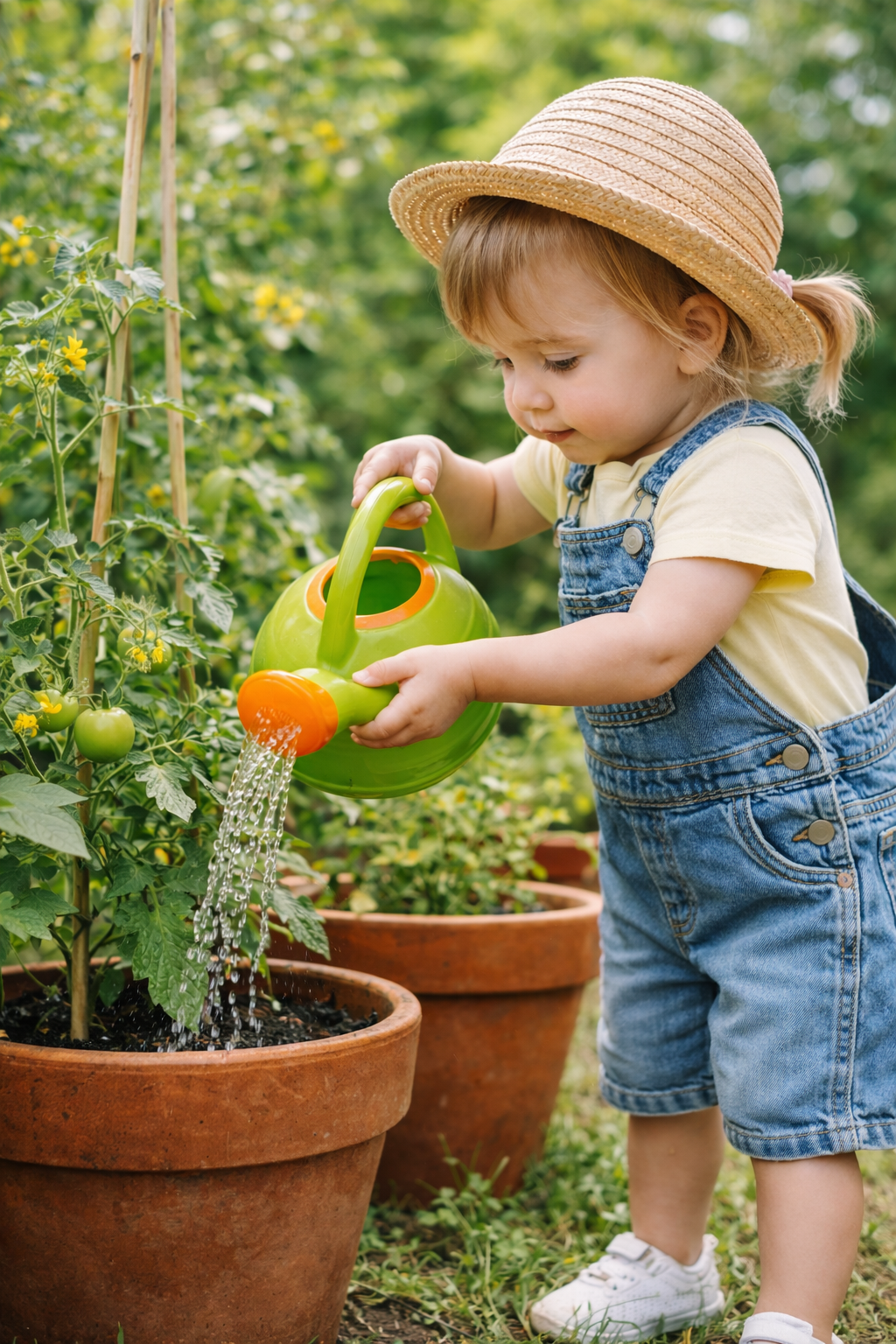
One of the simplest spring activities for toddlers is watering plants.
Young children love activities that feel purposeful. Giving them a small watering can and allowing them to water plants helps them feel involved in everyday life.
This activity supports:
- hand-eye coordination
- independence
- understanding cause and effect
Even if the watering is enthusiastic rather than precise, toddlers gain valuable experience caring for something.
If you have a garden, you can assign your toddler a small section to water each day.
Many families find that a small child-sized watering can makes this activity easier for toddlers to manage. A lightweight toddler watering can with a narrow spout allows children to practise pouring slowly without spilling large amounts of water, which helps them stay engaged in the activity for longer.
→ View a lightweight toddler watering can designed for easy, controlled pouring
2. Flower Petal Sensory Play
Spring flowers create a beautiful natural sensory activity.
Collect a few fallen petals and place them in a bowl or tray with water.
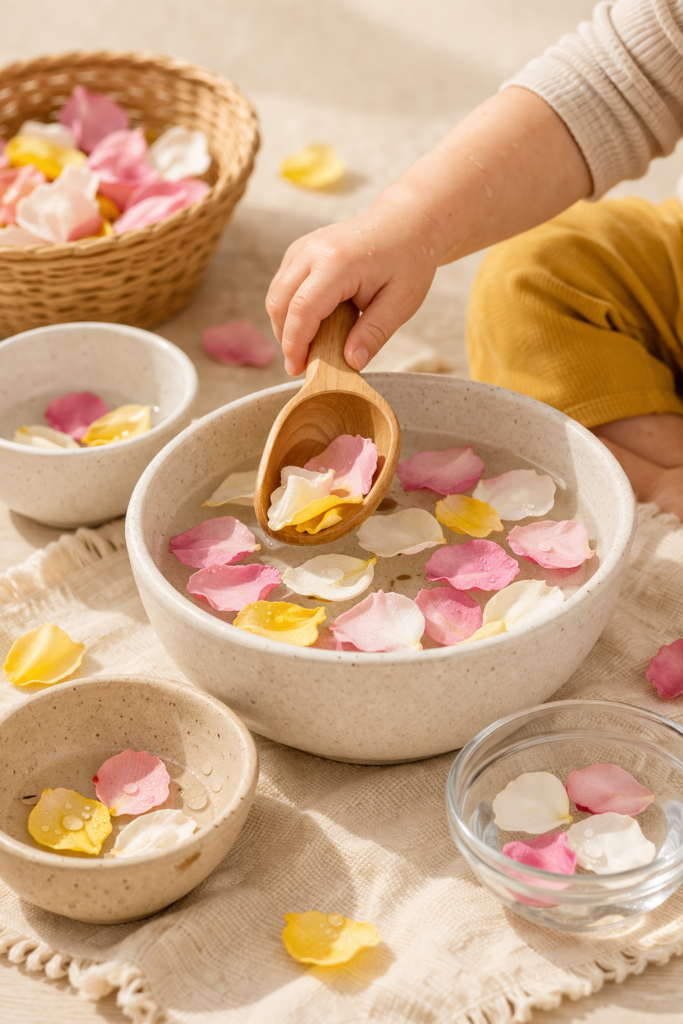
Toddlers enjoy:
- scooping petals
- moving them between containers
- watching how they float
This activity combines water play with natural materials, which tends to hold toddler attention longer than plastic toys.
You can also talk about colours and textures as your child explores.
3. A Simple Nature Basket
A nature basket is one of the easiest Montessori-style activities for toddlers.
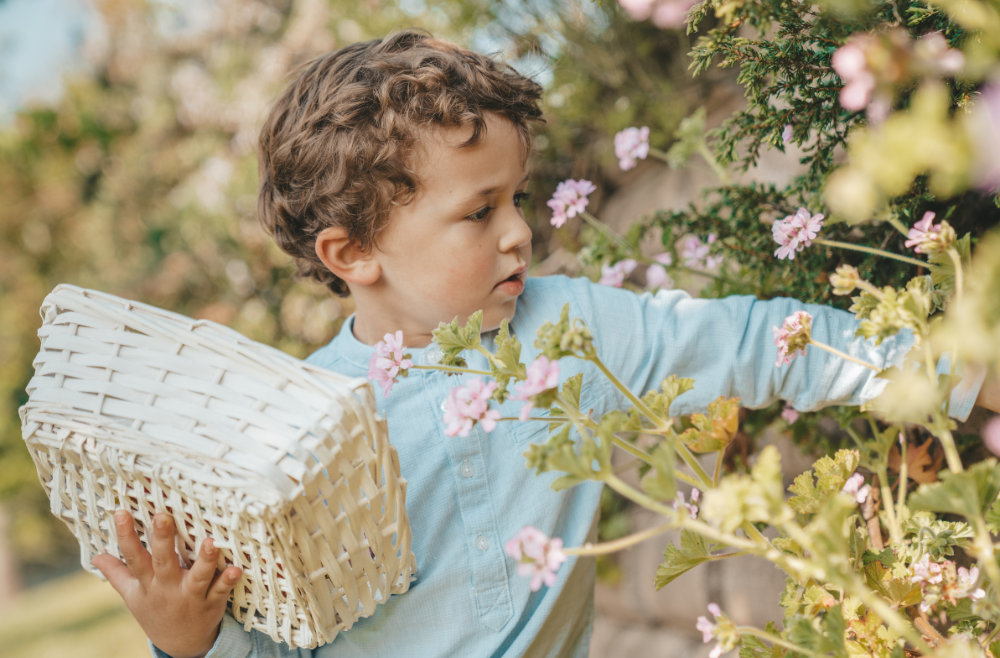
During a walk or time in the garden, collect small natural items such as:
- leaves
- petals
- small sticks
- pinecones
- stones
Place them in a basket or tray and allow your toddler to explore them at home.
Toddlers often spend surprising amounts of time examining natural objects.
This type of activity encourages:
- observation
- sensory exploration
- early classification skills
It also helps toddlers develop curiosity about their environment.
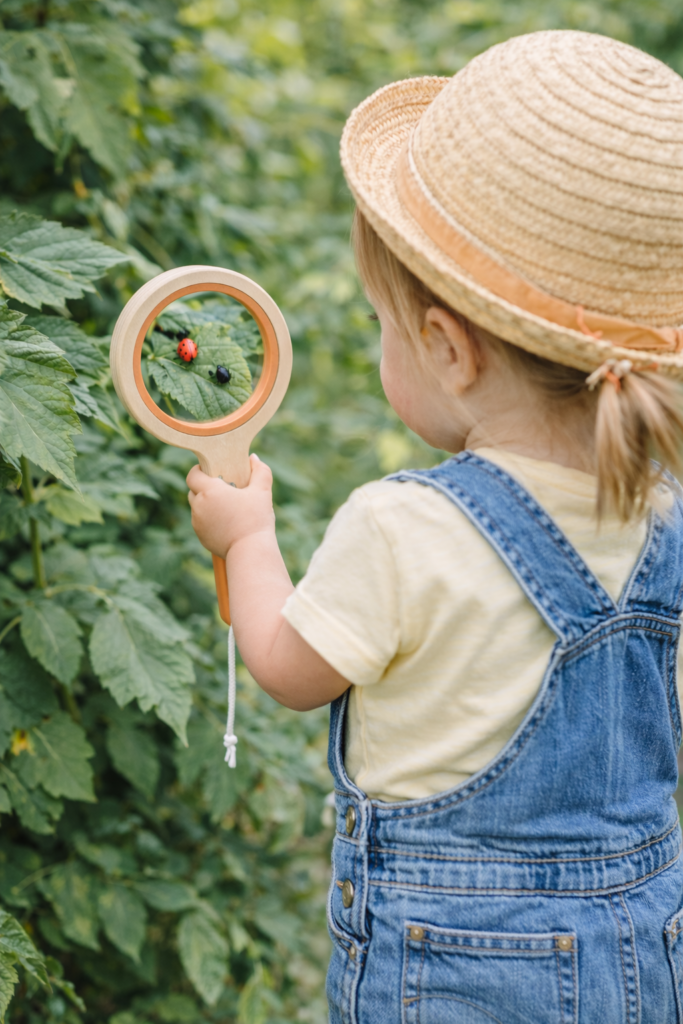
Some parents also introduce a small magnifying glass during nature exploration. Toddlers love examining leaves, flowers, and insects more closely, and a simple child-friendly magnifying glass can turn an ordinary walk into a much more engaging discovery activity.
→ View a simple child-friendly magnifying glass for nature exploration
4. Bubble Chasing
Bubbles are a classic toddler activity for a reason.
They encourage movement, coordination, and joyful interaction.

Toddlers love:
- chasing bubbles
- popping them
- watching them float
Because bubbles are unpredictable, they naturally capture toddler attention.
Bubble play also supports gross motor development as children run, reach, and jump.
5. Mud Kitchen Play
Many toddlers are fascinated by mixing water and dirt.
A simple mud kitchen can be created using basic household items.
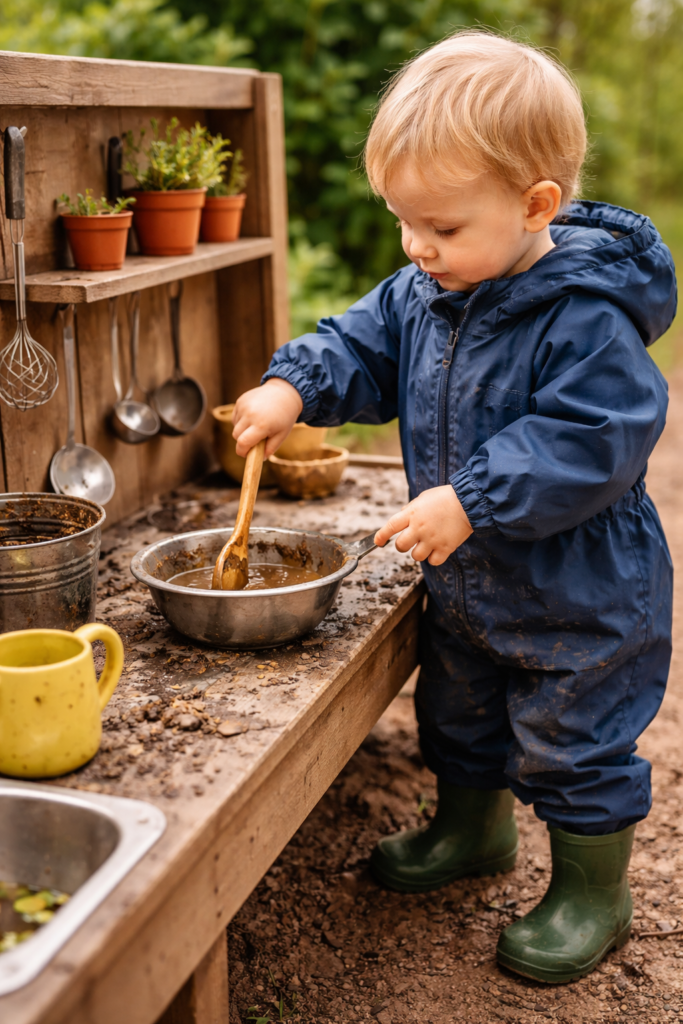
You only need:
- a bowl or bucket
- water
- soil or sand
- a spoon or cup
Toddlers enjoy mixing and pouring while creating imaginary “soups.”
Although it can be messy, mud play provides valuable sensory experiences that support brain development.
6. Sidewalk Chalk Drawing
Sidewalk chalk allows toddlers to experiment with drawing in a low-pressure environment.
Because chalk washes away easily, toddlers feel free to experiment.
Drawing on large surfaces like pavements also encourages:
- arm movement
- creativity
- early mark making
At age two, scribbles are developmentally appropriate and help strengthen muscles needed later for writing.
7. Spring Nature Walk
Short nature walks can become exciting adventures for toddlers.
Instead of focusing on distance, allow your toddler to explore slowly.
Encourage them to notice:
- flowers
- birds
- insects
- different textures on the ground
You can even turn this into a very simple scavenger hunt by looking for things like:
- a yellow flower
- a small stick
- a smooth stone
These small discoveries make outdoor exploration meaningful.
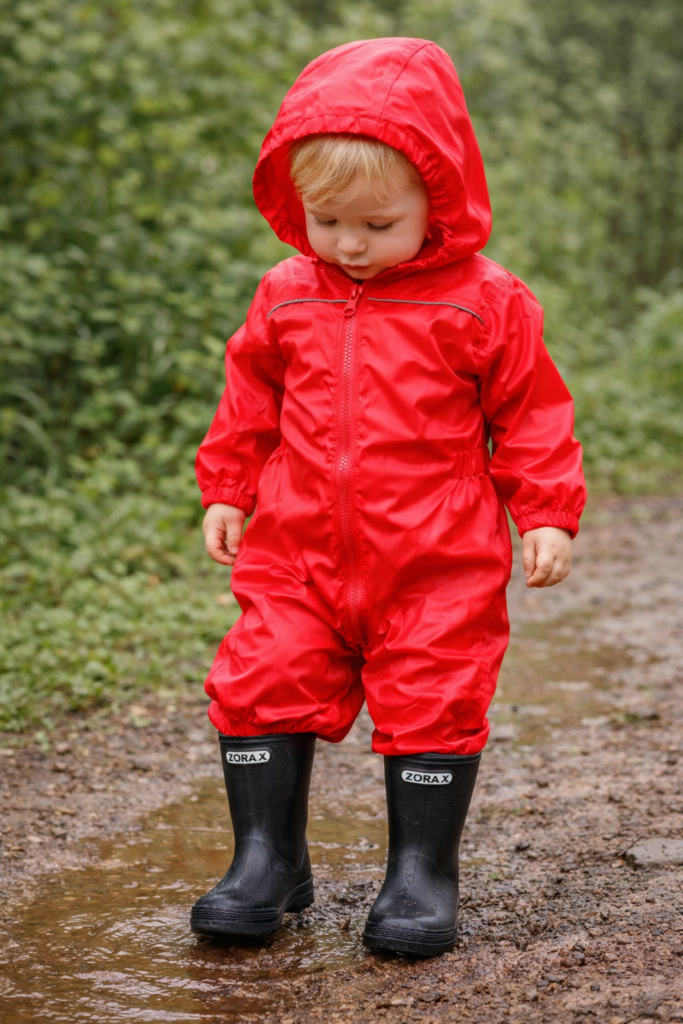
A simple rainproof puddle suit and a good pair of wellies can make all the difference for outdoor play in a British spring. With unpredictable rain, damp grass, and muddy paths, toddlers often end up wet and uncomfortable within minutes — which quickly cuts play short. A lightweight waterproof suit keeps them dry from head to toe, while wellies allow them to step confidently into puddles, mud, and wet ground without hesitation. When children are comfortable and protected from the elements, they stay outside longer — and longer outdoor time naturally supports calmer behaviour, better sleep, and deeper engagement.
→ View a lightweight waterproof puddle suit for comfortable, all-weather play
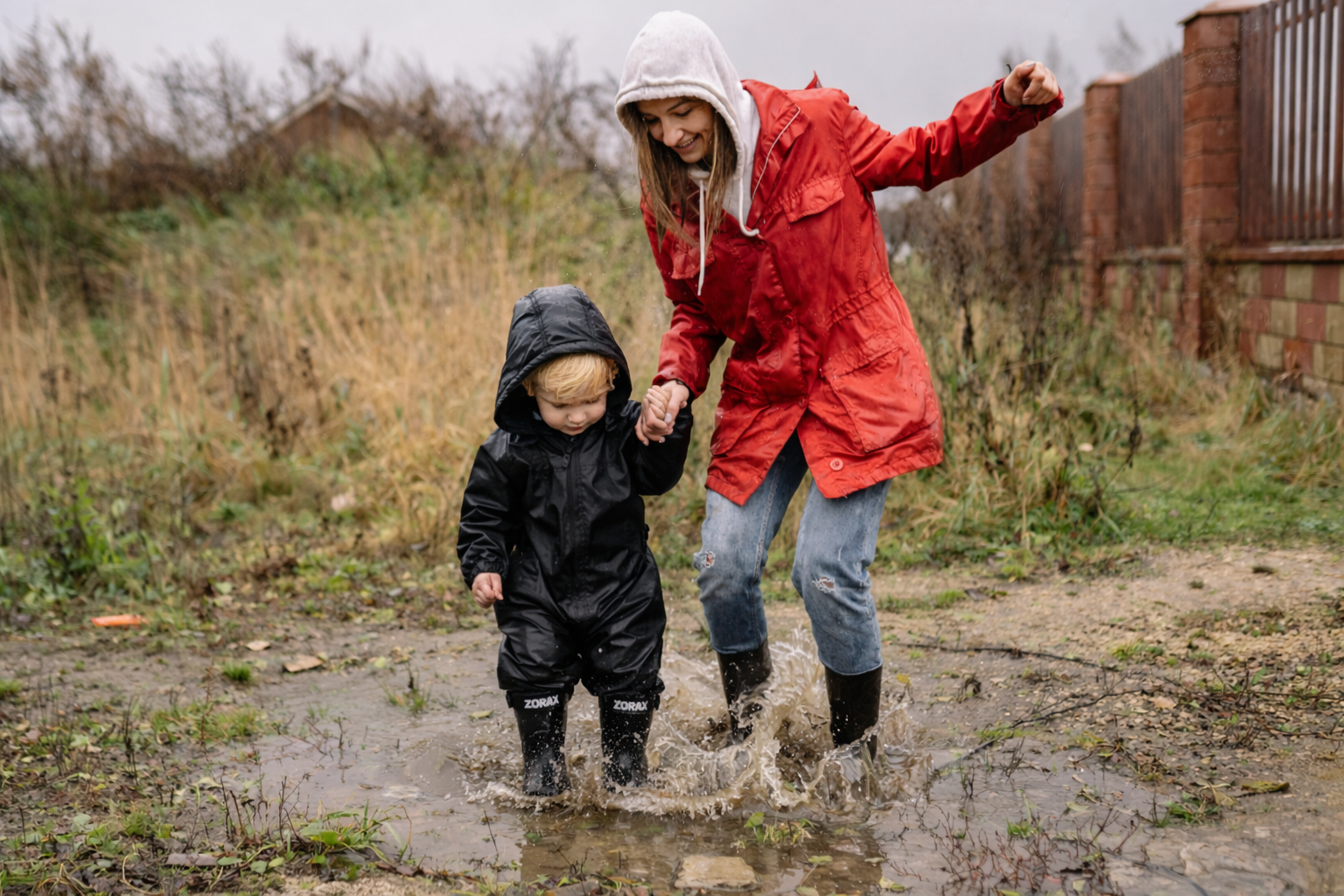
A good pair of wellies gives toddlers the freedom to fully explore wet ground, mud, and puddles without hesitation.
At this stage, children are drawn to sensory experiences like splashing and stepping into water — but discomfort quickly cuts that exploration short. Well-fitted, easy-to-pull-on boots allow them to move confidently and stay comfortable, even in damp conditions.
This works especially well for toddlers who:
– enjoy puddles and messy play
– resist outdoor time when their feet get wet
– are learning to walk confidently on uneven ground
Because they’re easy to put on and take off, they also support independence during getting-ready routines.
→ View toddler-friendly wellies designed for easy movement in mud and puddles
8. Digging in the Garden
Digging is deeply satisfying for toddlers.
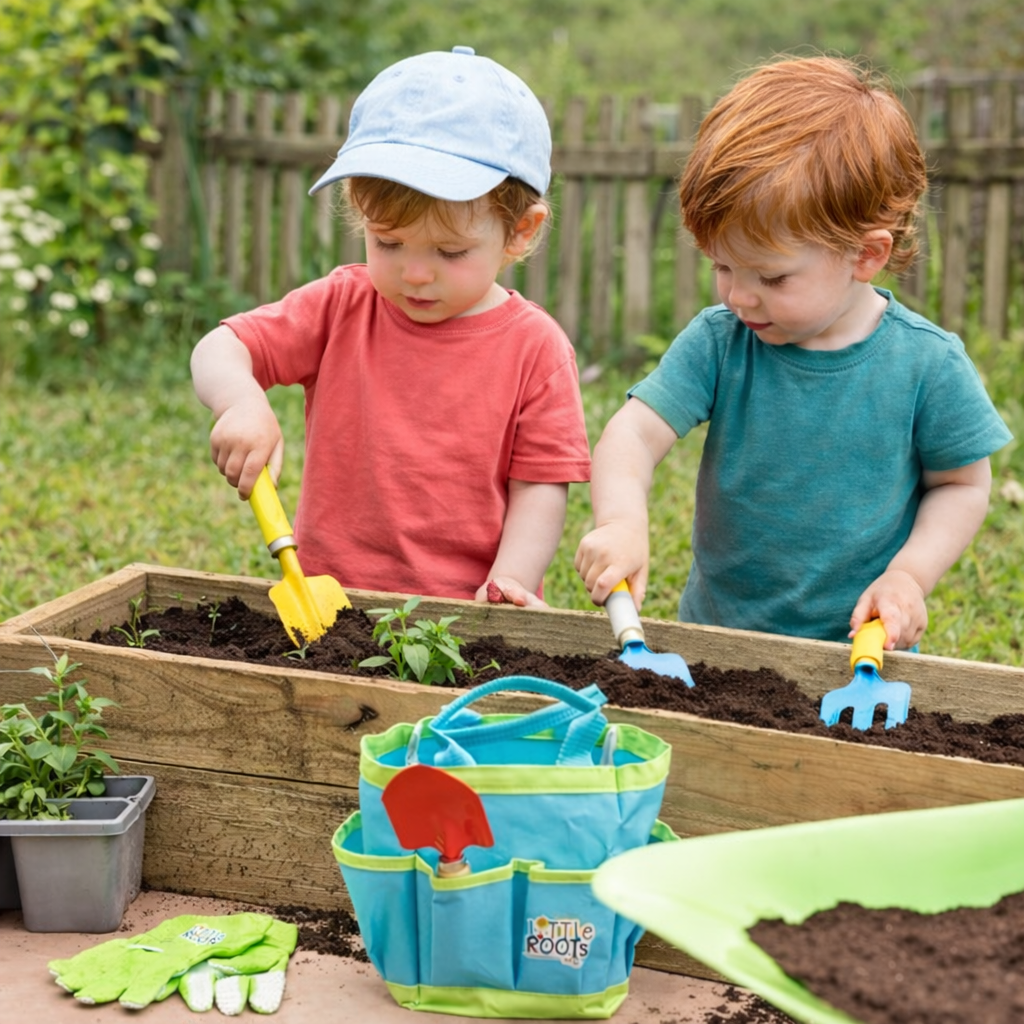
Provide a small shovel or spoon and let your child dig in soil or sand.
This activity strengthens:
- arm muscles
- coordination
- curiosity about the natural world
Toddlers also enjoy filling and emptying containers with soil.
This type of repetitive activity helps develop focus and persistence.
Providing a small gardening tool designed for toddlers can make digging much easier. Child-sized garden tools allow toddlers to practise scooping soil safely while developing coordination and strength through repeated movements. Simple gardening activities for toddlers, like digging soil, planting seeds, or watering plants, help children build patience while learning how plants grow.
If you don’t have access to a garden, it’s also worth checking whether your local council offers free gardening events or community planting days for toddlers and families, which can be a lovely way for young children to explore nature and participate in beginner gardening activities.
→ View simple child-sized gardening tools designed for safe, easy digging
9. Washing Toys Outside
Washing toys outside is a surprisingly engaging activity for toddlers.
Fill a container with water and give your child a sponge or cloth.
Allow them to wash outdoor toys such as:
- toy cars
- plastic animals
- small buckets
Toddlers love water play, and cleaning activities give them a sense of responsibility.
This also mirrors real-life tasks, which Montessori environments emphasise.
10. Barefoot Sensory Walk
Spring is a wonderful time to let toddlers experience different textures under their feet.
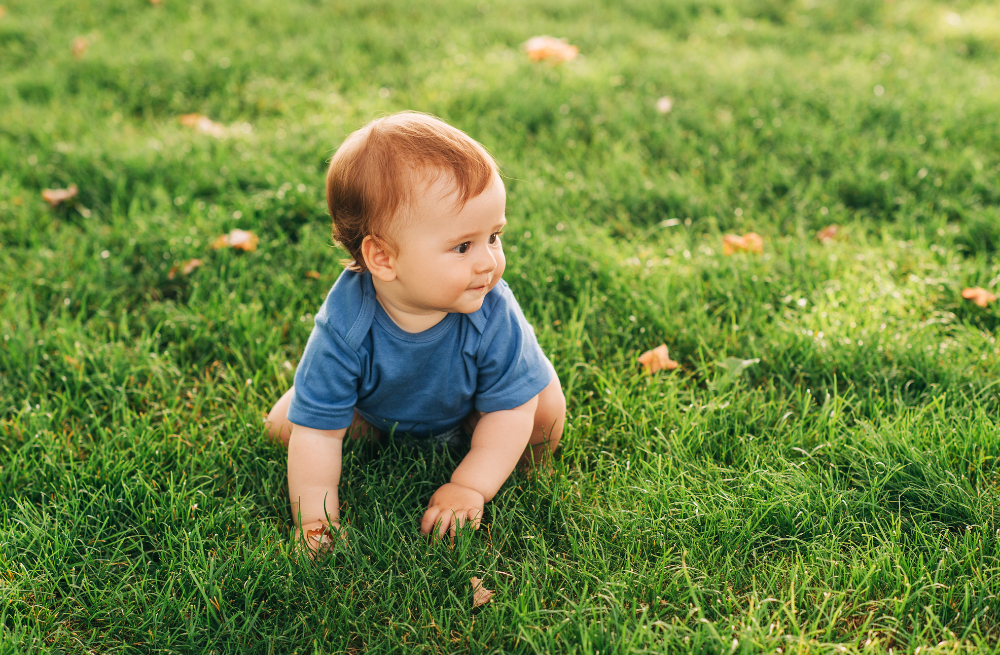
Walking barefoot on safe surfaces such as:
- grass
- sand
- smooth stones
helps children explore new sensory experiences.
These sensations support sensory integration and body awareness.
Many toddlers find barefoot play calming and enjoyable.
Keeping Outdoor Activities Simple
One of the most important things to remember when planning activities for a 2-year-old is that simplicity matters.
At this age toddlers often prefer:
- repetition
- familiar activities
- open-ended play
An activity that lasts five minutes but captures your child’s curiosity is far more valuable than a complicated craft that creates frustration.
Outdoor environments already provide endless opportunities for exploration.
Sometimes the best activity is simply giving toddlers time and space to interact with the world around them.
Parents sometimes notice that toddlers who spend time exploring independently outdoors also develop stronger focus during play. Creating simple environments that encourage this kind of concentration can make a big difference. You can find practical examples in this guide to Montessori tools that support independent toddler play.
The Montessori Approach to Outdoor Play
Montessori philosophy emphasises allowing children to explore their environment independently.
This does not mean creating elaborate setups.
Instead, it means preparing environments where toddlers can safely investigate the world around them.
Outdoor spaces naturally support this idea.
Simple elements such as:
- water
- soil
- natural objects
- open movement
encourage toddlers to learn through direct experience.
These moments of discovery are often where the deepest learning happens.
Tip: Language also plays a role in how toddlers respond during everyday activities. If your child frequently resists instructions, adjusting how we communicate can sometimes help reduce frustration. This guide shares practical examples of what to say instead of saying no to toddlers.
Spring Activities for 2 Year Olds If You Live in a Flat
Not every family has access to a garden, but spring activities for 2 year olds can still happen easily in small spaces.
Toddlers are naturally curious about plants, soil, and insects, so even a balcony, windowsill, or local green space can become an exciting place to explore.
For example, toddlers can help plant simple herbs such as basil, mint, or parsley in small pots. These plants grow quickly and allow children to observe changes day by day. Watering the plants, touching the leaves, and smelling the herbs all provide sensory experiences that support early learning.
If you have a balcony, a few small containers can turn it into a mini garden where toddlers practise watering plants and digging in soil. Even a simple watering can and small pot of flowers can become a meaningful daily activity.
Families who live in flats can also look for outdoor opportunities nearby. Many communities offer free green spaces where toddlers can explore safely.
Places to try include:
• local parks
• community gardens
• nature reserves
• botanical gardens
• council-run gardening events for children
Many local councils organise free gardening sessions or nature activities for young children, especially during spring and summer months. These events allow toddlers to explore soil, plants, and insects in a structured environment without needing a garden at home.
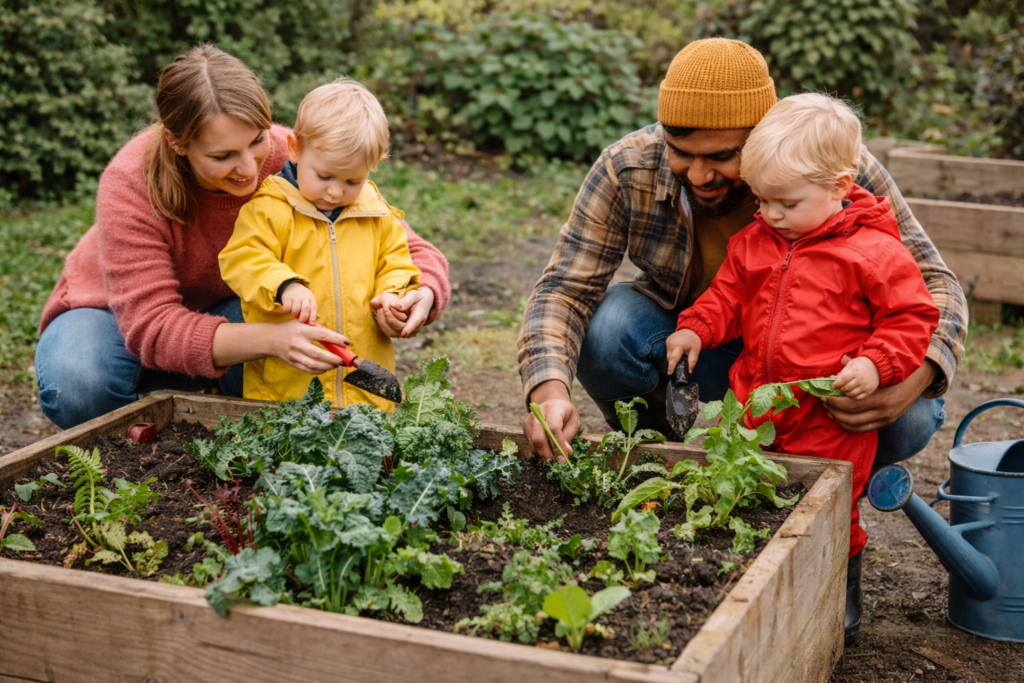
Even short outdoor visits — watching ants, touching leaves, or watering a few plants — can provide the same developmental benefits as larger garden projects.
For toddlers, the most important part of spring activities is not the size of the space, but the chance to explore nature through hands-on experiences.
Spring Nature Walk Ideas for 2 Year Olds
A simple nature walk can easily become one of the most engaging spring activities for 2 year olds. Toddlers experience the world through movement, touch, and curiosity, and spring offers endless opportunities for exploration.
Instead of planning a long walk, focus on slow exploration.
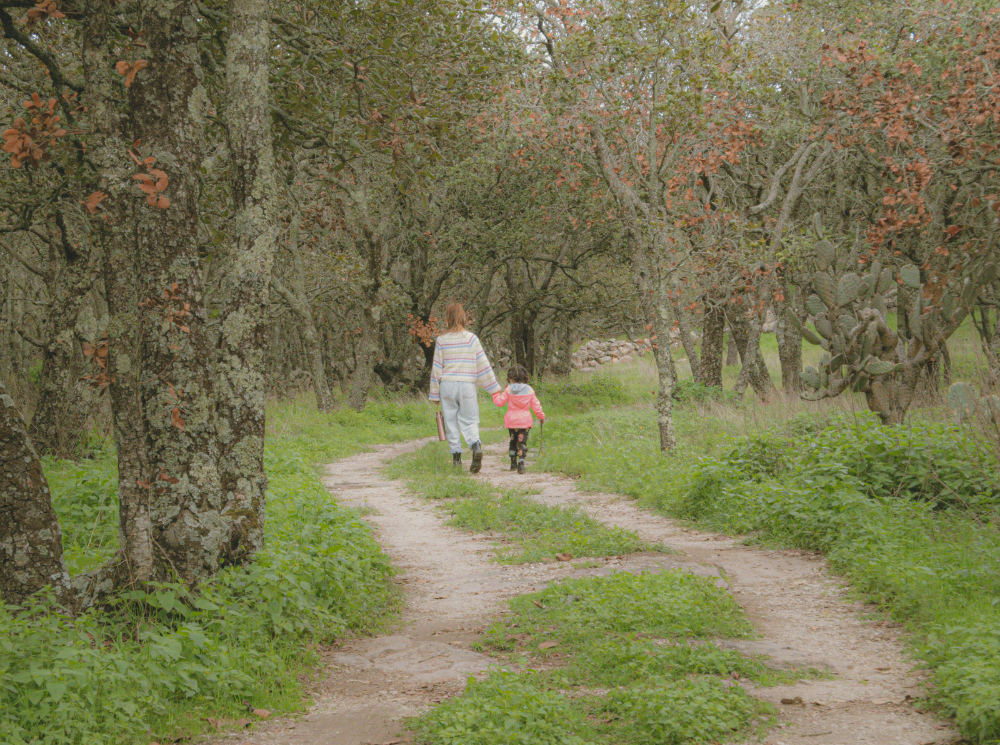
Toddlers love stopping frequently to look closely at small details in nature. Even a short walk through a park, garden path, or quiet green space can turn into a rich learning experience.
You might encourage your toddler to notice things like:
• different shaped leaves
• flowers beginning to bloom
• birds or insects moving through plants
• stones, sticks, or pinecones on the ground
• puddles left after spring rain
These simple observations help toddlers build early scientific thinking skills while strengthening attention and curiosity.
Bringing a toddler-sized magnifying glass can make the experience even more exciting. Many children enjoy crouching down to examine bugs, leaves, or soil more closely. This type of slow, exploratory play supports concentration and encourages toddlers to observe the natural world in detail.
Another idea is creating a small “nature collection.” Toddlers can gather safe items like fallen leaves, smooth stones, or petals to bring home and examine together.
The goal is not to cover distance but to give your toddler time to explore the environment at their own pace.
For young children, these slow spring walks often become some of the most memorable outdoor experiences.
If your toddler enjoys exploring nature, you might also enjoy these Montessori tools that support independent toddler play, which help extend curiosity and focus at home.
The Bigger Picture
Spring offers countless opportunities for toddlers to explore nature in simple and meaningful ways.
For two-year-olds, the goal of outdoor play is not structured learning.
It is curiosity.
It is movement.
It is discovery.
By providing simple opportunities to interact with water, soil, plants, and natural materials, parents can support healthy development while creating joyful everyday moments.
And often, the activities toddlers love most are the ones that require the least preparation at all.