Simple Montessori Activities for Speech Delay and Late Talkers
Once you’ve decided you’d like to encourage communication at home, the next question is often where to begin.
The reassuring news is that supporting speech development doesn’t usually require expensive resources, formal lessons, or constant prompting. Some of the most valuable opportunities for language happen during everyday moments: preparing lunch together, reading a favourite story for the tenth time, watering plants, or chatting while getting dressed.
Montessori takes a similarly gentle approach. Rather than trying to make children speak, it focuses on creating an environment rich in conversation, movement, repetition, and meaningful interaction, allowing communication to develop through real life rather than pressure.
The activities below are simple, low-pressure ways to encourage listening, imitation, shared attention, and language throughout the day. They work particularly well for late talkers and toddlers with speech delays, but they’re equally valuable for supporting communication in any young child.
If you’re looking for guidance on when slower speech development may warrant further advice, you might find our article → Montessori and Speech Delay: Following the Child Without Ignoring Concerns helpful before exploring the activities below.

Disclaimer: This post contains affiliate links. As an Amazon Associate I earn from qualifying purchases at no extra cost to you.
1. Narrate, Narrate, Narrate
One of the simplest ways to support speech development is by talking naturally throughout the day.
Montessori approaches often encourage slowing down and involving children in real daily life — which naturally creates more opportunities for language.
You don’t need to constantly question, correct, or test your child. Simply describing what’s happening around them can be incredibly valuable.
This might sound like:
– “You’re carrying the… basket.”
– “Now we’re opening the… door.”
– “You found your… shoes.”
– “The water is… pouring.”
Pausing slightly before the important word can help children process and anticipate language more easily, especially when words are repeated consistently over time.
These small moments of repetition help children connect words to real actions, objects, and experiences naturally throughout the day.
| Words your child may hear often: open • close • shoes • water • cup • basket • wash • pour • up • down |
And importantly, it keeps communication feeling calm and connected rather than pressured.
Once children begin engaging more confidently with familiar words and sounds, simple object naming activities can become another gentle way to encourage communication through play.
2. Object Naming & Small World Play
One of the simplest ways to encourage language naturally is through real objects and small-world play.
Instead of relying heavily on screens or flashing toys, Montessori-style language activities often focus on naming familiar objects, animals, actions, and sounds during play.
Farm animals work especially well because they naturally encourage naming, sound imitation, simple storytelling, turn-taking, and following instructions during play.
A simple wooden farm set can make this easier because children can physically hold, move, and interact with the objects while hearing the language connected to them.
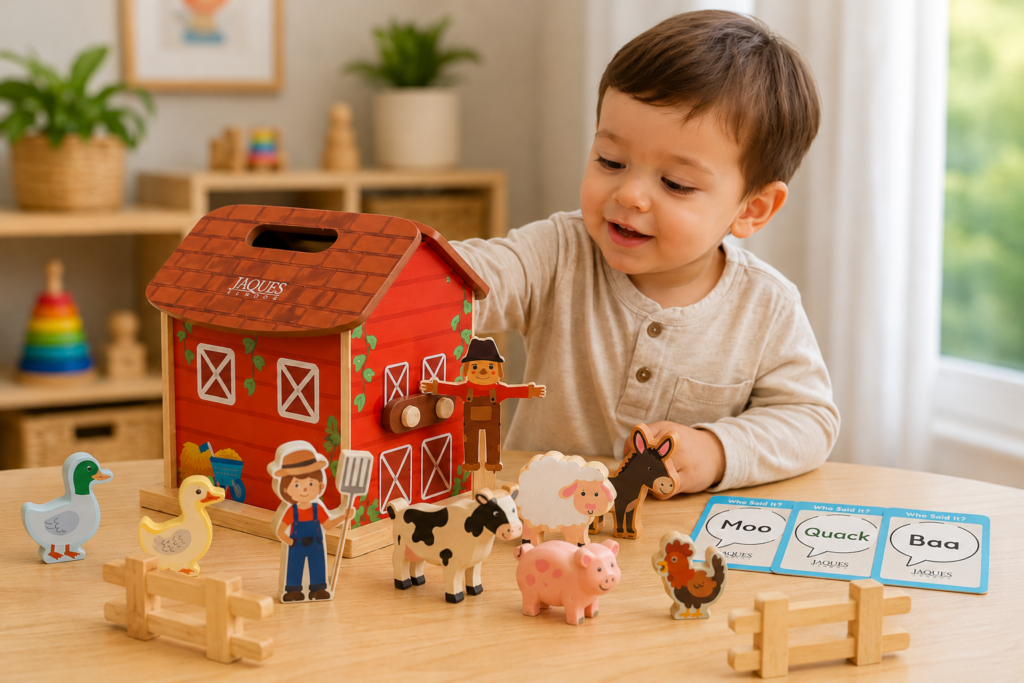
| Words children often learn during this kind of play: cow • sheep • horse • pig • duck • big • little • eating • sleeping • moo • baa |
You don’t need to “quiz” your child during play. Simply naming objects naturally, repeating words slowly, and following their interest is often enough.
If you’re looking for more open-ended toy ideas that encourage conversation, imagination and shared play, you might also enjoy our guide to Educational Games for Toddlers That Parents Actually Enjoy Too.
DIY alternative:
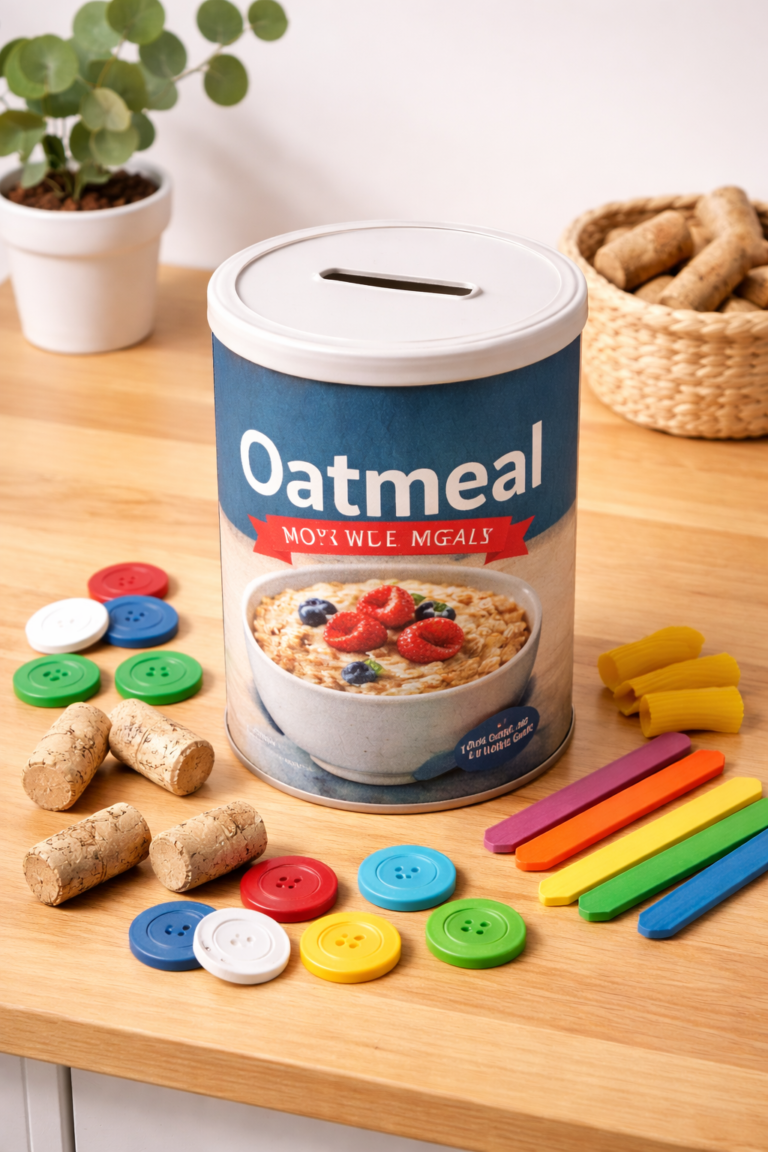
You can also create simple language baskets using objects you already have at home — toy animals, household objects, wooden fruits, or everyday items grouped into categories.
Once children begin engaging more confidently with naming and imitation, books can become another very natural way to support communication.
3. Interactive Books & Shared Reading
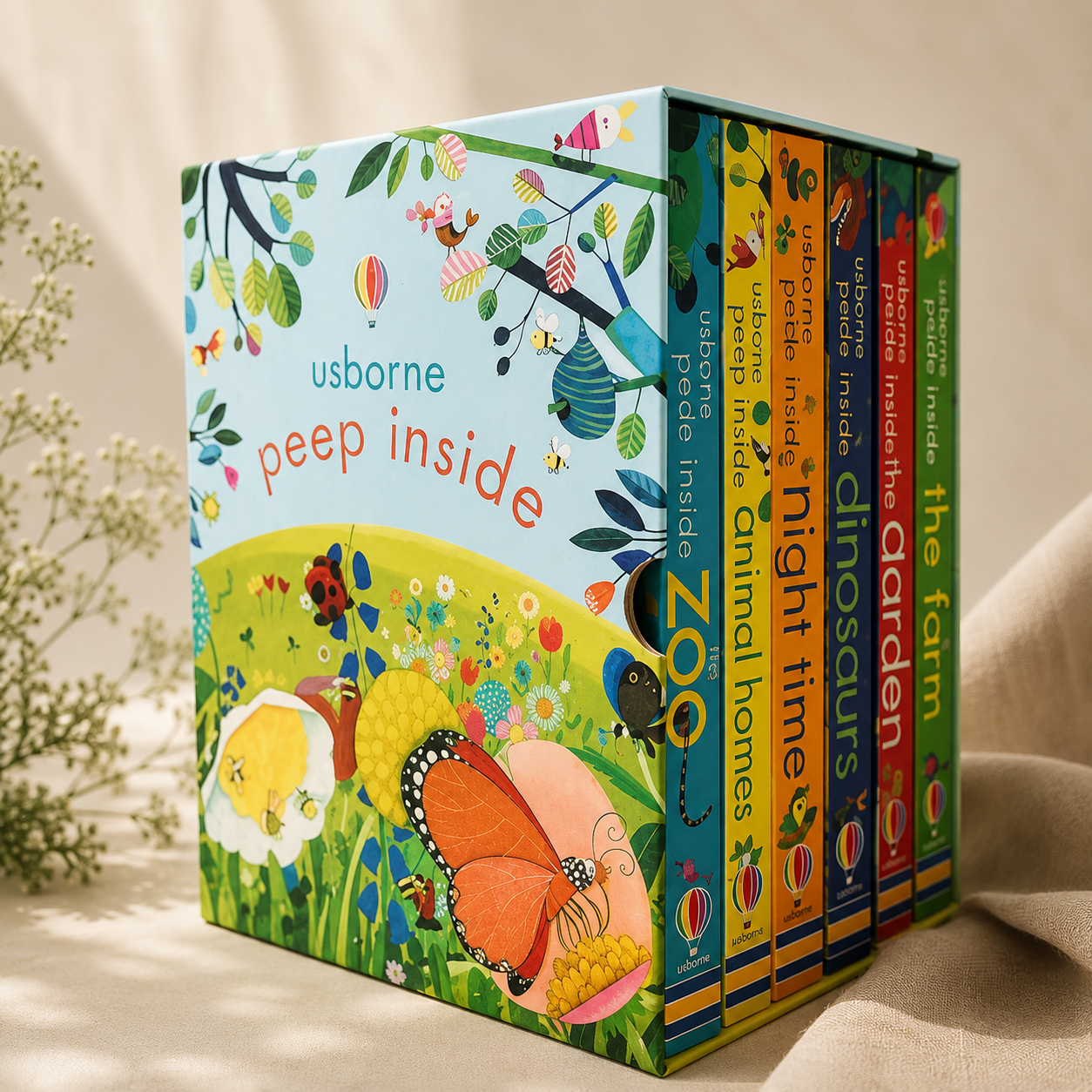
Books can be especially helpful for speech development when they encourage participation rather than passive listening.
Lift-the-flap books, touch-and-feel books, and simple repetitive stories naturally create opportunities for:
– pointing
– naming
– imitation
– anticipation
– shared attention
At this stage, repetition is often more valuable than variety. Many toddlers benefit from hearing the same books repeatedly because it helps language become more predictable and familiar.
One thing that surprised us was how often the same book became more valuable over time. The first few readings sometimes felt as though very little was happening, but after hearing the same story repeatedly, our daughter began anticipating favourite pages, pointing to familiar objects and engaging more actively with the book. What looked like repetition from an adult perspective was often exactly what helped language feel predictable and accessible.
| Language you might naturally use: open • look • where • hiding • bee • butterfly • lion • cow • tractor • flower what’s inside? • what’s in there? • where is it? • found you! • there it is! |
We also found that bedtime reading often became one of the most valuable parts of the day for language development. When our daughter was relaxed, comfortable and free from distractions, she seemed far more engaged with stories than at other times.
One collection we returned to repeatedly was a set of classic children’s stories including The Three Billy Goats Gruff, The Ugly Duckling and The Velveteen Rabbit. Because the stories were read so often, she gradually began anticipating familiar words and phrases, sometimes appearing to know exactly what was coming next.
One moment that particularly stayed with us happened during The Three Billy Goats Gruff. Although she was not yet speaking much at the time, she suddenly completed the phrase “green grass” before I had finished the sentence. It was a powerful reminder that children often understand far more language than they are able to express, and that repeated reading can create valuable opportunities for listening, anticipation and communication.
Famous Children Picture Storybooks Collection
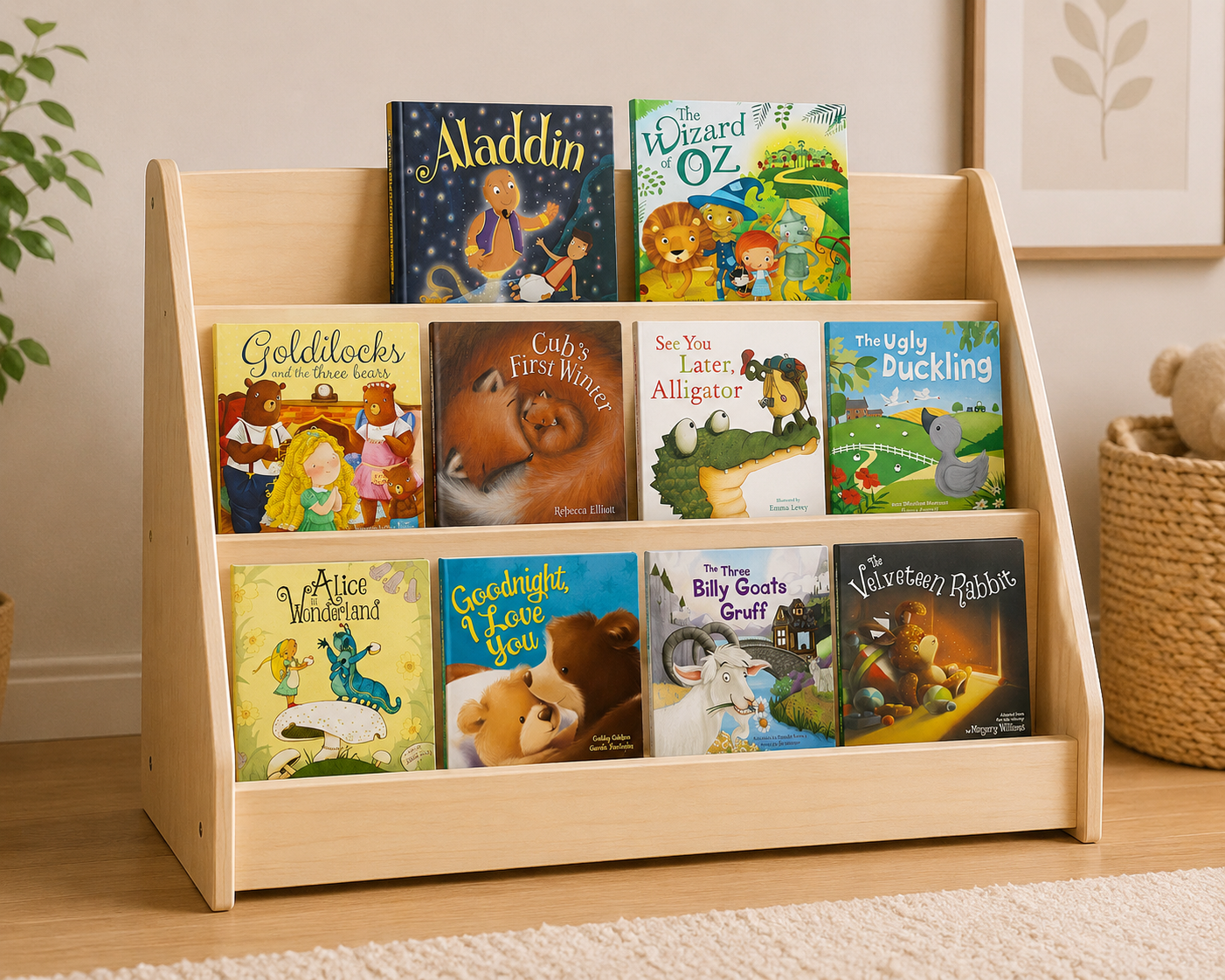
Books about familiar topics like animals, transport, farms, food, or everyday routines are often the most engaging for late talkers because they connect language to real-life experiences.
| Books naturally introduce words like: bear • rabbit • tree • bridge • grass • moon • duck • happy • sleeping • jump • good night • friends • small • big • colours |
DIY alternative:
You can also create simple homemade photo books using pictures of family members, pets, favourite foods, toys, or familiar places. Real-life images are often especially meaningful for younger toddlers.
4. Simple Matching & Conversation Games
Simple matching games can help support communication in a very natural way because they encourage interaction, repetition, turn-taking, and shared focus.
The goal isn’t performance or getting answers “right.” It’s creating opportunities for language during play.
Animal-themed games work especially well because they naturally encourage:
– naming animals
– copying sounds
– simple conversation
– following directions
– describing colours or actions
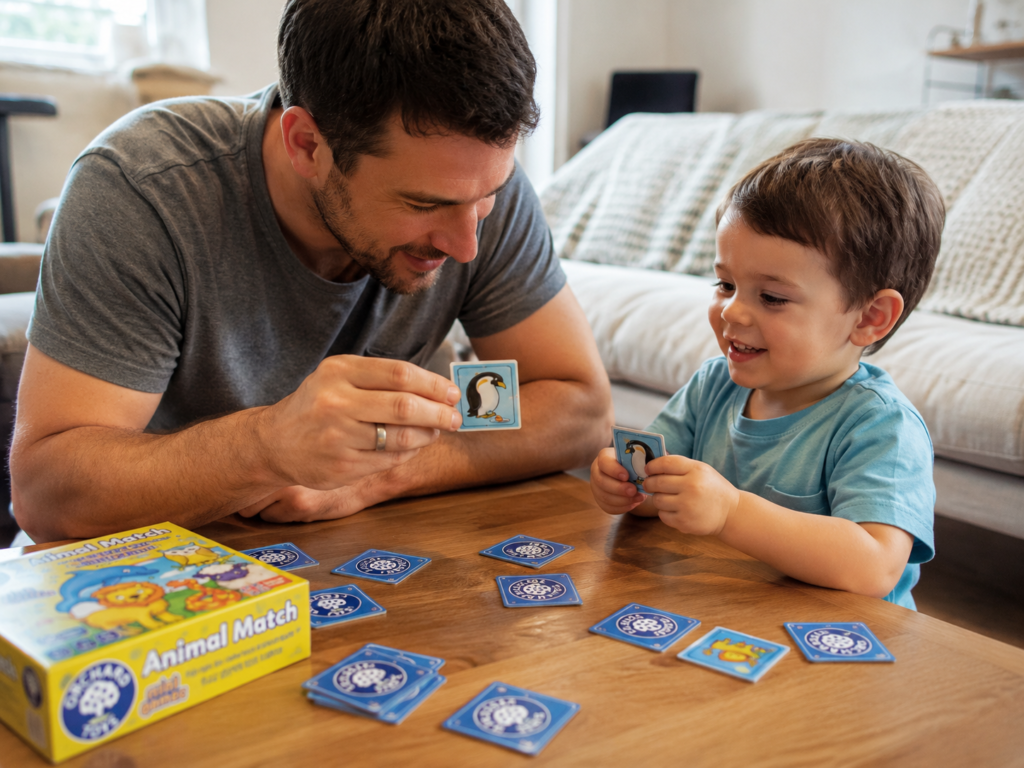
Short, low-pressure games are usually more effective than long structured activities — especially for children who become overwhelmed easily.
| Words that often come up during matching games: same • different • match • find • where • colour names • animal names • on • under • next to |
DIY alternative:
You can create simple matching activities yourself using printed animal pictures, household objects, or pairs of familiar items from around the house.
5. Practical Life Activities That Support Language

Many Montessori activities that support communication aren’t “speech activities” at all.
In fact, everyday life often provides the richest language opportunities.
Things like:
– preparing snacks
– watering plants
– tidying toys
– folding laundry
– baking together
– unpacking shopping
all create natural opportunities for conversation, repetition, sequencing, and shared attention.
| Everyday routines naturally introduce words like: stir • pour • wash • wipe • hungry • bowl • spoon • clean • full • empty • first • next • food names |
Children often learn language more easily when words are connected to real actions and meaningful experiences rather than isolated drills or flashcards.
This is one reason Montessori environments place so much emphasis on practical life activities and slower daily rhythms.
If you’d like more ideas, this may also help → Montessori Practical Life for Babies & Toddlers: Simple Daily Routines
6. Slow Down the Environment
Children who are struggling with communication can sometimes benefit from less overall stimulation rather than more.
That doesn’t mean avoiding play or interaction. It simply means creating calmer spaces where children can focus more easily on faces, language, movement, and interaction without constant background noise competing for attention.
In practice, this may look like:
– rotating toys instead of offering everything at once
– reducing background TV noise
– choosing simpler toys with fewer lights and sounds
– allowing more uninterrupted play
– spending more time face-to-face during activities
Very often, calmer environments create more opportunities for real communication to happen naturally.
If you’re looking for calmer toy options, this may also help → Best Montessori Toys for 2 Year Olds
What Matters Most
Speech development usually happens through thousands of small interactions over time.
Connection, repetition, shared attention, movement, and responsive conversation often matter far more than constantly correcting or testing children.
The goal isn’t to force speech.
It’s to create more opportunities for communication to happen naturally.
Final Thoughts
Montessori-inspired speech activities don’t need to be complicated, overstimulating, or expensive.
Very often, the most meaningful progress happens through simple things repeated consistently over time: books, conversation, practical life, movement, songs, and shared play alongside another person.
The goal isn’t perfection or constant teaching.
It’s creating an environment where communication feels calm, natural, and safe.
FAQs
What are the best Montessori activities for speech delay?
The best Montessori activities for speech delay are usually simple, repetitive, and interaction-based rather than overstimulating or highly structured.
Activities like object naming, matching games, reading together, practical life activities, songs, and small-world play often support communication naturally by encouraging connection, repetition, and shared attention.
Do Montessori activities help late talkers?
Montessori-inspired activities can help late talkers by creating calmer, lower-pressure opportunities for communication throughout the day.
Rather than focusing on constant correction or performance, Montessori approaches usually encourage language through movement, real conversation, books, practical life, and everyday interaction.
Are flashcards good for speech delay?
Flashcards can support speech development when they’re used casually and interactively rather than as drills or tests.
Simple animal, object, or action flashcards often work best when paired with conversation, storytelling, matching games, or real-life objects.
What toys help toddlers with speech delay?
Toys that encourage interaction, turn-taking, naming, imitation, and imaginative play are often the most helpful for toddlers with speech delay.
Simple wooden toys, animal figures, matching games, object baskets, and interactive books usually create more opportunities for communication than noisy electronic toys.
How can I encourage speech naturally at home?
Many children develop language best through everyday interaction rather than formal teaching.
Talking through routines, reading regularly, singing familiar songs, slowing down conversations, and involving children in practical activities around the house can all support speech development naturally over time.
Are overstimulating toys bad for speech development?
Overstimulating toys are not necessarily harmful, but some children communicate more easily in calmer environments with fewer competing sounds, lights, and distractions.
Many Montessori-inspired spaces focus on simpler toys and slower play because they often encourage longer attention spans, more interaction, and more opportunities for real conversation.
What activities help late talkers communicate more?
Activities that encourage shared attention and interaction are often the most helpful for late talkers.
Simple things like matching games, farm animal play, repetitive books, songs with actions, practical life activities, and face-to-face play can all help support communication in a natural, low-pressure way.
You Might Also Find Helpful