Why Is My 18 Month Old So Clingy – Full Guide
If your 18 month old suddenly won’t leave your side, cries when you walk away, or refuses anyone else — you’re not alone.
Many parents search: why is my 18 month old so clingy?
And the short answer is this:
Clinginess at 18 months is developmentally normal.
But that doesn’t mean it’s easy.
Let’s break down why it happens — and what actually helps.
If you’re repeatedly searching “why is my 18 month old so clingy,” the answer almost always lies in development — not behaviour problems.

1. Separation Anxiety Peaks Around 18 Months
At this age, your toddler:
- Understands you exist even when you leave
- Doesn’t yet trust that you’ll always come back
- Is forming deeper attachment patterns
This creates anxiety.
You walking into another room can feel like abandonment — even though it isn’t.
This phase is a sign of strong attachment, not weakness.
2. Big Brain Growth = Big Feelings
Around 18 months, toddlers experience:
- Language development
- Emotional awareness
- Increased independence urges
They want autonomy.
But they still need security.
That tension creates clinginess.
They’re thinking:
“I want to explore… but I need you close.”
3. Developmental Leaps
Clinginess often spikes during:
- Sleep regressions
- Teething
- Illness
- Growth spurts
- Major skill leaps
When their internal world feels unstable, they anchor to you.
What Actually Helps (Without Pushing Them Away)
Now let’s talk practical support.
1. Predictable Goodbyes
Instead of sneaking away, create a short routine:
- Eye contact
- “Mummy always comes back.”
- A wave at the door
Repetition builds safety.
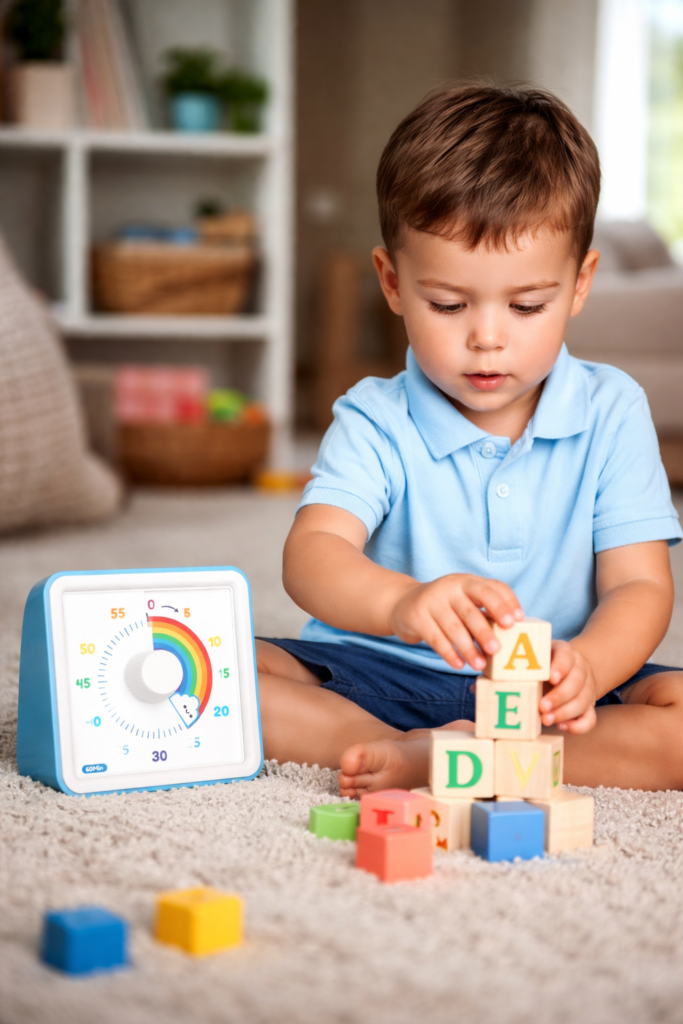
You can even use a visual timer for short separations so they can see when you’ll return. Many parents find that a simple red countdown timer reduces panic during short room transitions.
Disclaimer: As an Amazon Associate I earn from qualifying purchases.
👉 See a simple visual countdown timer here
2. Create a “Yes Space”
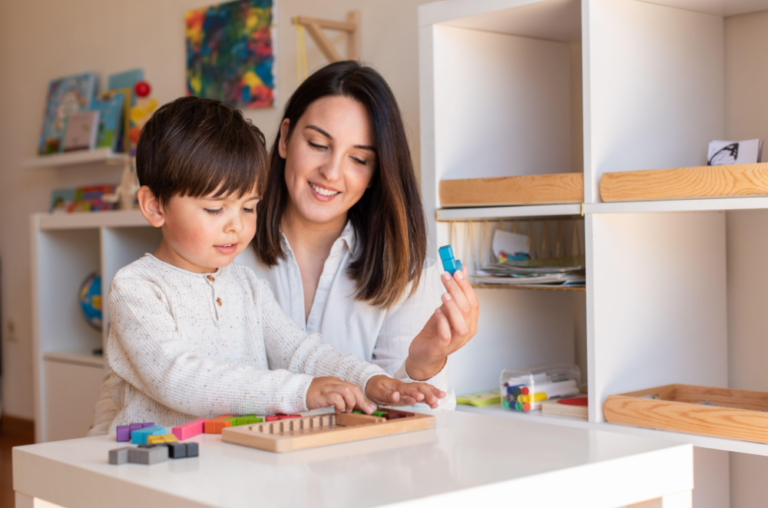
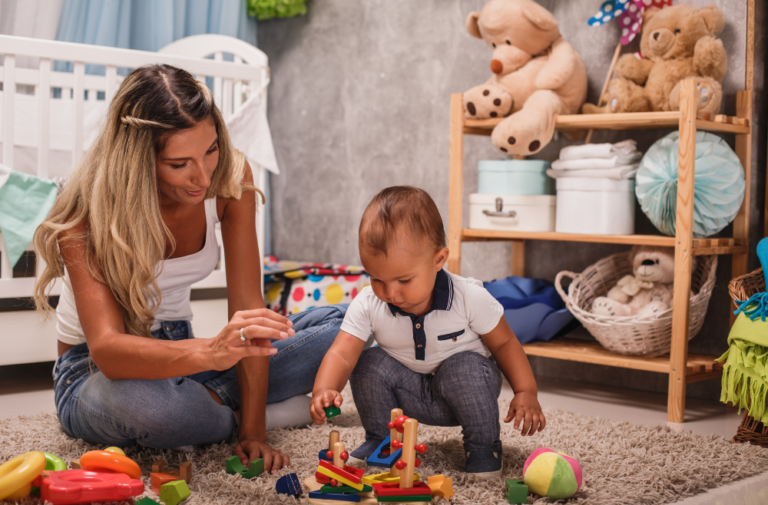
A prepared toddler-safe area allows independence without fear.
Low shelves.
Few toys.
Clear layout.
When the environment feels safe, they feel braver.
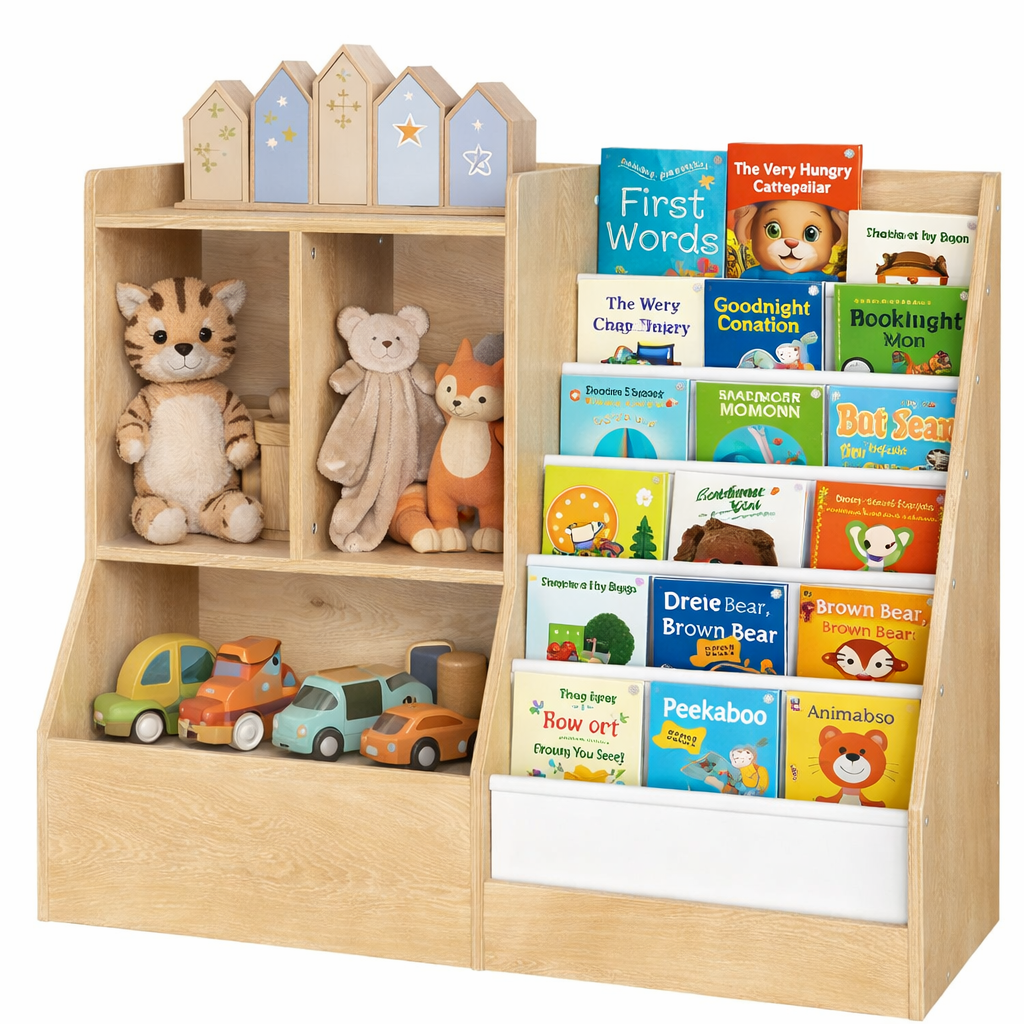
A small child-sized toy storage with bookshelf or floor mattress setup can help toddlers move confidently without constantly checking for you.
👉 See a toddler-height open shelf here
3. Increase Connection Before Separation
Clingy toddlers often need:
- 10–15 minutes of focused play
- Physical closeness
- Eye contact
Connection first.
Separation second.
Think of it as filling their attachment cup.
4. Transitional Objects
Some 18 month olds benefit from:
- A small comfort toy
- A parent’s scarf
- A familiar blanket
Not as a crutch — but as a bridge.
Look for simple, soft comfort objects rather than overstimulating toys.
5. Support Emotional Language
At 18 months, many toddlers cannot say:
“I feel worried.”
But they can begin to understand:
“You miss mummy.”
“I’ll be back.”
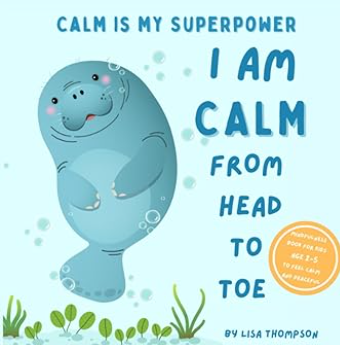
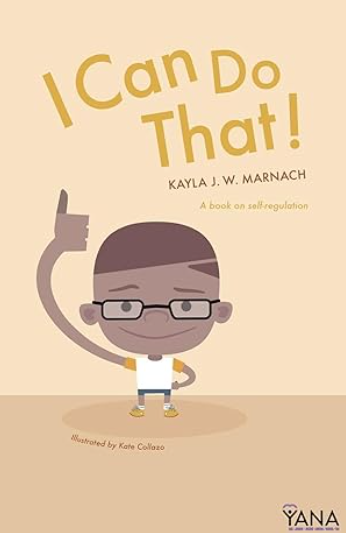
Board books about separation and feelings can help toddlers process this stage in calmer moments.
When Is Clinginess Not Normal?
Clinginess is usually normal.
But consider speaking to a health visitor or GP if your toddler:
- Shows extreme distress for long periods
- Has lost previously gained skills
- Shows no interest in exploring at all
- Appears constantly fearful
Most clinginess at 18 months is healthy attachment development.
What NOT To Do
Avoid:
- Sneaking away repeatedly
- Dismissing feelings (“You’re fine”)
- Forcing independence
- Withdrawing affection
Independence grows from safety.
Not from pressure.
The Bigger Picture
If you’re asking, “why is my 18 month old so clingy?” it likely means:
You’re tired.
You’re touched out.
You need space.
That’s valid.
This stage feels intense.
But it is temporary.
The same toddler who clings today will run ahead confidently in a year — because they trusted you enough to stay close first.
Gentle Tools That Can Help
Parents often find these simple tools helpful during this phase:
• A visual timer to make short separations predictable
• Low, open toy shelving to reduce overwhelm
• A soft comfort object for transitions
• A warm-toned night light for bedtime reassurance
• Simple board books about feelings and separation
👉 You can see examples of the tools mentioned here.
These are not solutions.
They are supports.
And sometimes small supports make big phases feel manageable.
Final Thoughts
Clinginess at 18 months is not a sign you’ve created dependence.
It’s a sign your toddler feels securely attached.
They are learning:
You leave.
You return.
They are safe.
And one day soon, they’ll run into the next room without looking back.
Disclaimer: As an Amazon Associate I earn from qualifying purchases.