Why Is My 18 Month Old So Clingy – Full Guide
If your 18 month old suddenly won’t leave your side, cries when you walk away, or refuses anyone else — you’re not alone.
Many parents search: why is my 18 month old so clingy?
And the short answer is this:
Clinginess at 18 months is developmentally normal.
But that doesn’t mean it’s easy.
Let’s break down why it happens — and what actually helps.
If you’re repeatedly searching “why is my 18 month old so clingy,” the answer almost always lies in development — not behaviour problems.

Disclaimer: As an Amazon Associate I earn from qualifying purchases.
1. Separation Starts Feeling More Real
Around 18 months, toddlers begin understanding that you still exist even when you leave the room — but they do not yet fully trust that separation is temporary.
That combination often creates intense clinginess.
A parent walking into another room can suddenly feel emotionally significant in a way it did not a few months earlier, even when nothing has actually changed.
And importantly, this phase is usually a sign of strong attachment, not unhealthy dependence.
2. Big Brain Growth = Big Feelings
This stage also overlaps with enormous developmental change.
Language expands quickly, emotional awareness deepens, and toddlers begin wanting much more independence while still needing a strong sense of safety nearby.
That tension often sounds like:
“I want to explore… but I also need you close.”
And because toddlers cannot yet regulate those conflicting feelings well independently, clinginess often increases temporarily.
3. Clinginess Often Spikes During Developmental Shifts
Many parents notice separation anxiety becoming much stronger during:
- sleep regressions
- teething
- illness
- growth spurts
- major developmental leaps
When a toddler’s internal world feels less predictable, attachment behaviours often become stronger too.
What Actually Helps (Without Pushing Them Away)
At this stage, most toddlers do not need less attachment.
They need separation to feel safer, more predictable and easier to process emotionally.
And often, small changes in rhythm and environment help far more than forcing independence too quickly.
1. Predictable Goodbyes
Sneaking away usually increases anxiety once toddlers begin understanding separation more clearly.
Short, calm and repetitive goodbye routines tend to work much better over time. Eye contact, a simple phrase like “Mummy always comes back,” and a small wave at the door can help separation start feeling more predictable rather than sudden.
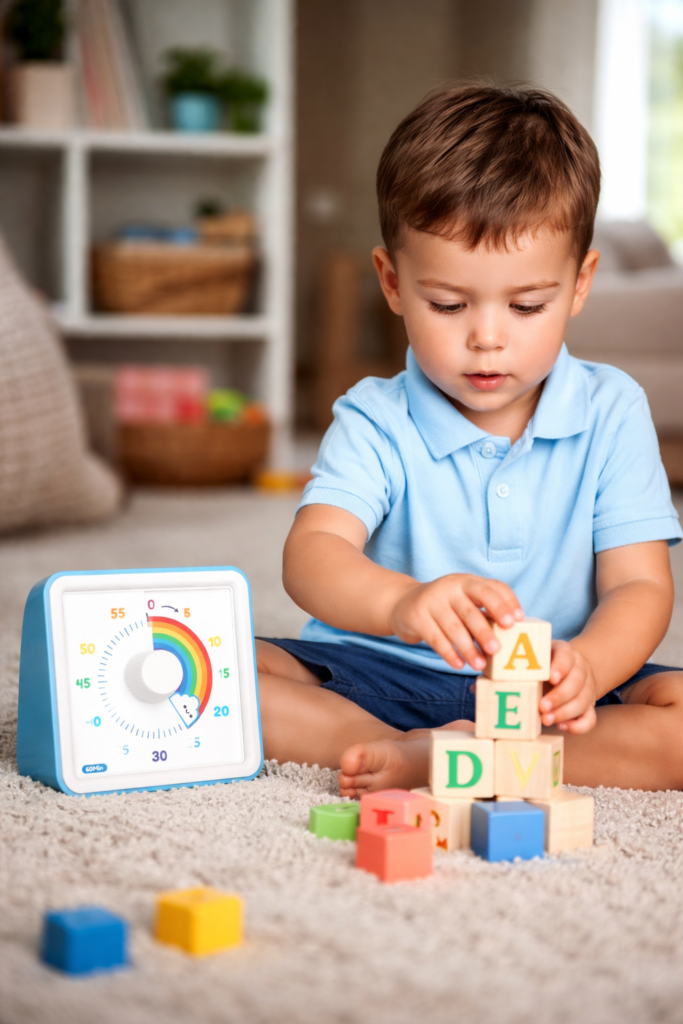
Some parents also find visual timers surprisingly helpful during short separations because toddlers can begin seeing when a parent will return rather than relying only on reassurance.
A simple red countdown timer like this can help make short room transitions feel more concrete and manageable.
2. Create a “Yes Space”
Toddlers often explore more confidently when the environment itself feels safe and manageable.
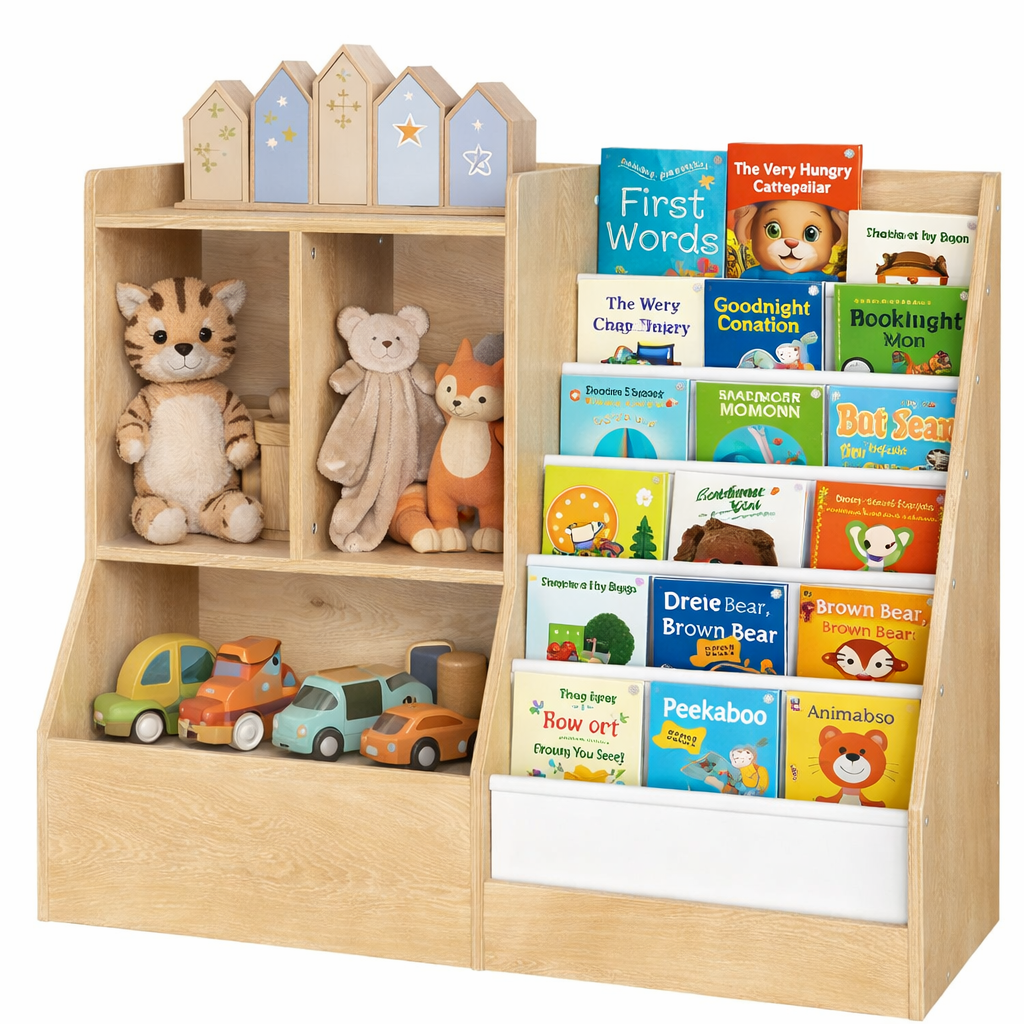
A low shelf, a small number of toys and a simple uncluttered layout usually supports independence much more effectively than highly stimulating play areas filled with choices.
When toddlers can move through the space without constantly hearing “no,” they often check back less anxiously.
A small child-sized toy shelf or floor-level setup can help create that sense of safe independence without overwhelming the room.
3. Increase Connection Before Separation
Clinginess often becomes stronger when toddlers feel emotionally disconnected before separation happens.
Even 10–15 minutes of focused attention, physical closeness and uninterrupted play beforehand can help many toddlers separate more calmly afterwards.
Connection first usually makes independence feel safer.
4. Transitional Objects
Some 18 month olds benefit from:
- A small comfort toy
- A parent’s scarf
- A familiar blanket
Not as a crutch — but as a bridge.
Look for simple, soft comfort objects rather than overstimulating toys.
5. Support Emotional Language
Most 18 month olds cannot fully explain what they are feeling yet.
But they can begin understanding simple emotional language like:
“You miss mummy.”
“You wanted me close.”
“I’ll be back soon.”
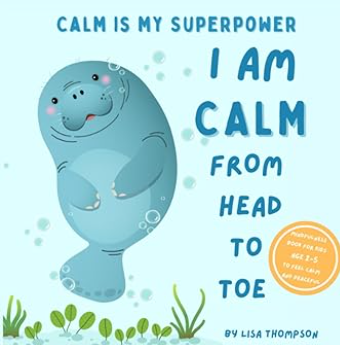
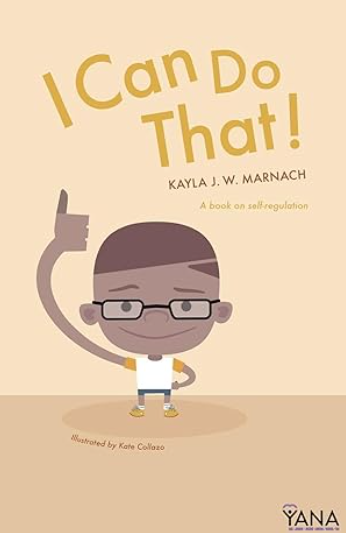
Board books about feelings, separation and daily routines can also help toddlers process these experiences during calmer moments of the day.
When Is Clinginess Not Normal?
Most clinginess around 18 months is completely normal and closely linked to healthy attachment development.
But it can be worth speaking with a GP or health visitor if your toddler:
- seems distressed for unusually long periods
- loses previously developed skills
- shows very little interest in exploring independently at all
- appears persistently fearful or withdrawn
In most cases though, increased clinginess during this stage is not a sign that something is wrong.
It is usually a sign that your toddler is moving through a major developmental shift while still relying heavily on connection and reassurance from you.
What Usually Makes Clinginess Worse
Some responses tend to increase anxiety rather than reduce it over time.
Repeatedly sneaking away, dismissing feelings or pushing independence too quickly can make separation feel even less predictable for toddlers who are already struggling with uncertainty.
At this age, independence usually grows best from emotional safety rather than pressure.
The more secure toddlers feel in the connection, the more confidently they eventually begin moving away from it.
The Bigger Picture
If you’re constantly wondering why your 18 month old suddenly feels so clingy, there is usually a good chance you are exhausted too.
This stage can feel intense.
Physically close.
Emotionally relentless at times.
And needing space does not make you a bad parent.
But in most cases, this phase is temporary.
The same toddler who wants to be held constantly today will often move much more confidently into independence later — partly because they first experienced safety, reassurance and connection when they needed it most.
Gentle Tools That Can Help
During this stage, small environmental supports often help more than complicated strategies.
Things like a visual timer, low open toy shelving, a soft comfort object or a warm-toned night light can help transitions feel more predictable and less emotionally overwhelming for toddlers who are beginning to separate more independently from parents.
Simple books about feelings, separation and daily routines can also help toddlers process change in a way that feels familiar and reassuring.
You can see examples of the tools mentioned here:
→ Best Montessori Tools for Independent Play
Final Thoughts
Clinginess at 18 months is not a sign you’ve created dependence.
It’s a sign your toddler feels securely attached.
They are learning:
You leave.
You return.
They are safe.
And one day soon, they’ll run into the next room without looking back.
You Might Also Find Helpful