Quiet Time Ideas for Toddlers Who Have Dropped Their Nap
There comes a point when many toddlers stop napping—but they’re not quite ready to give up the midday rest.
One day they refuse their nap completely. A few hours later they’re rubbing their eyes, bursting into tears because their banana broke in half and somehow still insisting they’re “not tired.”
If that sounds familiar, you’re far from alone.
Many toddlers no longer need to sleep during the day, but they still benefit from slowing down. A calm period of books, quiet play or simply lying on a blanket can help them recharge before the afternoon, while giving parents a much-needed pause too.
The good news is that quiet time doesn’t need to be complicated.
Over time, we’ve found that the simplest activities usually work best.
Disclaimer: This post contains affiliate links. As an Amazon Associate I earn from qualifying purchases at no extra cost to you.
Why Quiet Time Still Matters
Quiet time isn’t about convincing your toddler to nap.
It’s about giving their body and mind a chance to slow down.
Toddlers spend most of the day learning, moving, talking and processing huge amounts of new information. Even if they no longer fall asleep, having a predictable period of calm each day often helps them feel more regulated for the rest of the afternoon.
We’ve also noticed something else.
The quieter the environment, the easier it is for toddlers to create their own play.
Instead of constantly jumping from one noisy toy to the next, they begin to focus for longer, invent their own games and gradually build independent play skills.
What Makes a Good Quiet Time Activity?
For quiet time, we generally look for activities that are:
- calming rather than exciting
- simple enough to use independently
- open-ended enough to return to again and again
We intentionally avoid anything with flashing lights, loud music or dozens of buttons competing for attention.
Quiet time isn’t about entertaining toddlers.
It’s about creating enough space for them to slow down in their own way.
If independent play is something you’re still building, our guide to Independent Play for Toddlers is a good place to start.
1. A Small Basket of Favourite Books
The activity we come back to every day.
Books have always been the easiest way to transition into quiet time.
Rather than filling an entire bookshelf, we prefer leaving out just three or four familiar favourites and rotating them every week or two.
Children often enjoy reading the same stories repeatedly, and that familiarity can become surprisingly calming.
Our favourite quiet time books
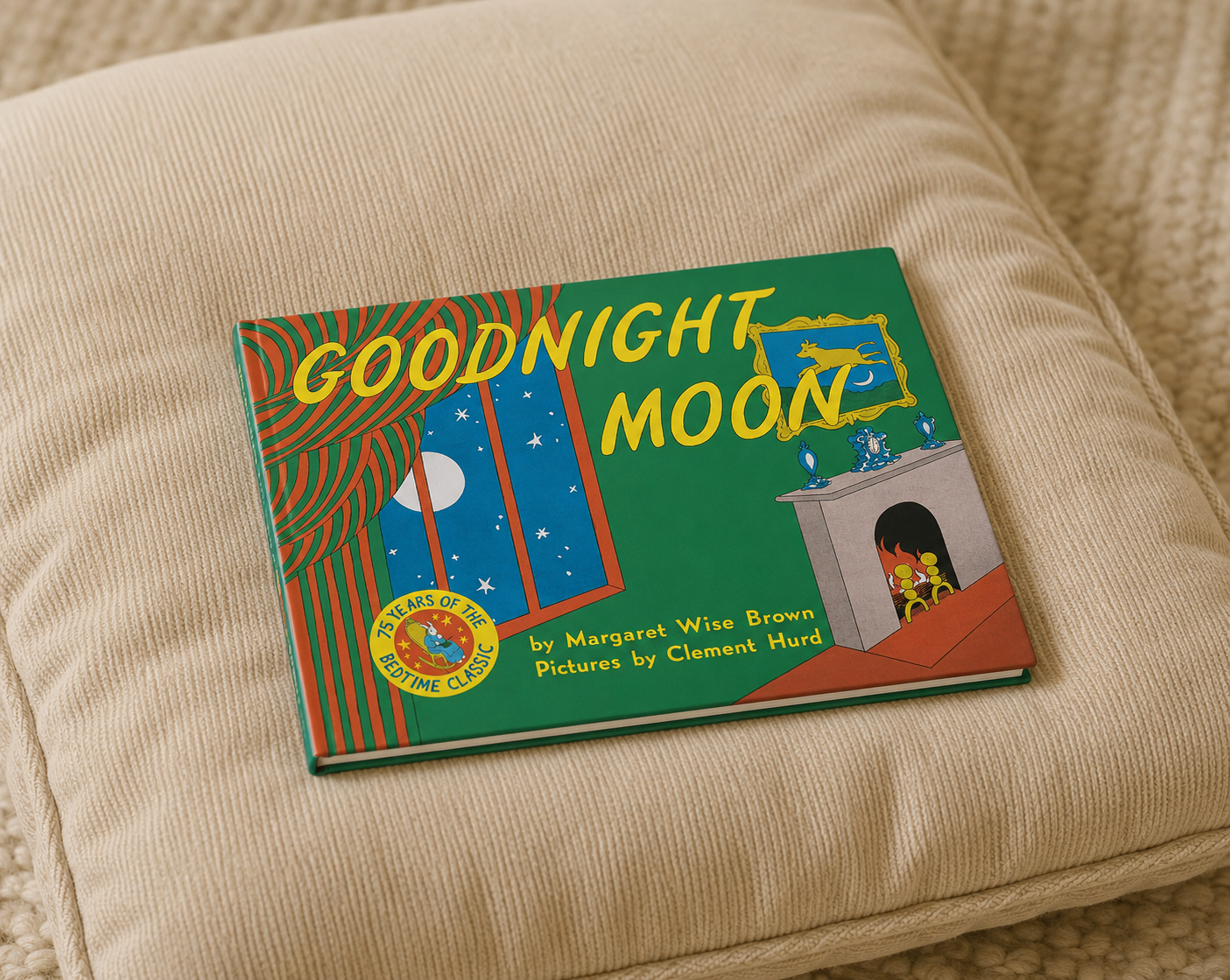
Goodnight Moon
A beautifully repetitive bedtime classic that naturally slows the pace.
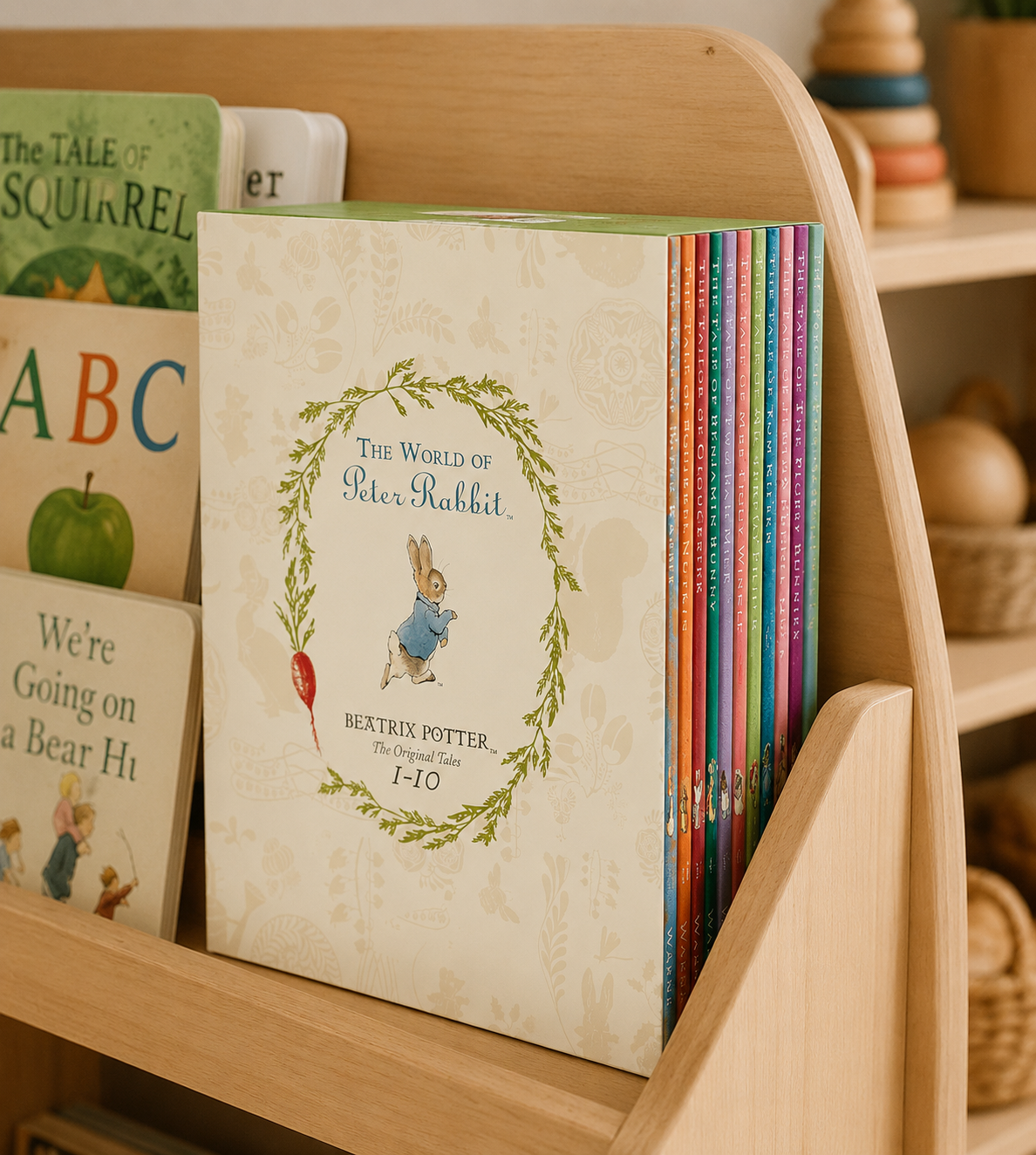
The Tale of Peter Rabbit Collection
Gentle storytelling, beautiful illustrations and stories that work just as well during the day as they do before bed.
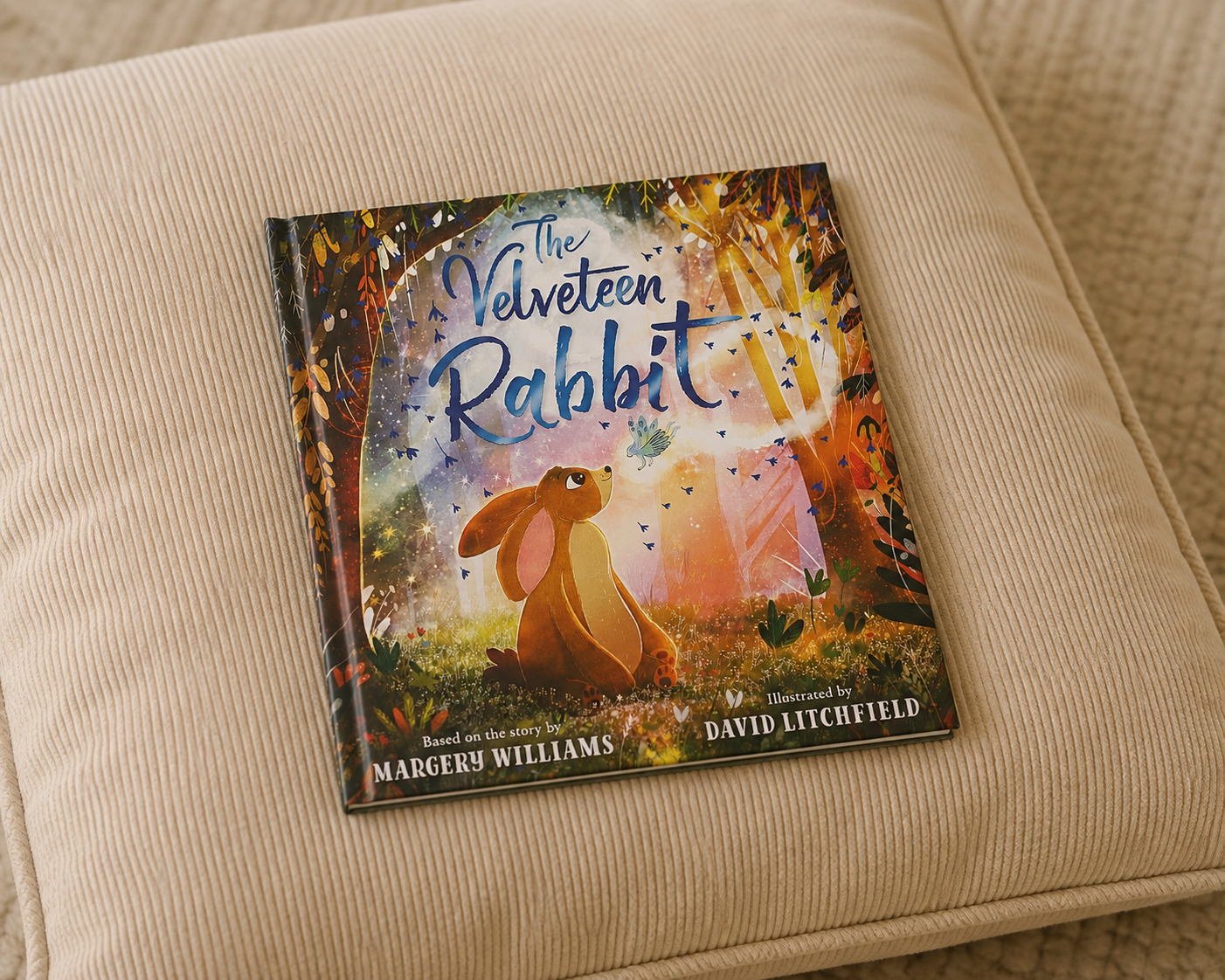
The Velveteen Rabbit
One of those timeless books that feels comforting every time you read it.
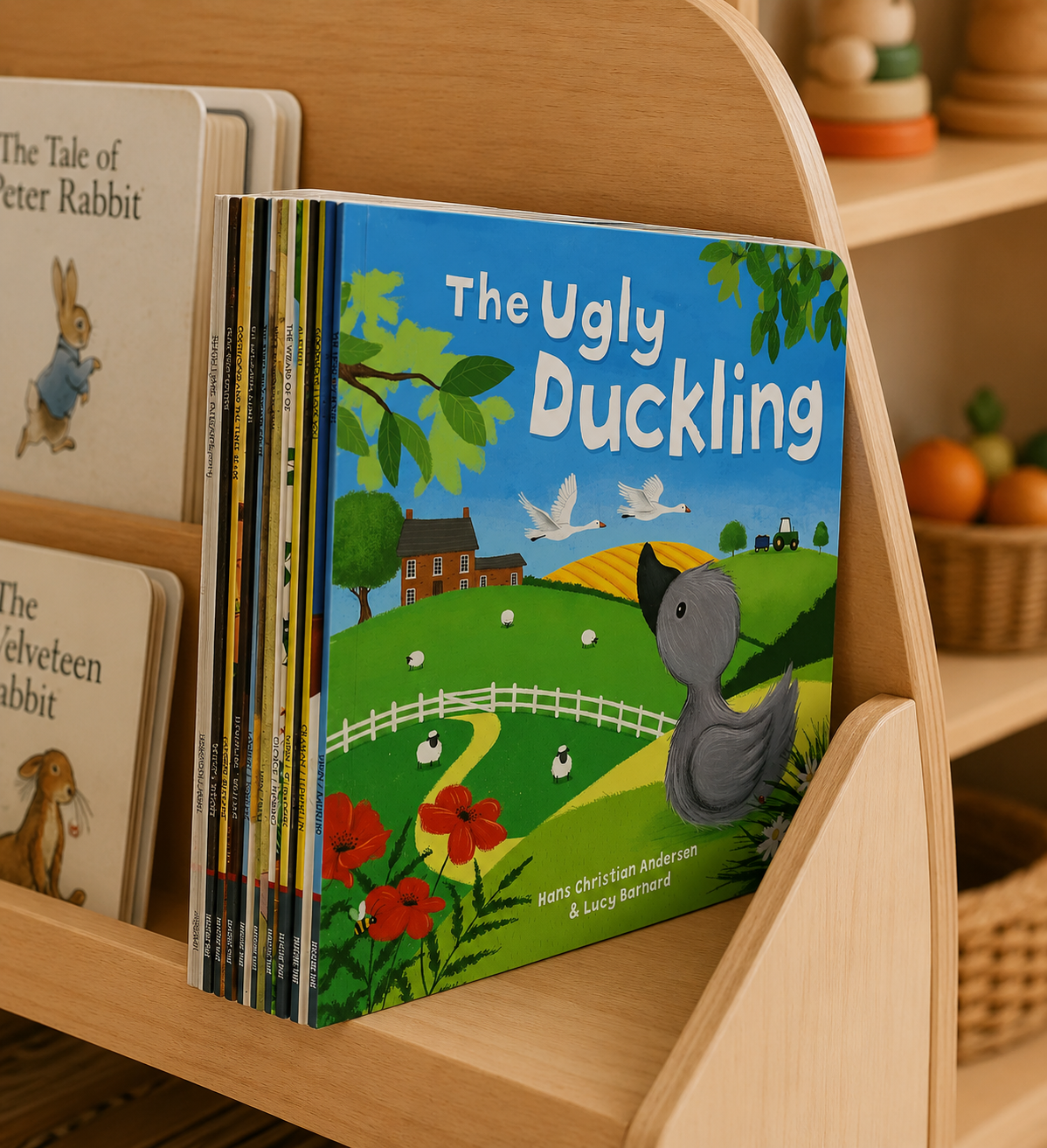
Children’s Storybook Collection
The Ugly Duckling • Goodnight I Love You • Aladdin • The Wizard of Oz • Alice in Wonderland • The Three Billy Goats Gruff • The Velveteen Rabbit • Goldilocks • Cub’s First Winter • See You Later Alligator
Perfect if you’re starting a small home library without buying lots of individual books.
Who’s In Your Book? Series
- interactive and engaging
- encourages participation without overstimulation
- simple, repetitive structure toddlers enjoy
Perfect for toddlers who don’t always sit still but still need a calmer activity.
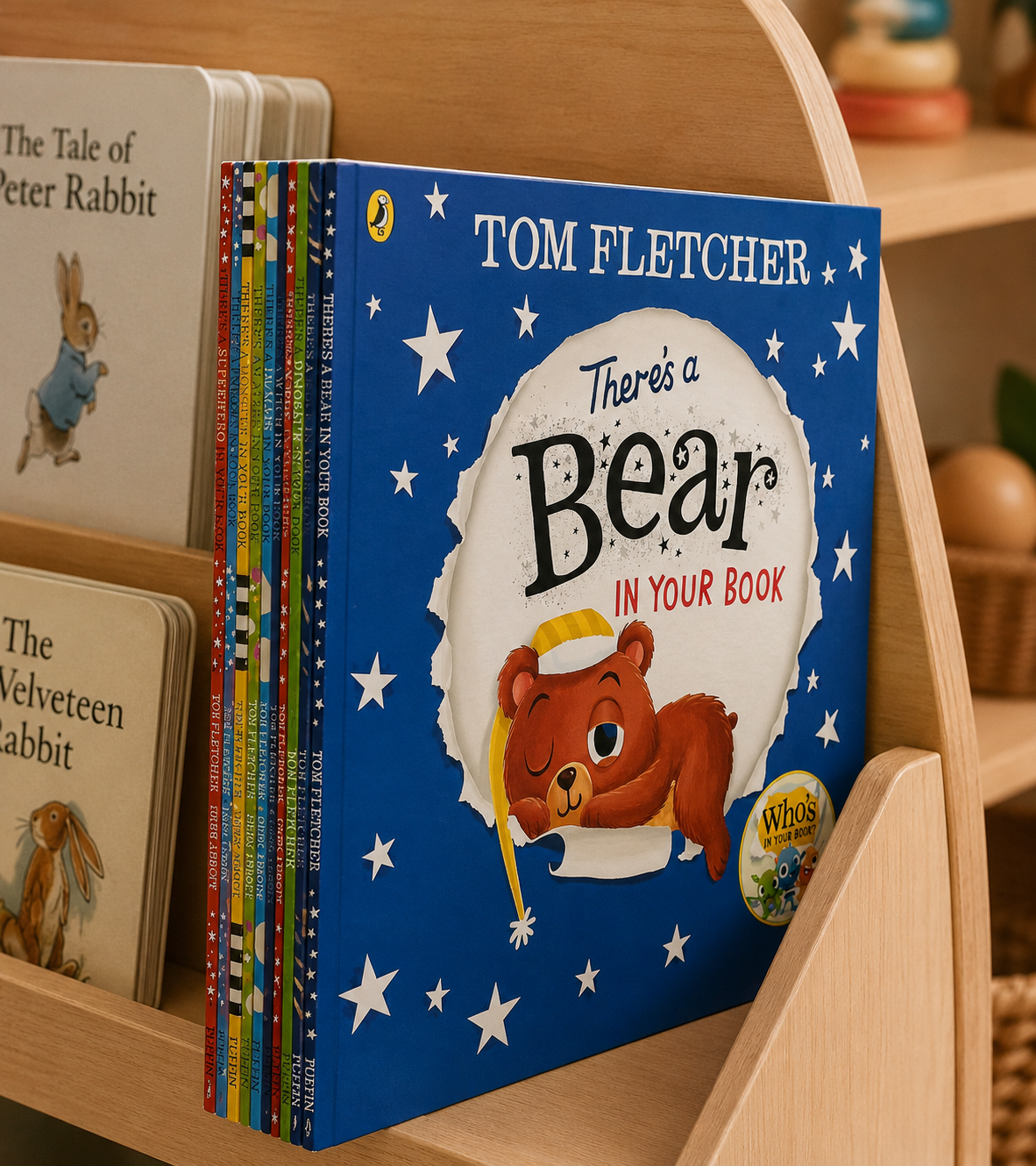
You don’t need a large collection — just a few calming favourites your child can return to daily.
2. One Small Basket of Quiet Toys
Less is almost always more.
Rather than offering every toy they own, try creating a small basket that only appears during quiet time.
Ours would probably include:
- one simple puzzle
- one soft toy
- one small open-ended toy
- a few books
Keeping the basket small makes it feel special while reducing the overwhelm that comes with having too many choices.
We particularly like simple lacing beads, wooden dress-up puzzles and Play-Doh noodle party set for this purpose.
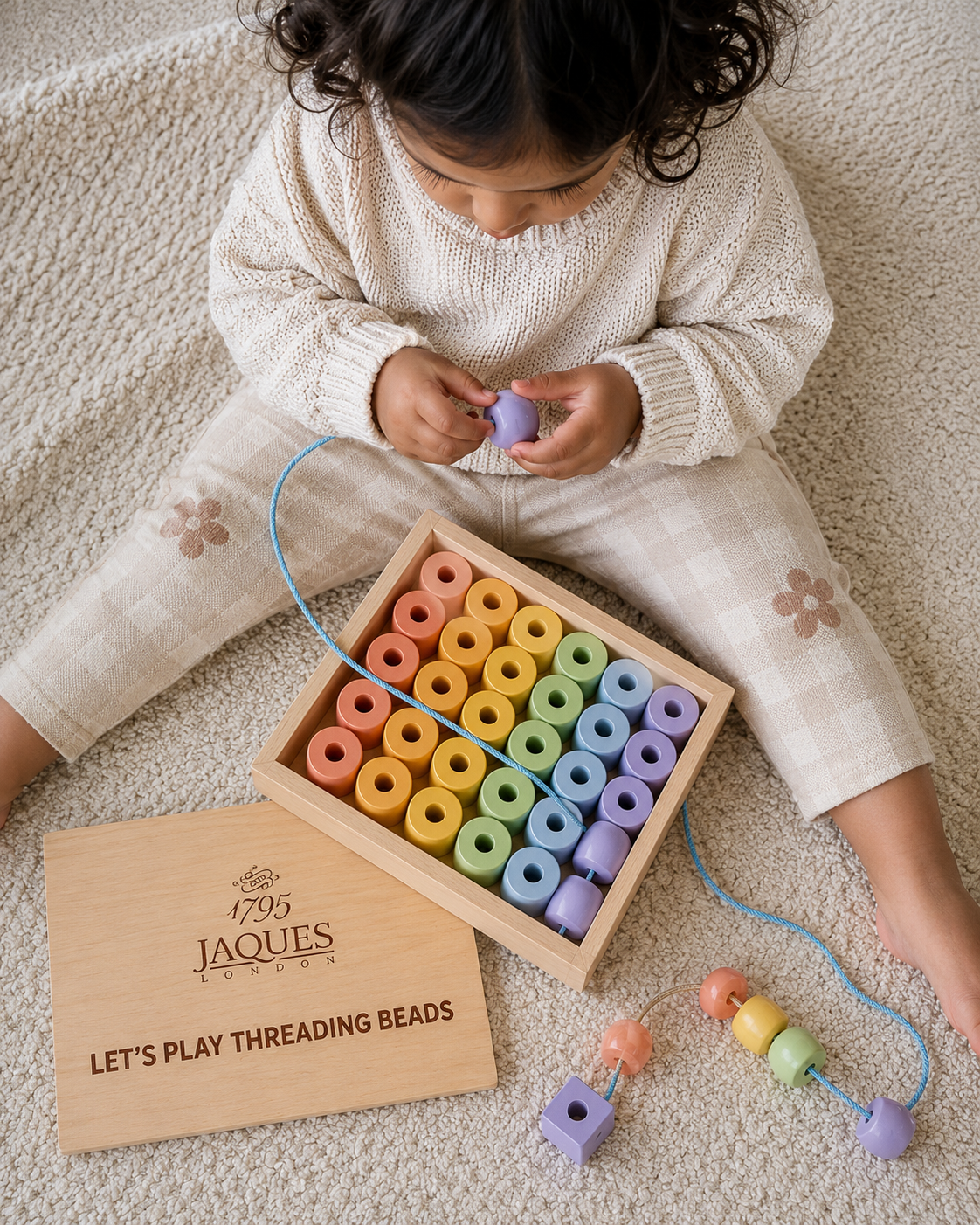
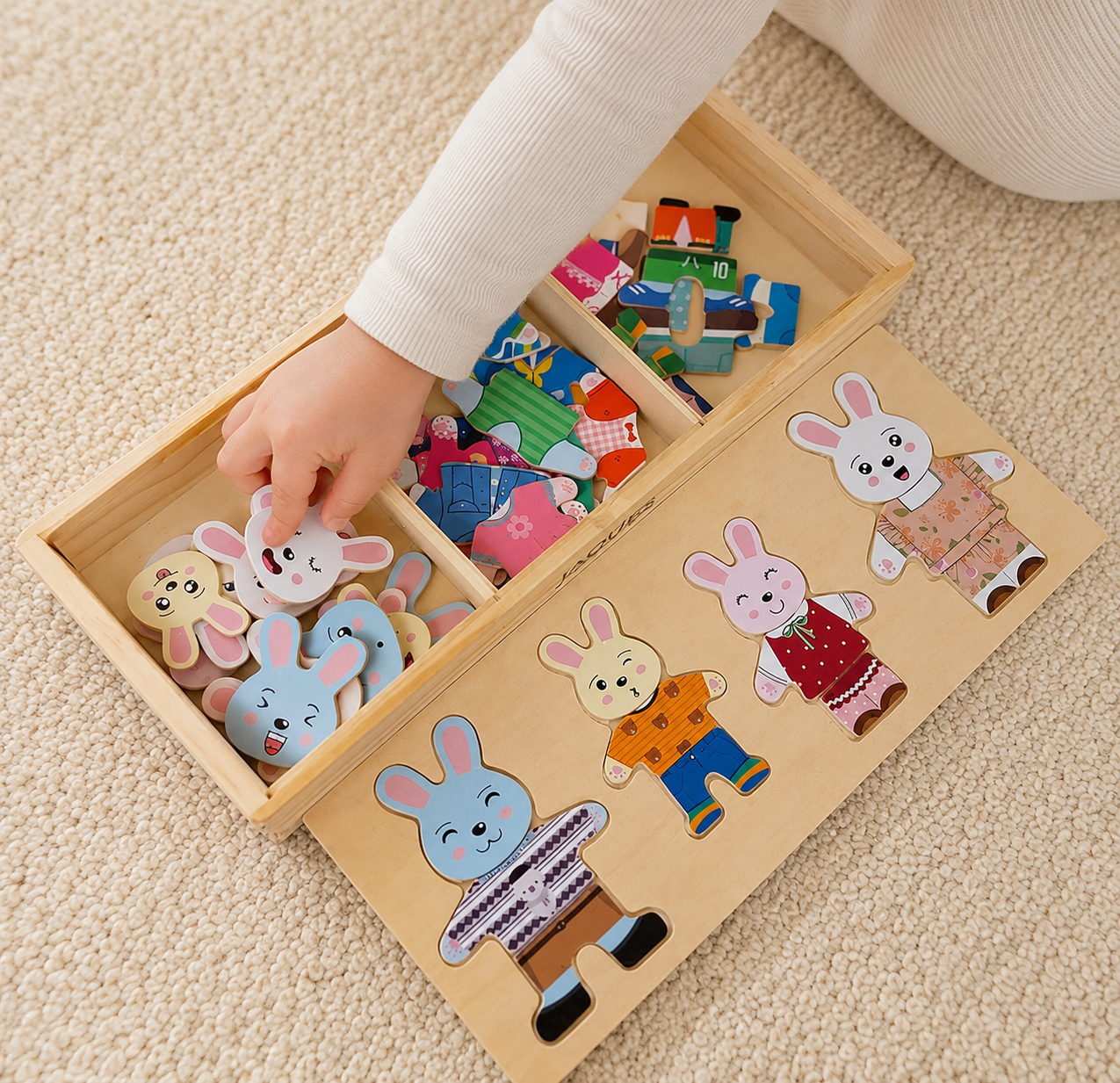
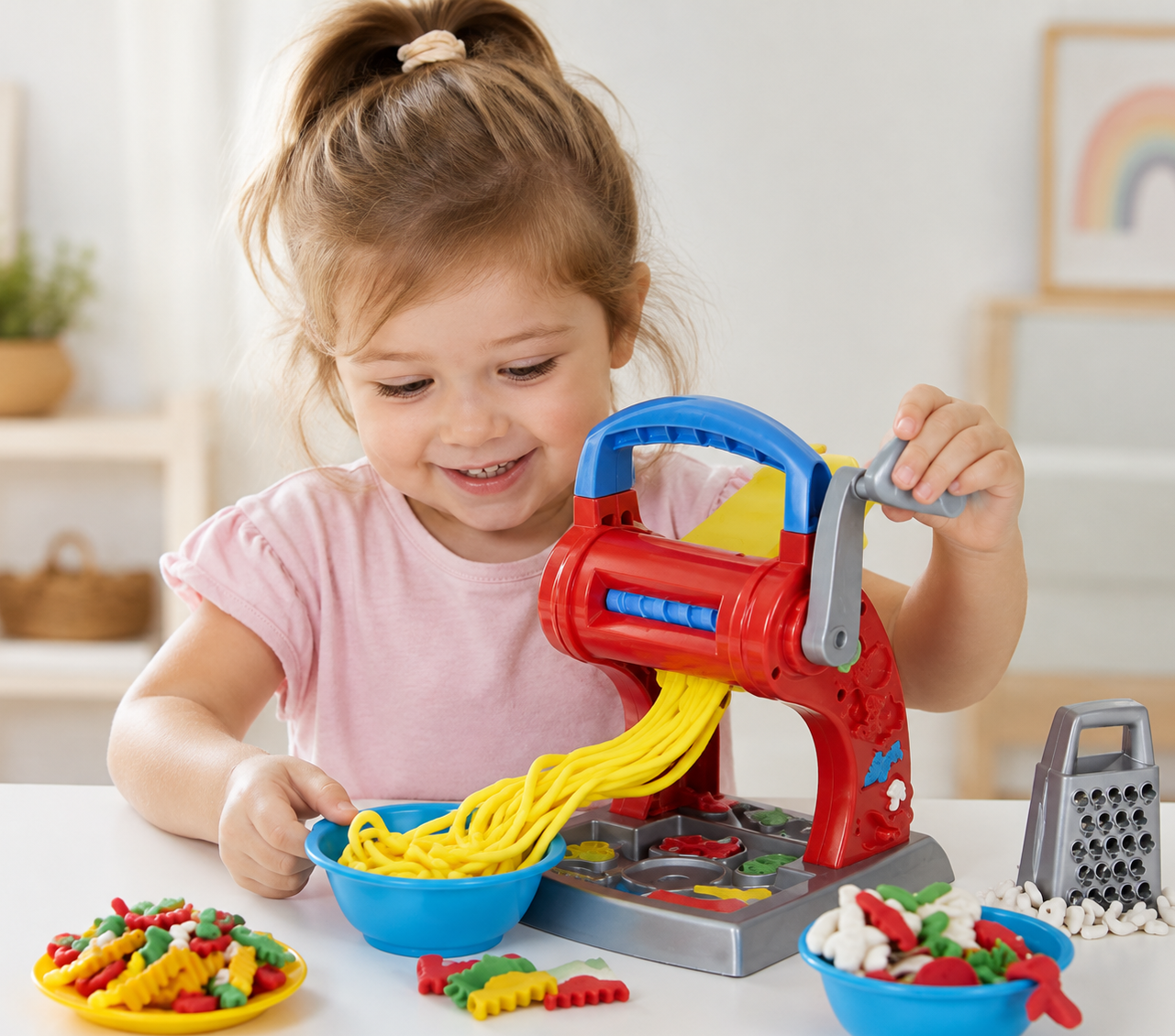
They’re easy to bring out, put away again and revisit day after day without feeling overwhelming. If you’re looking to add one or two quiet-time favourites, you’ll find a few of our tried-and-tested recommendations in our guide to Montessori Toys That Build Focus & Independent Play.
3. Soft Toys and Imaginative Play
Not every quiet activity needs to involve learning.
Sometimes a favourite teddy, doll or animal is enough.
Many toddlers naturally create little stories, tuck toys into blankets or simply chat quietly to themselves.
Those moments are every bit as valuable as completing a puzzle.
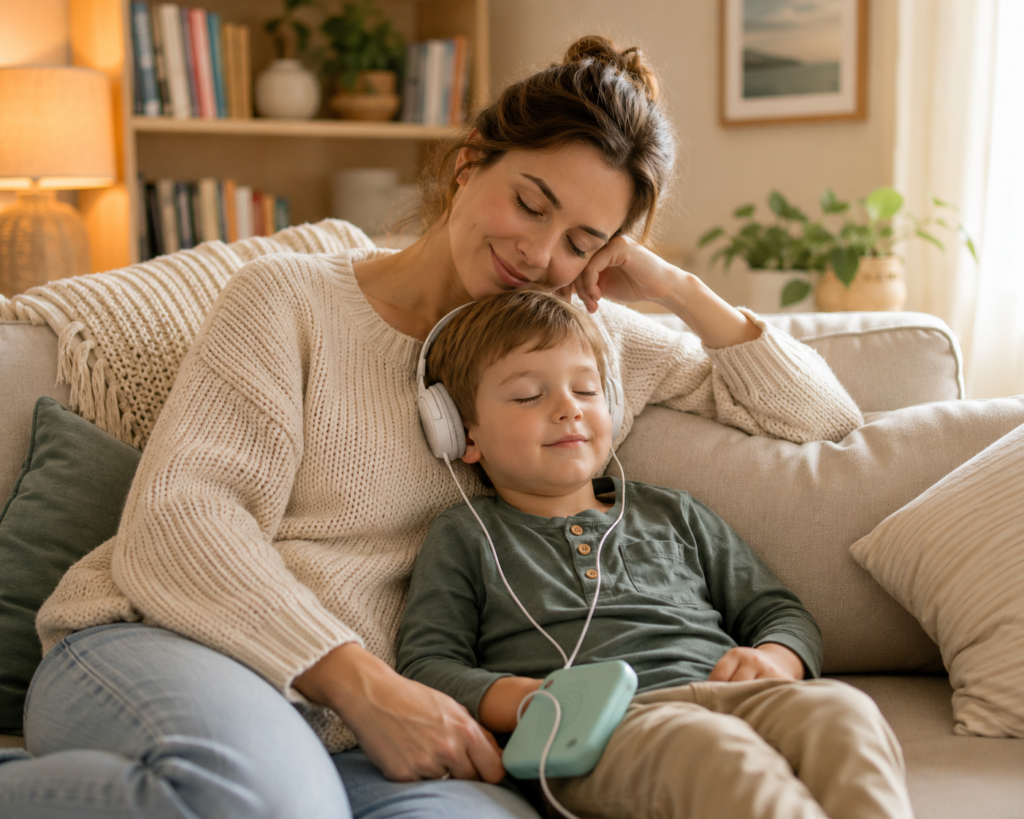
4. Calm Audiobooks (When You Need a Little Help)
Shared reading will always be our first choice.
But there are days when your toddler simply won’t sit with books for long.
A familiar audiobook can sometimes bridge that gap.
Listening to calm stories gives toddlers something gentle to focus on without introducing another screen.
If you’d like to try it, Audible offers a free trial with children’s stories included.
Try Audible (UK) Free for 30 Days
Creating a Quiet Time Space
The environment often matters more than the activity.
You don’t need a dedicated playroom.
A blanket, a few cushions, soft natural light and a small basket of carefully chosen activities are often enough.
If you’d like ideas, our guide to How to Create a Calm Corner for Toddlers walks through everything we found helpful.
If Quiet Time Isn’t Working Yet
Quiet time is something toddlers learn.
Don’t expect an hour on day one.
Start with ten or fifteen minutes.
Stay nearby if needed.
Keep the routine the same every day.
Some afternoons your toddler will happily look through books for half an hour.
Other days they’ll last five minutes before asking for a cuddle.
Both are completely normal.
Our Advice
If there’s one thing we’d encourage parents to skip, it’s the idea that quiet time has to be filled with activities.
In our experience, toddlers don’t need constant entertainment.
A few favourite books, one or two simple toys and a calm, predictable space are usually enough.
The goal isn’t keeping them busy.
It’s giving them a chance to slow down—and giving yourself permission to do the same.
Frequently Asked Questions
At what age should you start quiet time?
Most children are ready for quiet time when they begin dropping their daytime nap, usually between 2½ and 4 years old. Even if they no longer sleep, many toddlers still benefit from a predictable period of rest and calm play each afternoon.
How long should toddler quiet time last?
Start with around 10–15 minutes and gradually increase the length as your toddler becomes more comfortable. Many families eventually settle into 30–60 minutes of quiet time, depending on their child’s age and temperament.
What are the best quiet time activities for toddlers?
The best quiet time activities are calming, simple and easy to enjoy independently. Books, simple puzzles, soft toys, sticker books, drawing, and a small basket of familiar activities usually work better than noisy or fast-paced toys.
What if my toddler won’t stay in their room for quiet time?
This is very common at first. Begin with short sessions, stay nearby if needed, and keep expectations realistic. A consistent routine is usually more important than achieving a long period of independent quiet time straight away.
Can quiet time replace a nap?
For many older toddlers, yes. While quiet time doesn’t provide the same physical benefits as sleep, it still offers an important opportunity to slow down, regulate emotions and recharge before the rest of the day.
Should quiet time include screens?
We generally recommend keeping quiet time screen-free whenever possible. Television and tablets tend to stimulate rather than calm the brain, making it harder for children to relax and transition into the rest of the afternoon.
How do I create a calm quiet time space?
A comfortable reading corner, soft lighting, a few favourite books and a small basket of carefully chosen toys are often all you need. Keeping the space simple helps reduce distractions and encourages independent play.
Why is my toddler suddenly refusing naps?
Many toddlers go through a phase where they stop falling asleep during the day but still become tired by late afternoon. Introducing quiet time instead of insisting on a nap can provide the rest they still need while reducing bedtime battles.
You Might Also Find Helpful