
Best Sensory Toys Recommended by Therapists for Autistic Children (3+)
Sensory toys therapists recommend for autistic children can help reduce sensory overload, improve focus, and support emotional regulation during play.
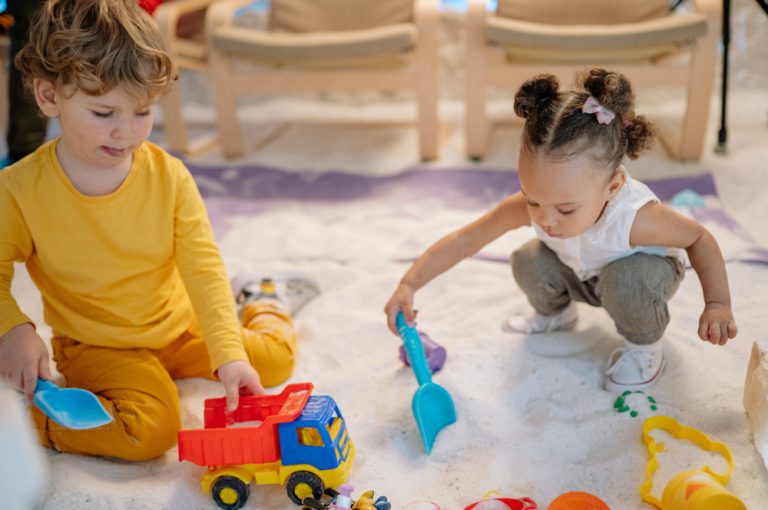
Sensory toys therapists recommend for autistic children can help reduce sensory overload, improve focus, and support emotional regulation during play.

A Montessori toddler daily routine helps children feel calm, secure, and independent. Learn how to create a simple daily rhythm that works for toddlers aged 1–3 years.
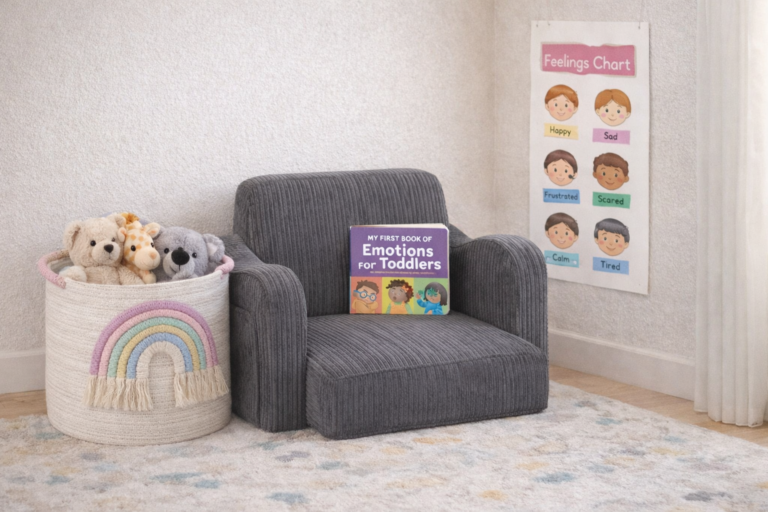
A Montessori calm corner gives toddlers a safe space to pause, regulate emotions, and reset during big feelings. Learn how to create a simple calm-down space at home with easy setup ideas and calming tools.
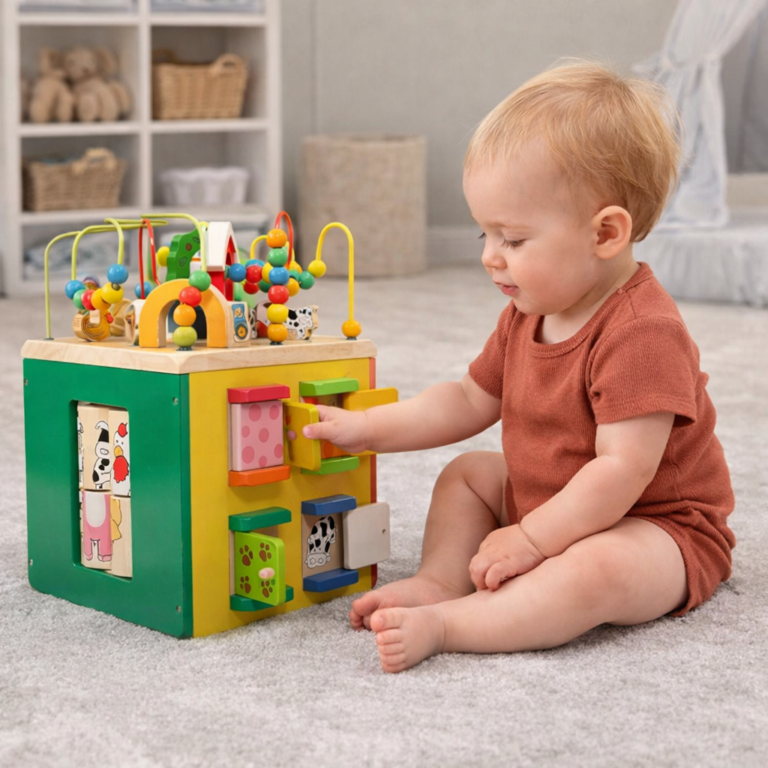
Looking for the best Montessori toys for a 1 year old? Discover simple, development-focused toys that support motor skills, concentration, and independent play.

Raising a happy toddler doesn’t require perfection. Discover simple tips to support independence, emotional development, play, and confidence in children aged 2–3.

Food throwing is a common toddler behaviour. Discover why toddlers throw food during meals and what this stage means for their development.

Helping your toddler learn to feed themselves? These Montessori feeding tools support independent eating for toddlers aged 18–24 months.

Spring is the perfect season for outdoor exploration with toddlers. These simple spring gardening activities for 2-year-olds help children develop coordination, curiosity, and independence while enjoying nature. From watering plants to digging soil, these Montessori-inspired outdoor activities turn everyday garden moments into meaningful learning experiences.

Many parents wonder why a 2 year old ignores you during play or instructions. Developmental psychology explains how attention, independence, and emotional regulation shape toddler listening behaviour.

Many parents notice the same pattern: the more exhausted mum becomes, the more toddlers seem to cling. Neuroscience explains why this behaviour is deeply wired.