
Simple Montessori Summer Activities for Toddlers (Ages 2–3)
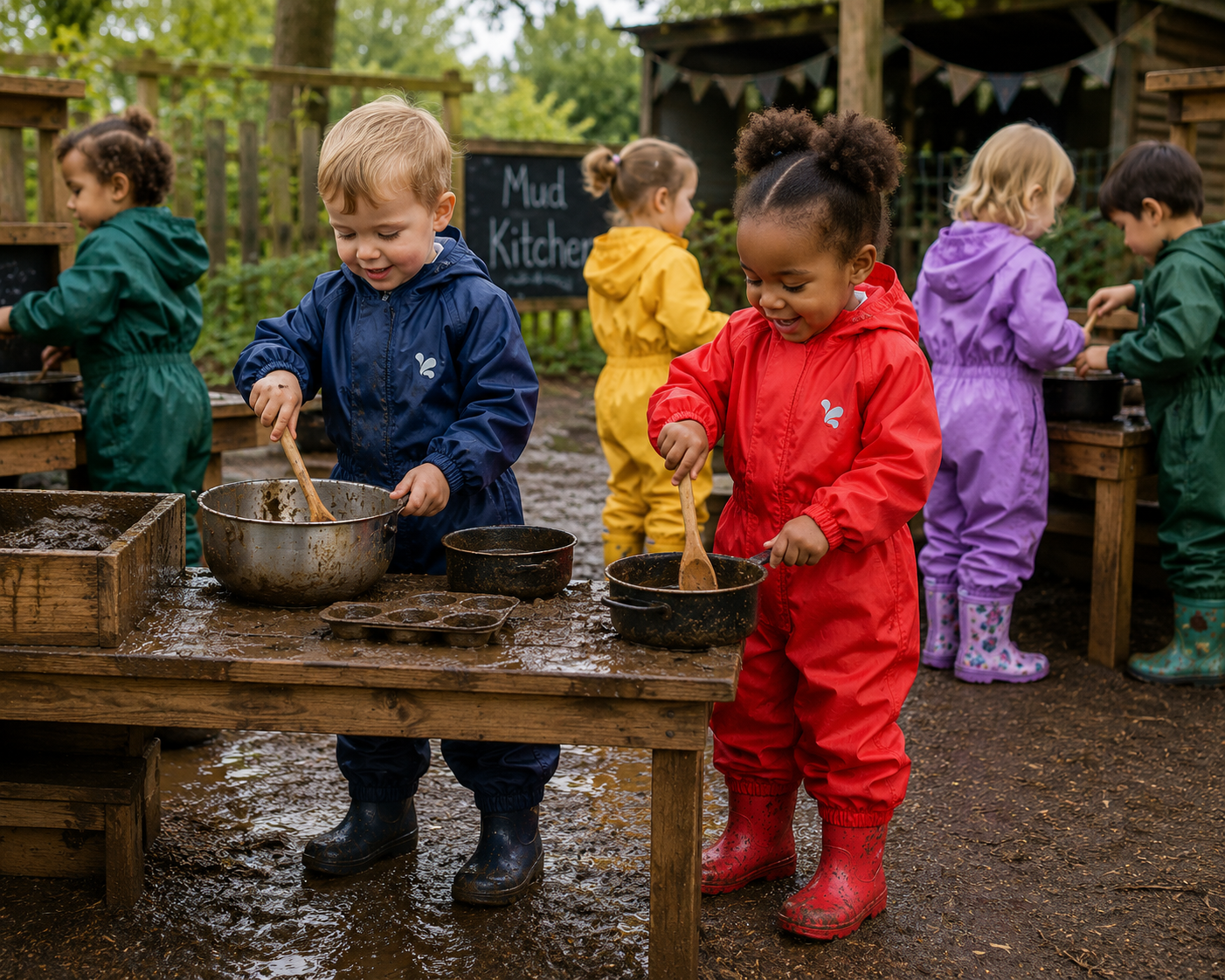
Simple Montessori summer activities for toddlers aged 2–3 that build independence, coordination, and calm routines — at home and outdoors.
Toddlers between 18 and 24 months are developing rapidly in language, independence, and emotional awareness. This guide shares practical Montessori activities, play ideas, and parenting strategies designed for this stage. Discover ways to support independent play, encourage communication, and create meaningful learning experiences through everyday activities. You’ll also find advice on navigating toddler behaviour, building routines, and choosing toys that support curiosity and problem solving.

Simple Montessori summer activities for toddlers aged 2–3 that build independence, coordination, and calm routines — at home and outdoors.

If your toddler can’t decide and keeps changing their mind, it’s often due to development — not defiance. Here’s what’s really happening and how to respond calmly.

Learn how to encourage independence in toddlers with simple, practical Montessori strategies that build confidence through everyday life skills.

Choosing the right night light can make a big difference for toddlers who won’t sleep. This guide explores simple, Montessori-friendly options that create a calm, supportive sleep environment.

Struggling to teach your toddler to eat independently? This practical guide shows you how to support self-feeding, reduce frustration, and build confidence step by step.

When your toddler hits another child, knowing how to respond can feel stressful. These calm, practical steps help you handle the moment confidently and support better behaviour over time.

Quiet time ideas for toddlers who won’t nap — simple, screen-free ways to help your child rest, reset, and play independently using books, calm activities, and a gentle routine.

Looking for the best floor beds for toddlers in the UK? This guide covers simple, safe Montessori options that support independence and make bedtime feel calmer and easier.

Independent play isn’t just about keeping your toddler busy. Research shows it plays a key role in developing focus, emotional regulation, and confidence. Here’s what it really looks like — and how to support it simply at home.

Transitions can be hard for toddlers. A visual timer makes time easier to understand—helping reduce resistance and create calmer routines.