Separation Anxiety at 18 Months: What’s Normal and How to Respond Gently
Separation anxiety at 18 months can feel sudden and intense.
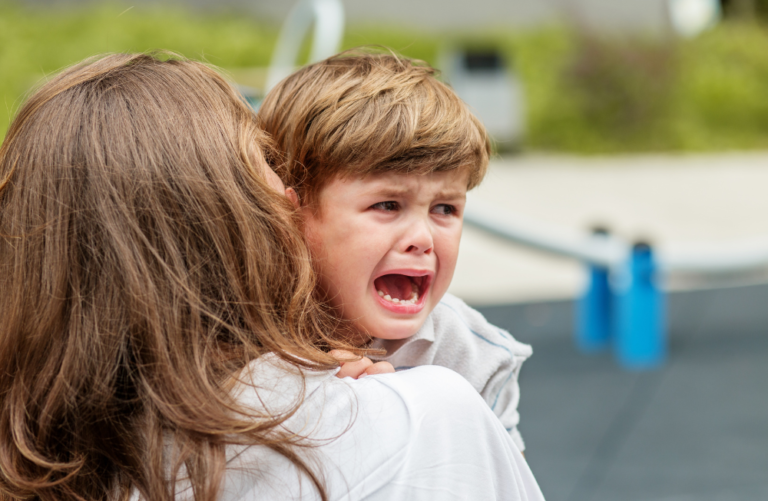
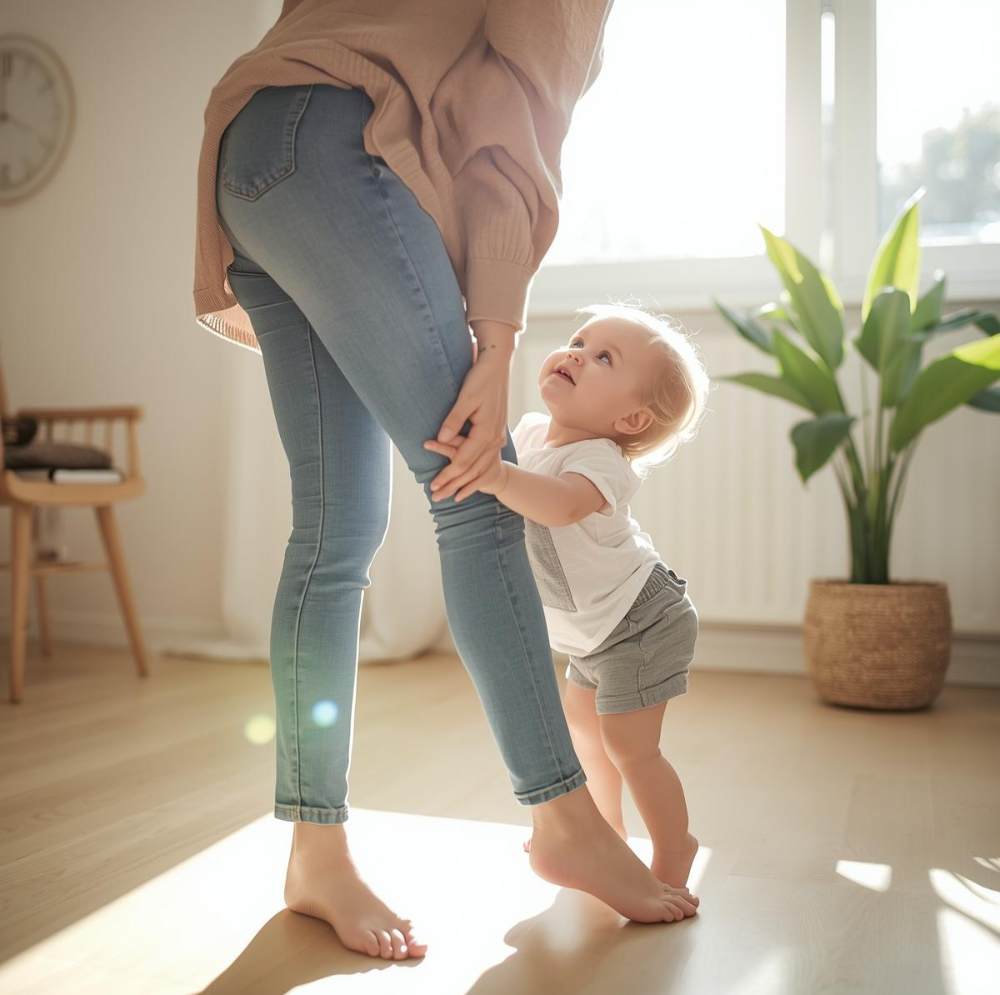
One week your toddler happily wanders from room to room. The next, they cry the moment you step away. They cling to your legs while you try to cook dinner. They wake at night calling for you. Nursery drop-offs become tearful and exhausting.
If you’re wondering whether this is normal — it absolutely is.
Disclaimer: This post contains affiliate links. I may earn a small commission at no extra cost to you. As an Amazon Associate I earn from qualifying purchases.
In fact, separation anxiety at 18 months is one of the most common developmental peaks in early childhood.
Understanding why it happens can make it easier to respond calmly — and confidence-building responses are what help this phase pass more smoothly.
Why Separation Anxiety Peaks at 18 Months
At around 18 months, your toddler’s brain is going through enormous changes.
They are developing:
- Stronger memory
- A clearer sense of attachment
- Early imagination
- A growing desire for independence
Here’s what shifts developmentally:
Your toddler now understands that you exist even when you’re not in sight. This concept, known as object permanence, is fully strengthening around this age.
But they don’t yet understand time.
So when you leave the room, they cannot grasp whether you’ll return in 30 seconds or 30 hours.
To them, it feels uncertain.
And uncertainty feels unsafe.
This isn’t manipulation. It’s neurological development catching up to emotional regulation — which is still very immature at 18 months.
Signs of Separation Anxiety at 18 Months
Separation anxiety at 18 months can show up in different ways. Some toddlers are openly distressed. Others become more irritable or clingy.
Common signs include:
- Crying when you leave the room
- Refusing to play independently
- Panic during nursery or daycare drop-off
- Increased tantrums
- Waking more frequently at night
- Wanting constant physical contact
You may also notice that your once-confident toddler suddenly wants to be carried more often or insists on sitting next to you during play.
This stage often overlaps with sleep regressions and developmental leaps, which can make everything feel amplified.
Why 18 Months Feels Especially Intense
This age is a paradox.
Your toddler wants independence.
They want to climb, explore, choose, and assert preferences.
But they also need reassurance.
This push-pull dynamic can look like:
“I want to do it myself!”
Followed immediately by,
“Don’t leave me!”
Their emotional system is learning to handle separation — but it needs repetition and safety to do so.
How Long Does Separation Anxiety Last at 18 Months?
For most toddlers, separation anxiety peaks between 14 and 24 months.
It usually comes in waves.
You might notice:
- A few intense weeks
- Gradual improvement
- Brief regressions during growth spurts
Consistency matters more than speed.
The goal isn’t to eliminate anxiety overnight. It’s to help your child build trust through predictable experiences.
What Actually Helps Separation Anxiety at 18 Months
There is no quick fix. But there are effective, gentle strategies.
1. Keep Goodbyes Short and Predictable
It’s tempting to sneak away while your toddler is distracted.
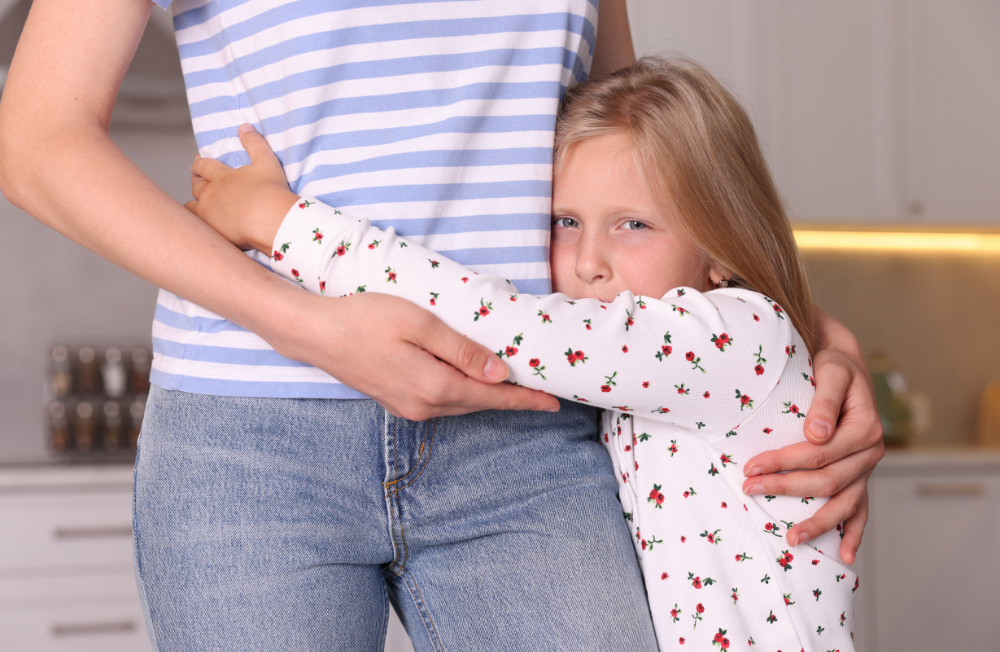
But disappearing without warning can increase anxiety long-term because it breaks trust.
Instead:
Say goodbye.
Keep it calm.
Keep it brief.
For example:
“I’m going to the kitchen. I’ll be back.”
Then follow through.
Repetition builds security.
Over time, your child learns:
“You leave. You return.”
2. Practice Small Separations Daily
Gradual exposure is powerful.
Start small.
Step into another room for 30 seconds.
Return calmly.
Repeat.
Then extend to one minute.
Then two.
This creates dozens of tiny experiences of successful separation.
Confidence grows from repetition — not from forcing independence.
3. Use Visual Tools to Make Time Concrete
At 18 months, toddlers cannot understand abstract explanations like “I’ll be back soon.”
But they can understand visuals.
Some parents find that visual timers reduce anxiety during short separations because children can physically see time passing.
For example, if you’re working from home or cooking, you can set a short timer and say:
“When the red is gone, I’ll come back.”
↗ Check the current price of the visual timer here
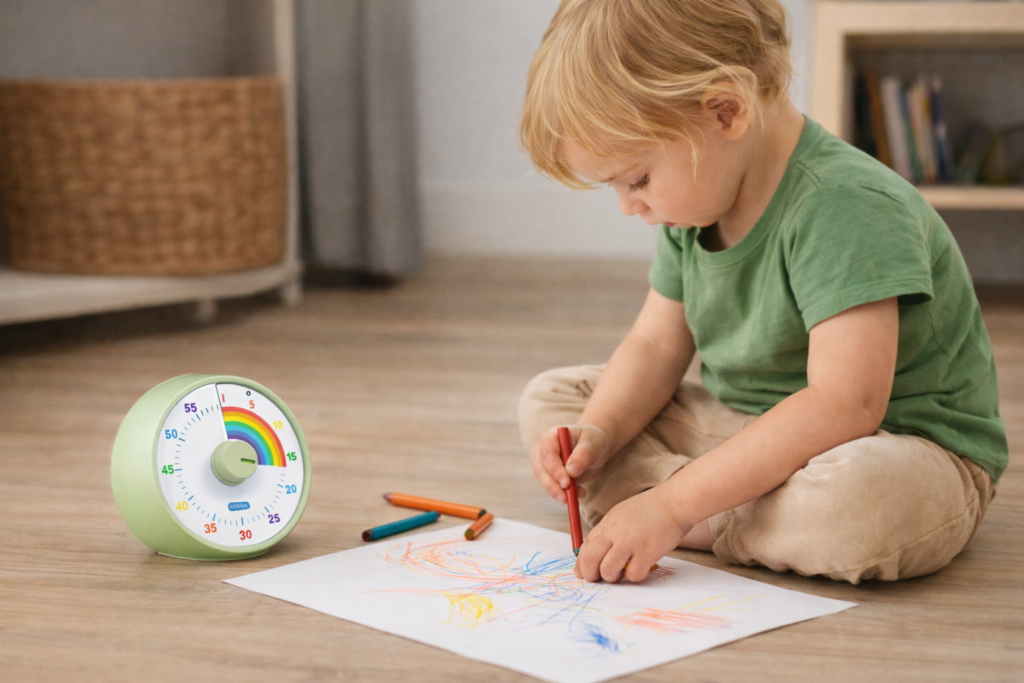
This isn’t a magic solution — but for some toddlers, predictability reduces distress.
4. Support Independent Play Gently
Separation anxiety and independent play are closely connected.
If your toddler struggles to engage alone, anxiety often feels stronger.
At 18 months, independent play doesn’t happen because we demand it.
It happens when the environment supports it.
Helpful adjustments include:
- Low, open shelving
- Only 2–4 toys visible at a time
- Clear play boundaries
- Rotating toys regularly
When choices feel manageable, concentration increases. And when concentration increases, separation feels less threatening.
You may also find this guide helpful:
→ Best Montessori Tools for Independent Play
5. Stay Calm During Big Emotions
If your toddler cries when you leave, your reaction matters more than their tears.
Avoid:
- Dramatic reassurance
- Excessive apologising
- Frantic comforting
Instead, acknowledge feelings calmly:
“You’re sad I’m leaving. I’ll be back.”
Your confidence communicates safety.
Children borrow regulation from us.
6. Night-Time Separation Anxiety
It’s common for separation anxiety at 18 months to intensify at bedtime.
You might see:
- Bedtime resistance
- Night waking
- Increased need for comfort
Stick to your bedtime routine.
Keep it predictable.
Avoid adding habits that will be difficult to maintain long-term.
Consistency is more helpful than perfection.
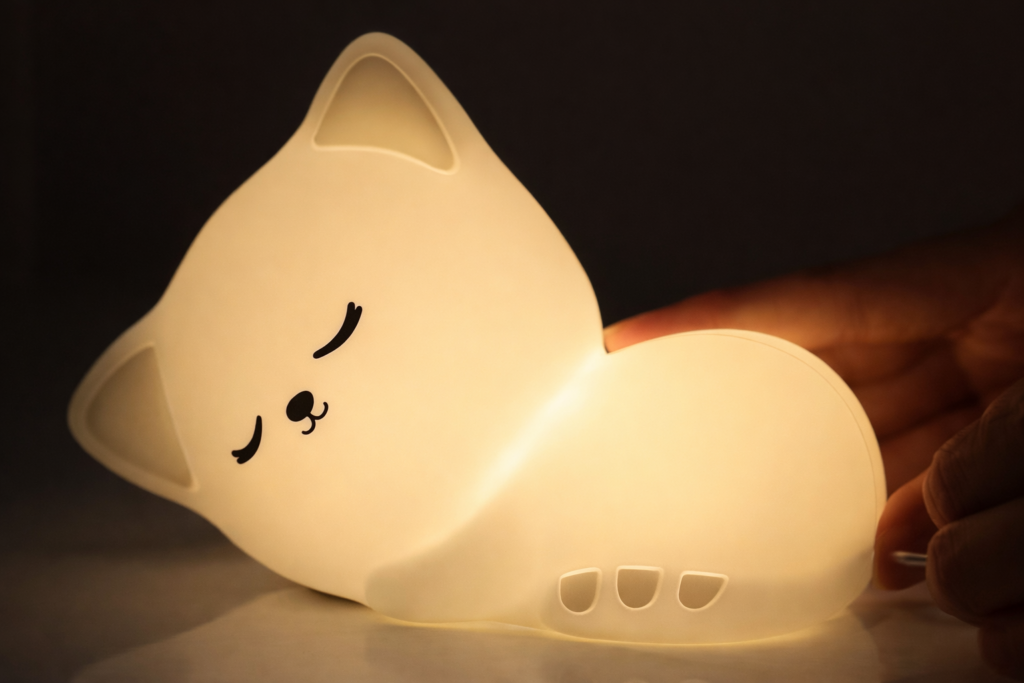
Some toddlers also feel more anxious in a completely dark room. A soft, warm-toned night light can provide gentle reassurance without overstimulating their senses. Look for a dim, amber or red glow rather than bright white light, which can interfere with melatonin production. The goal isn’t to eliminate night waking entirely — it’s to create a calm, secure environment that supports your child in settling back to sleep more confidently over time.
Some models also include a simple remote control that allows you to adjust brightness or change colours. During the day, this can double as a gentle learning tool — helping toddlers explore basic colour recognition in a calm, playful way. When used intentionally, it becomes more than just a night light; it supports both emotional security and early learning.
↗ Check the current price for soft toddler night with remote control light here
You may also find our article about how to make bedtime easier helpful:
→ Why Your Toddler Won’t Go to Sleep (And How to Make Bedtime Easier)
What Not To Do
During separation anxiety at 18 months, avoid:
- Sneaking away
- Lengthy emotional goodbyes
- Punishing clinginess
- Forcing independence
- Reacting with frustration
This stage is temporary — even if it doesn’t feel like it.
When To Seek Support
Separation anxiety is developmentally appropriate.
But consult a health professional if:
- Panic is extreme and prolonged
- Your child refuses to eat or sleep
- Distress continues beyond early toddlerhood
- Anxiety interferes with daily functioning
Most toddlers outgrow separation anxiety naturally with reassurance and repetition.
Final Thoughts
Separation anxiety at 18 months is not a sign that you’ve done something wrong.
It’s a sign your toddler understands attachment.
They know you are their safe place.
And while this stage can feel exhausting, it’s also evidence of a strong bond.
With calm responses, predictable routines, and gradual separation practice, confidence grows.
Independence follows.