
Educational Games for Toddlers That Parents Actually Enjoy Too (2+)
If you’ve ever sat down to play a “toddler game,” you’ll know the feeling.
Some of them are… not exactly enjoyable.
Most toddler games are designed to hold a child’s attention for a few minutes.
The ones families return to again and again usually feel different — simpler, calmer and genuinely enjoyable to play together.
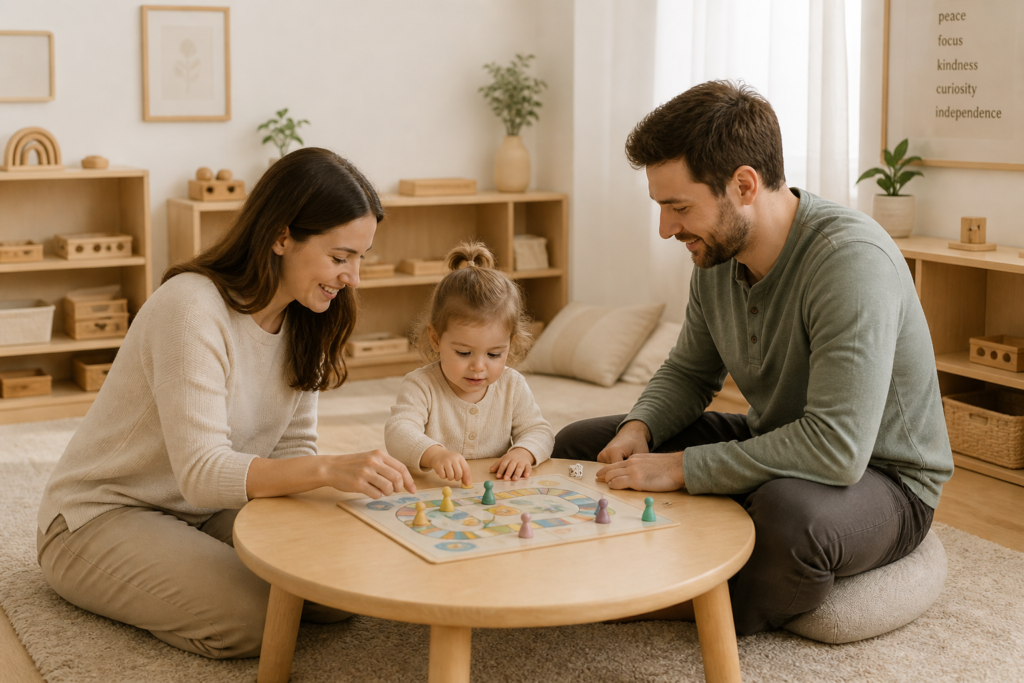
Often, the best toddler games are not the loudest or most complicated. They are the ones built around familiar kinds of play: matching, stacking, balancing, taking turns and repeating simple patterns together.
And while these games may look very simple on the surface, they quietly support important early skills like patience, coordination, problem-solving and confidence over time.
The games below are easy to learn, low-pressure to play, and enjoyable enough that parents usually do not mind joining in too.
Disclaimer: This post contains affiliate links. As an Amazon Associate I earn from qualifying purchases at no extra cost to you.
What Makes a Toddler Game Actually Enjoyable?
The best toddler games are usually much simpler than people expect.
At this age, games work best when they feel easy to join, easy to repeat and flexible enough for toddlers to play in their own way without constant correction or explaining.
The games families tend to return to most often are usually:
- simple to understand
- quick to play
- hands-on and interactive
- low-pressure rather than overly competitive
And as toddlers grow, the same games often evolve alongside them.
At first, children may simply stack pieces, move objects around or explore freely without following many rules at all. Gradually, play becomes more structured — introducing matching, turn-taking and simple problem-solving over time.
That gentle progression is often what makes these kinds of games feel enjoyable for both toddlers and parents, rather than frustrating or overwhelming.
👉 If your toddler struggles to stay engaged, learning how to support independent play can make a big difference.
Simple Educational Games for Toddlers (Ages 2+)
These are the kinds of games that work well from around age 2 and continue to be enjoyable as your child grows.
Animal Dominoes
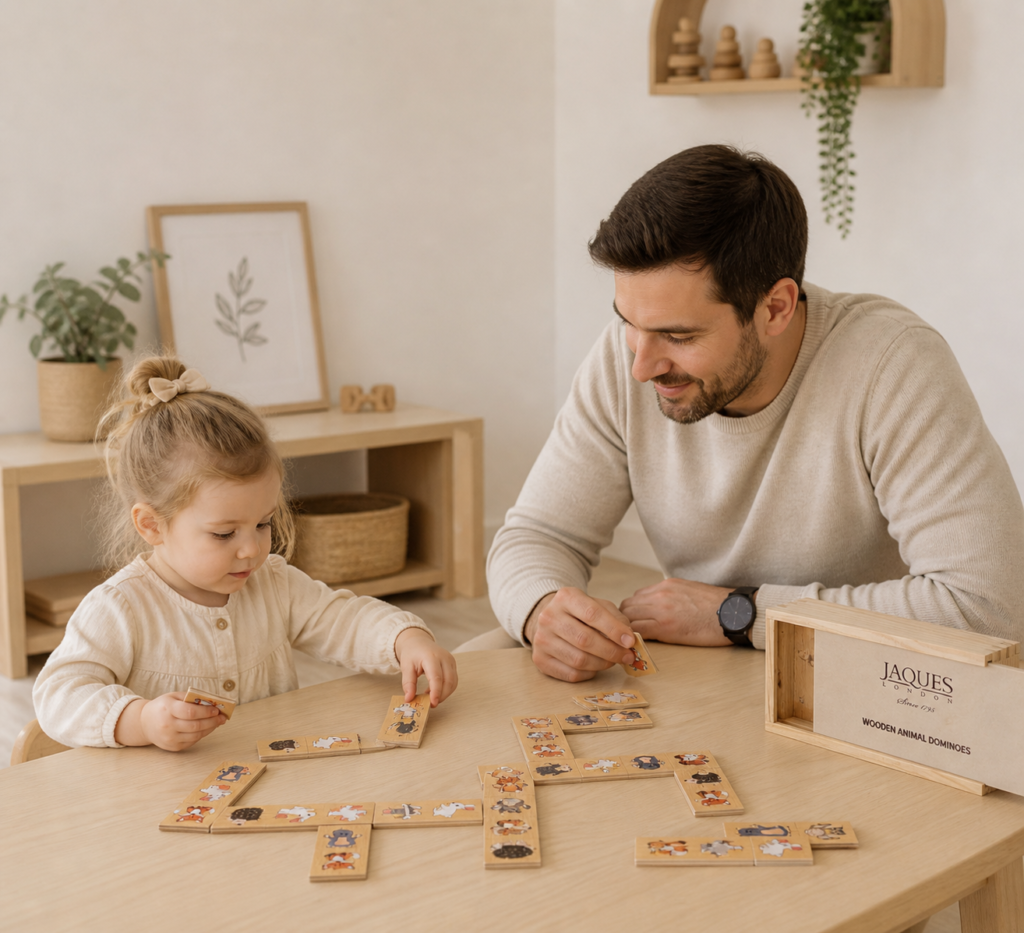
Animal dominoes are often one of the easiest games to introduce around age 2 because the play feels familiar and low-pressure from the beginning.
At first, many toddlers simply enjoy matching the animals, lining the pieces up or turning them into little patterns across the floor rather than following full game rules — and that is usually exactly how this kind of play begins.
What makes dominoes work especially well long-term is that the game naturally becomes more structured as children grow, gradually introducing matching, turn-taking and simple problem-solving without feeling too complicated too early on.
And because the setup is simple and the turns are quick, it tends to be one of the calmer toddler games that parents genuinely do not mind repeating again and again.
Wooden Tumble Tower (Jenga-Style)
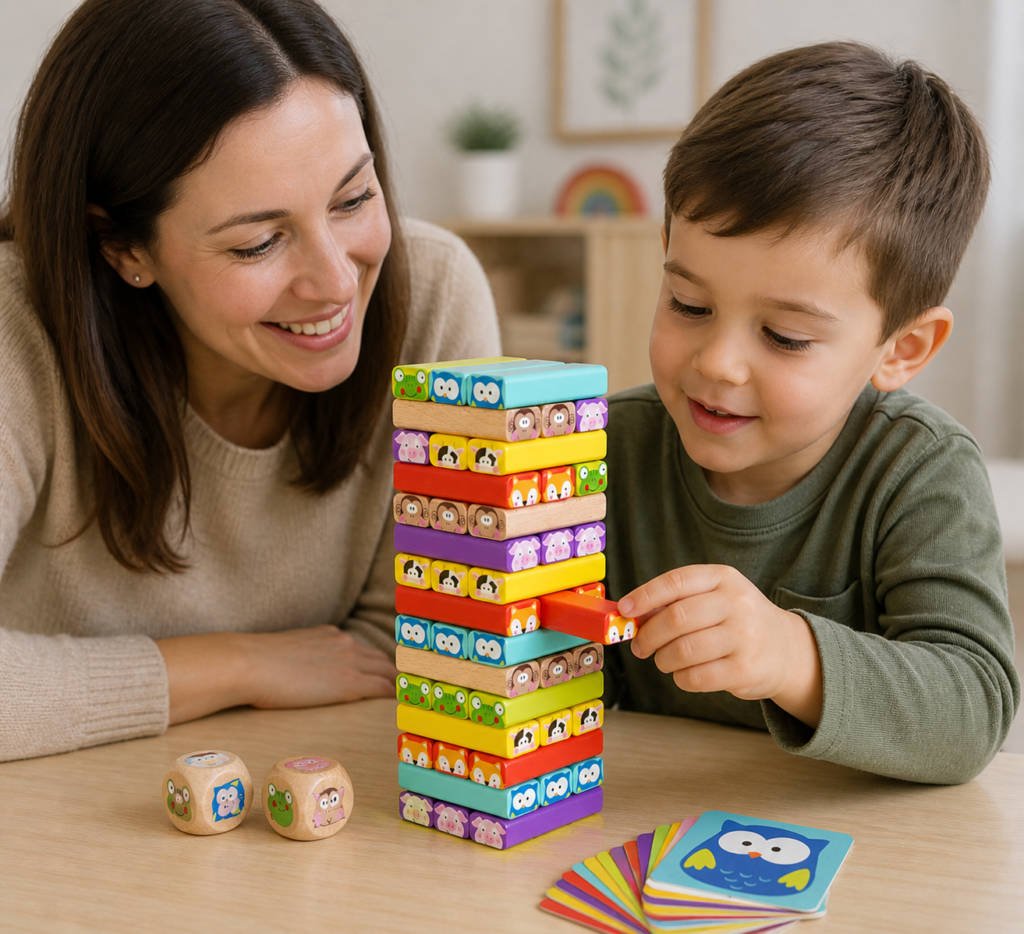
Simple stacking games often work surprisingly well for toddlers because the play feels physical, unpredictable and easy to adapt as they grow.
At first, many younger toddlers simply enjoy building towers, pulling blocks out randomly or knocking everything over again and again — which is still completely engaging at this stage.
Over time, the balancing and turn-taking side of the game gradually becomes more interesting too, which is part of what makes it enjoyable across different ages.
And because every round feels slightly different, this tends to be one of the few toddler games that stays genuinely fun for parents as well rather than feeling overly repetitive.
Snakes and Ladders
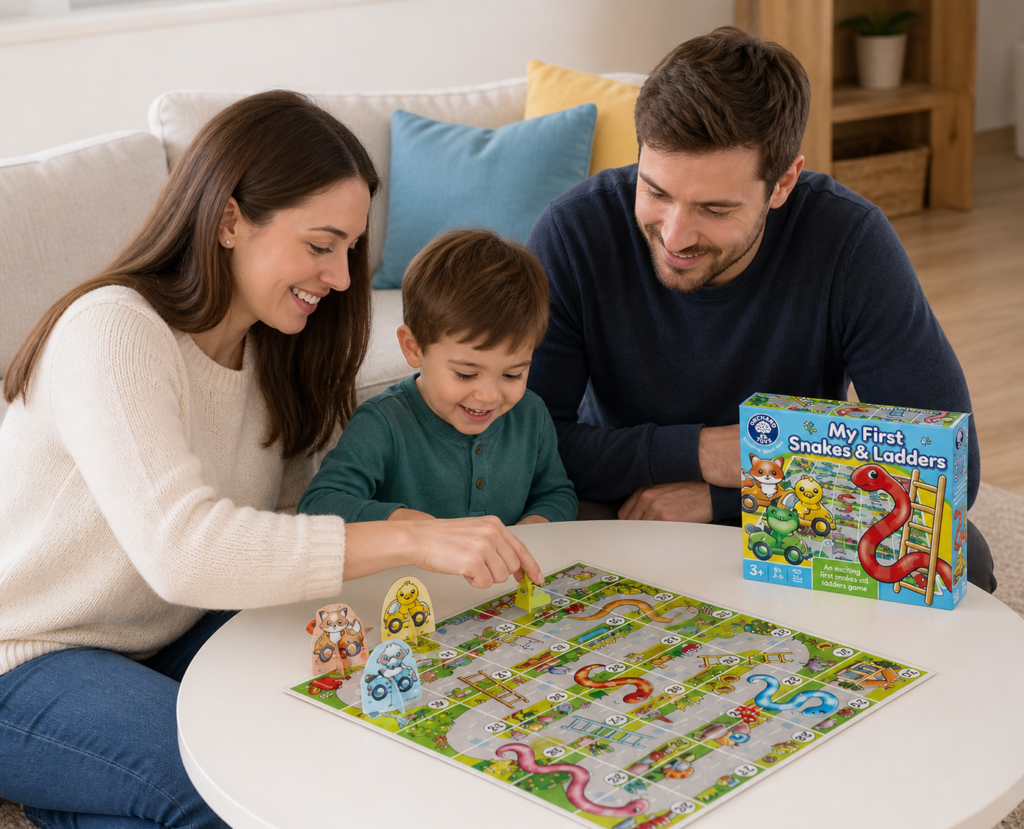
Snakes and Ladders often works surprisingly well as an early board game because the structure feels simple, repetitive and easy for toddlers to follow without too much explanation.
At this age, the excitement is usually less about winning and more about rolling the dice, moving pieces independently and waiting to see what happens next.
We also liked that the game stays very low-pressure. Toddlers can still enjoy participating even without fully understanding all the rules, which makes it much easier to play together without frustration.
And because the turns are predictable and the setup is simple, it tends to be one of the easier family games to bring out repeatedly without it feeling overly complicated or exhausting for parents too.
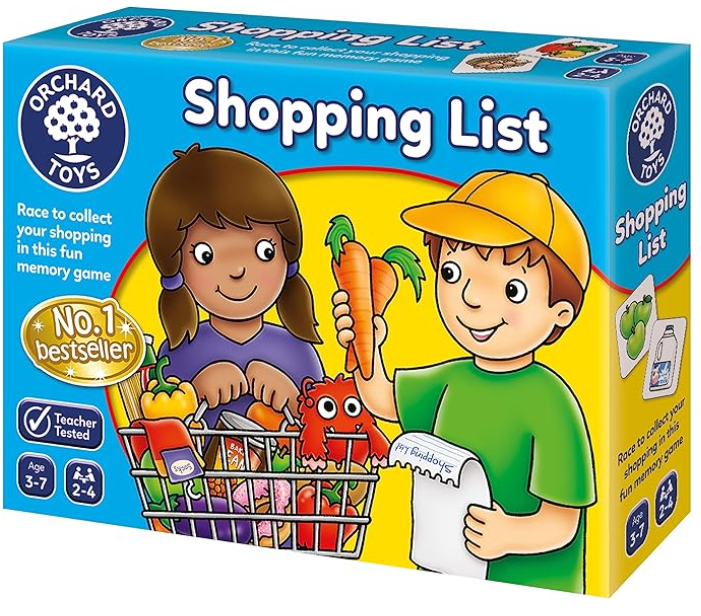
Shopping List Memory Game
Shopping List is often one of the easier memory games to introduce around age 2 because the objects feel familiar and easy for toddlers to recognise.
The matching stays simple, the goal is very clear, and many children naturally settle into the rhythm of the game without needing constant help or explanation.
We also liked that it feels calm and structured without becoming overly competitive or overstimulating, which makes it surprisingly enjoyable to play together repeatedly.
And because the turns are quick and predictable, it tends to work especially well for quieter moments when you want something engaging without creating too much chaos or excitement.
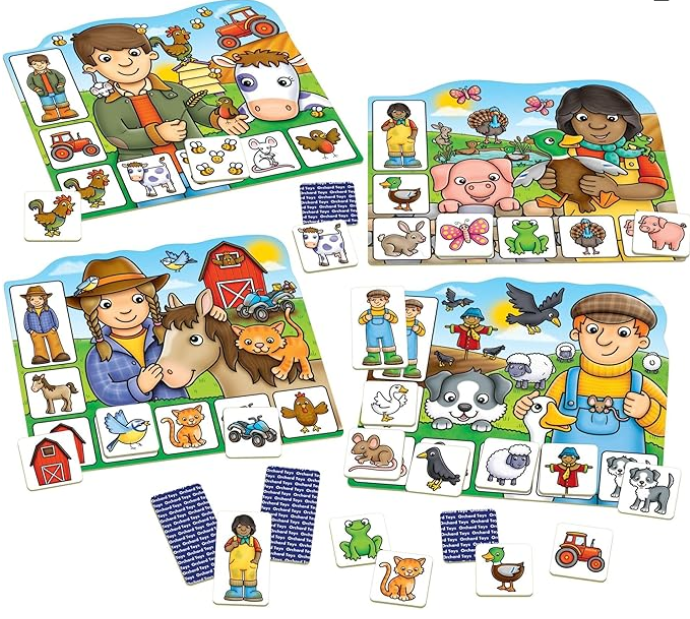
Old MacDonald Lotto
Old MacDonald Lotto is often one of the easiest games to introduce to younger toddlers because the animals and pictures already feel familiar from everyday books and songs.
The matching is simple, repetitive and easy to follow, which allows many toddlers to join in naturally without needing much explanation or correction.
We also liked that the game feels very calm and low-pressure. The turns are quick, the setup is simple, and it works well even in short bursts of play without needing long stretches of concentration.
And because the play feels so predictable and familiar, it often becomes the kind of game families can return to regularly without it feeling overwhelming for either toddlers or parents.
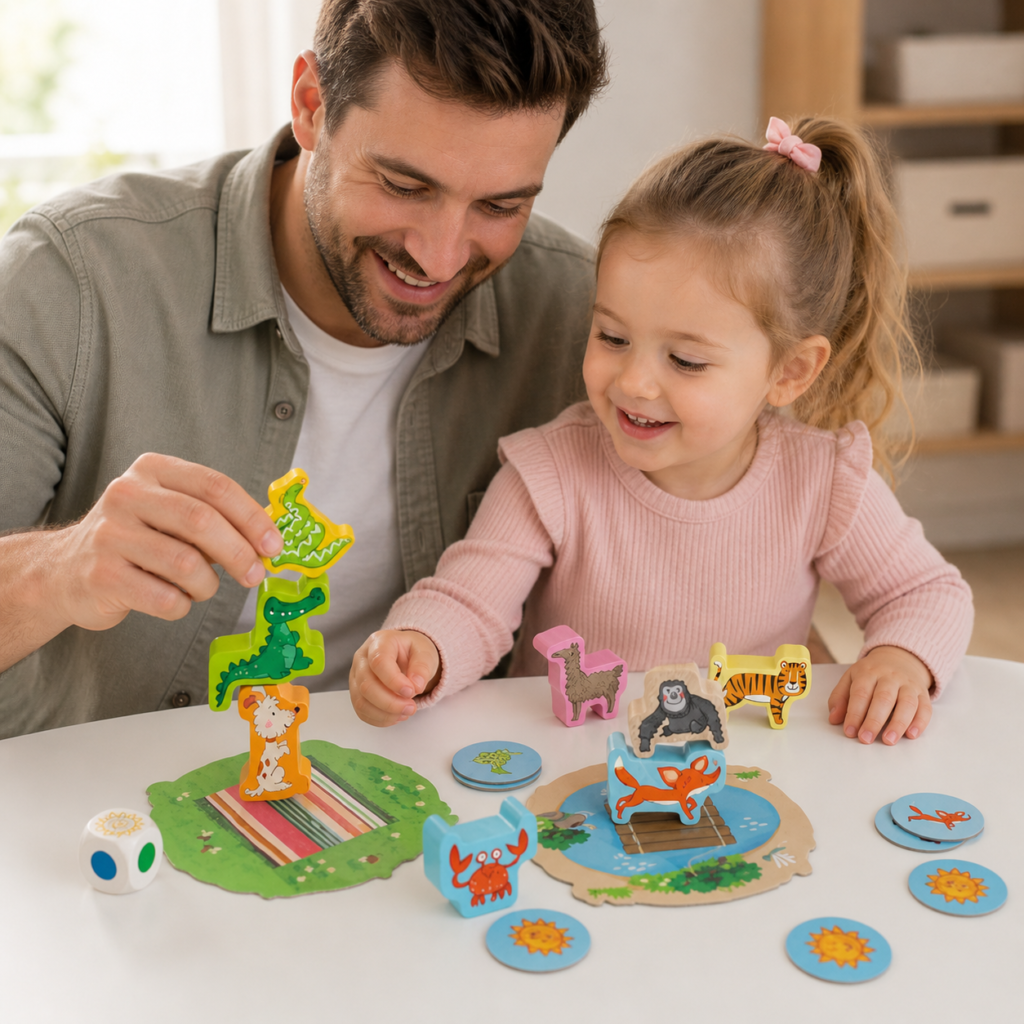
Animal Upon Animal Junior
A simple stacking and balancing game that feels much more engaging than most typical toddler games — especially because it combines movement, coordination, and unpredictability in a way that still feels genuinely Animal Upon Animal Junior is one of the few toddler games that still feels genuinely enjoyable for adults too.
The game combines stacking, balancing and a little unpredictability, which keeps the play feeling interactive and engaging without becoming too complicated for younger children.
For toddlers, it often feels more like building and experimenting than sitting down to follow strict rules, which is part of what makes it so easy to enjoy naturally from a young age.
And because the balancing element gradually becomes more challenging over time, it is also one of the rare toddler games that continues to stay interesting as children grow rather than being quickly outgrown.
Domino Rally
Domino Rally is one of those games that feels just as satisfying for adults as it does for toddlers.
At first, many younger children simply enjoy lining the pieces up, sorting colours and knocking everything down again and again. Over time, the play naturally becomes more creative, with longer runs, obstacle courses and more collaborative building together.
We liked this wooden set because it keeps the activity simple and open-ended without becoming overly noisy or overstimulating.
And because there are so many different ways to use the pieces, it often becomes the kind of game families return to regularly rather than something that only feels exciting once.

Why These Games Tend to Work Better
The games toddlers return to most are usually much simpler than people expect.
They are easy to understand, quick to start, and hands-on enough to keep young children engaged without needing long explanations or constant correction.
And because the play naturally evolves over time, many of these games continue feeling enjoyable long after the toddler stage too.
What to Do If Your Toddler Loses Interest Quickly
Short attention spans are completely normal at this age.
In many cases, toddler games work best when the focus is less on “playing properly” and more on simply enjoying the interaction together.
Keeping play sessions short, simplifying the rules and allowing toddlers to explore the game in their own way often makes the experience feel much calmer and more enjoyable for everyone involved.
Some days your child may stay engaged for twenty minutes. Other days, they may lose interest after two — and both are completely normal.
Often, the games that work best are the ones that feel flexible enough to follow your child’s pace rather than forcing too much structure too early on.
If games start feeling repetitive, rotating a small number of simple activities often helps refresh interest naturally without needing to constantly buy something new.
Here’s how we keep things simple with a Montessori toy rotation.
Final Thoughts
You don’t need to force yourself through games you don’t enjoy.
When something is engaging for both of you, it naturally lasts longer, feels easier, and becomes part of your daily rhythm.
And in most cases, the simplest games are the ones that work best.
Shopping on Amazon?
If you’re not already a Prime member, you can check whether you’re eligible for a free 30-day trial and enjoy Prime delivery on millions of eligible items.
FAQs: Educational Games for Toddlers
What are the best educational games for toddlers at home?
The best educational games for toddlers at home are simple, hands-on, and easy to repeat. Activities like matching games, stacking games, memory games, and basic board games with clear rules tend to work well.
At this age, simple games are often more effective than complex ones.
What educational games can I play with my 2 or 3 year old?
For 2–3 year olds, look for games that involve matching, stacking, rolling, or simple turn-taking.
Games like dominoes, stacking towers, memory games, and beginner board games are all good options. These support early skills while still feeling like play.
At what age can toddlers start playing simple games?
Many simple educational games for toddlers can be introduced from around 1 year old.
At this stage, play is more about exploring and repeating actions. More structured games — like board games or memory games — usually become enjoyable from around age 2 and up.
Are board games good for toddlers aged 2–3?
Yes — simple board games for toddlers can be very beneficial when adapted to their level.
Look for games with clear, repetitive actions like rolling a dice, matching pictures, or stacking pieces. These are easier for toddlers to understand and enjoy.
How long should toddlers play educational games?
Short sessions tend to work best — often around 5–10 minutes at a time.
For toddlers, the quality of engagement matters more than how long they play. Even a few focused minutes can be meaningful.
What if my toddler won’t follow the rules of a game?
This is completely normal, especially for younger toddlers.
At this age, educational games are more about exploration and interaction than following strict rules. You can simplify the game, remove rules, or let your child play in their own way.
How do I keep my toddler engaged in games longer?
Keeping games simple, short, and low-pressure helps a lot.
You can also:
- choose games with movement (stacking, placing, rolling)
- rotate games occasionally to keep them feeling new
- follow your child’s pace rather than sticking strictly to rules
Do toddlers learn anything from simple games?
Yes — even very simple educational games for toddlers support important early skills like:
- focus and attention
- coordination
- memory and recognition
- turn-taking
The learning happens naturally through play, without needing to “teach.”