
Best Montessori Toys for 2 Year Olds For Independent Play & Focus
Looking for the best Montessori toys for 2 year olds? These simple, engaging toys help toddlers play independently and stay focused longer.
The toddler years between two and three are full of personality, imagination, and growing independence. In this section you’ll find Montessori-inspired activities, toy ideas, and practical parenting tips for this important stage of development. We explore language growth, emotional development, independent play, and simple ways to encourage learning at home. Whether you’re looking for play ideas, behaviour guidance, or development support, these articles help you nurture your child’s confidence and curiosity.
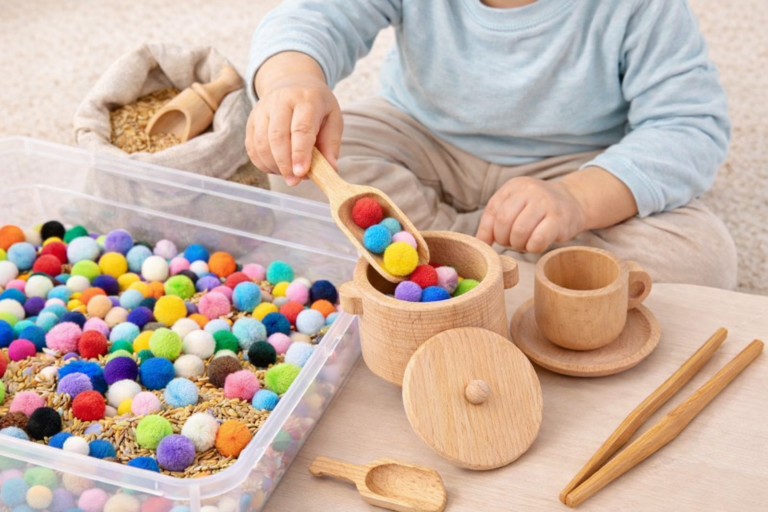
Looking for the best Montessori toys for 2 year olds? These simple, engaging toys help toddlers play independently and stay focused longer.
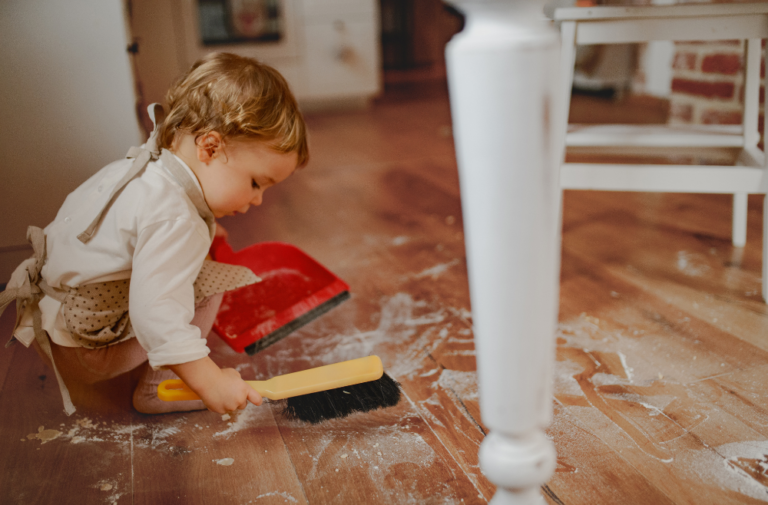
Montessori practical life begins in everyday routines. This guide shows simple ways to support cleaning, hygiene, and independence from babyhood through toddler years.
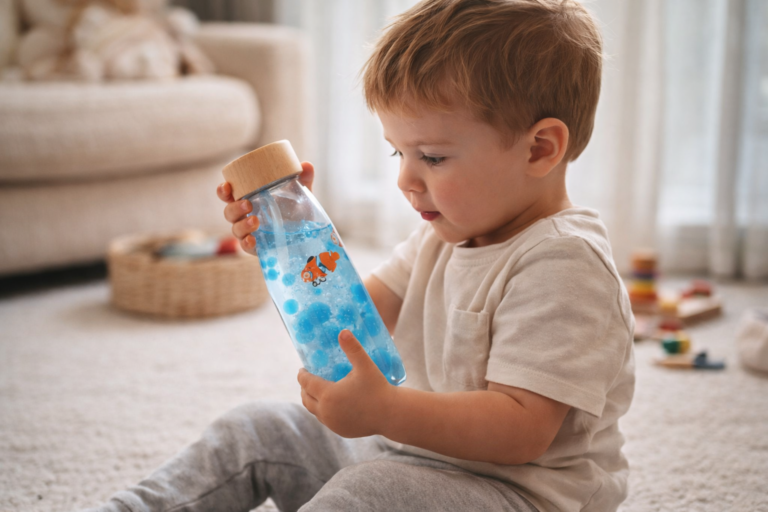
Tantrums can feel overwhelming, but small, simple tools can make a real difference. These calm-down ideas help toddlers regulate emotions and make daily life feel more manageable.
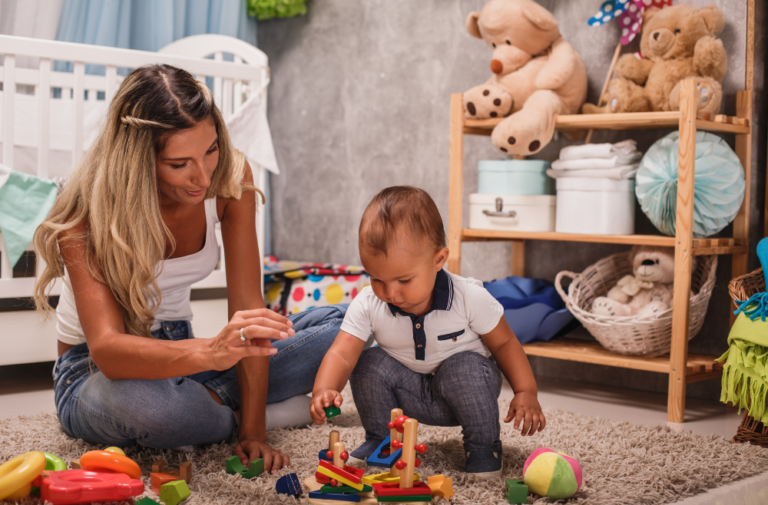
Montessori toy rotation helps toddlers stay engaged by offering fewer toys at a time. Learn how to create a simple toy rotation system that encourages independent play, focus, and calmer play spaces.
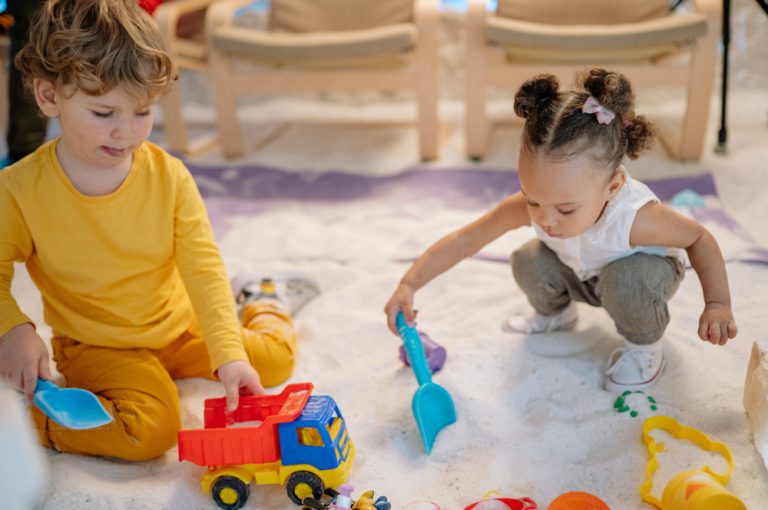
Sensory toys therapists recommend for autistic children can help reduce sensory overload, improve focus, and support emotional regulation during play.

A Montessori toddler daily routine helps children feel calm, secure, and independent. Learn how to create a simple daily rhythm that works for toddlers aged 1–3 years.
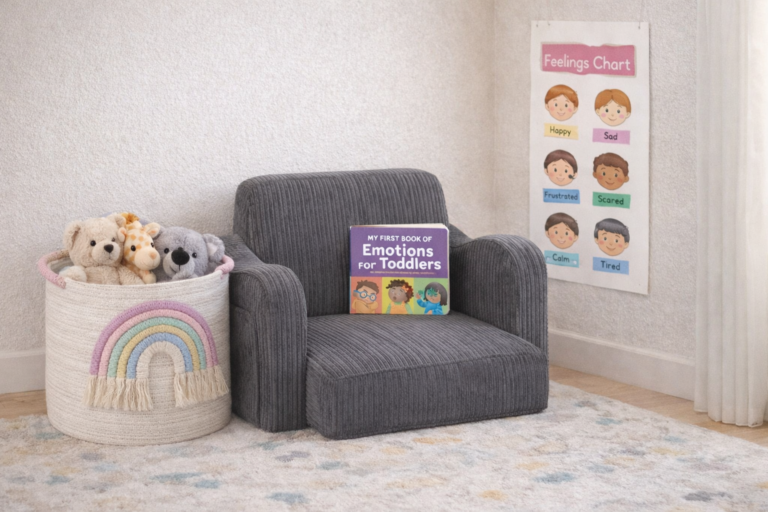
A Montessori calm corner gives toddlers a safe space to pause, regulate emotions, and reset during big feelings. Learn how to create a simple calm-down space at home with easy setup ideas and calming tools.
Raising a happy toddler doesn’t require perfection. Discover simple tips to support independence, emotional development, play, and confidence in children aged 2–3.
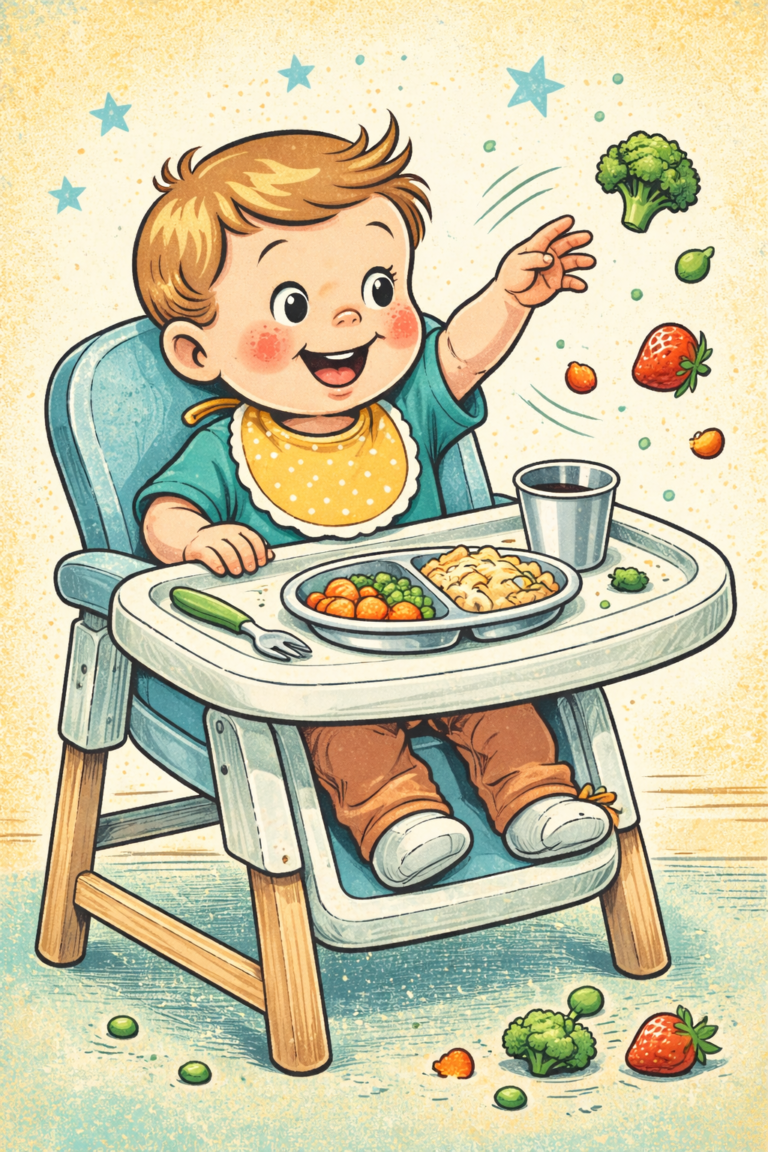
Food throwing is a common toddler behaviour. Discover why toddlers throw food during meals and what this stage means for their development.
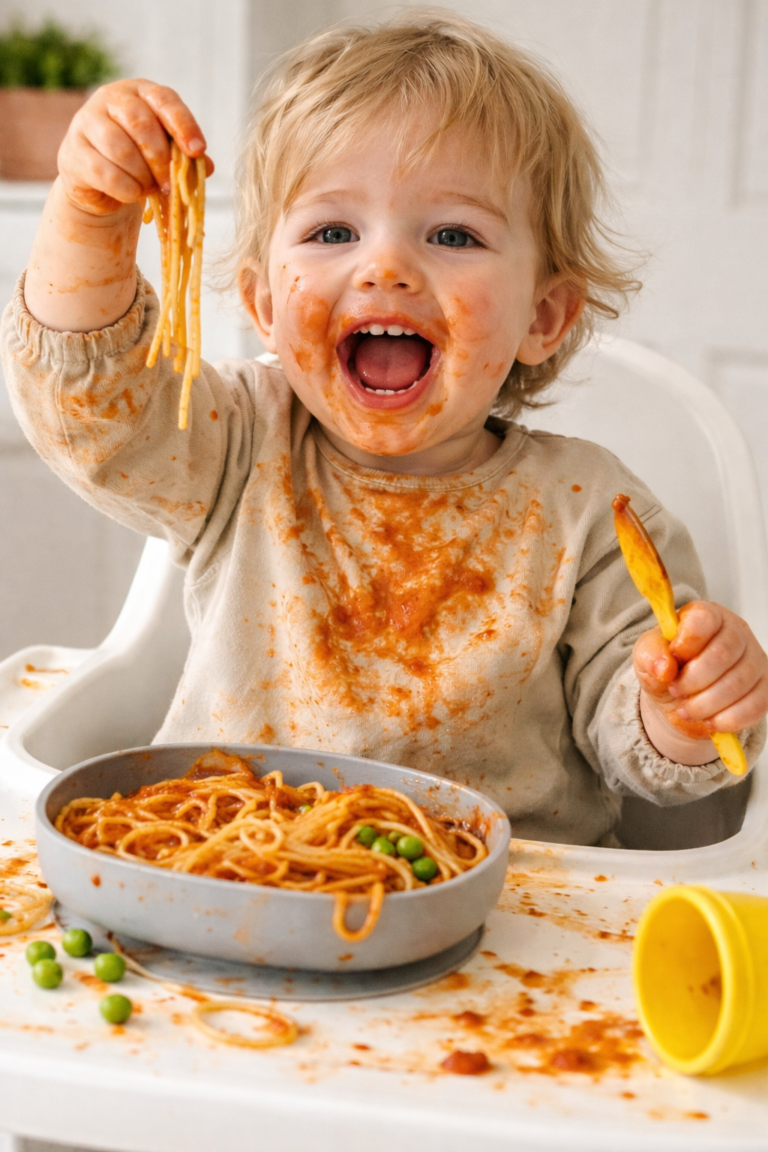
Helping your toddler learn to feed themselves? These Montessori feeding tools support independent eating for toddlers aged 18–24 months.